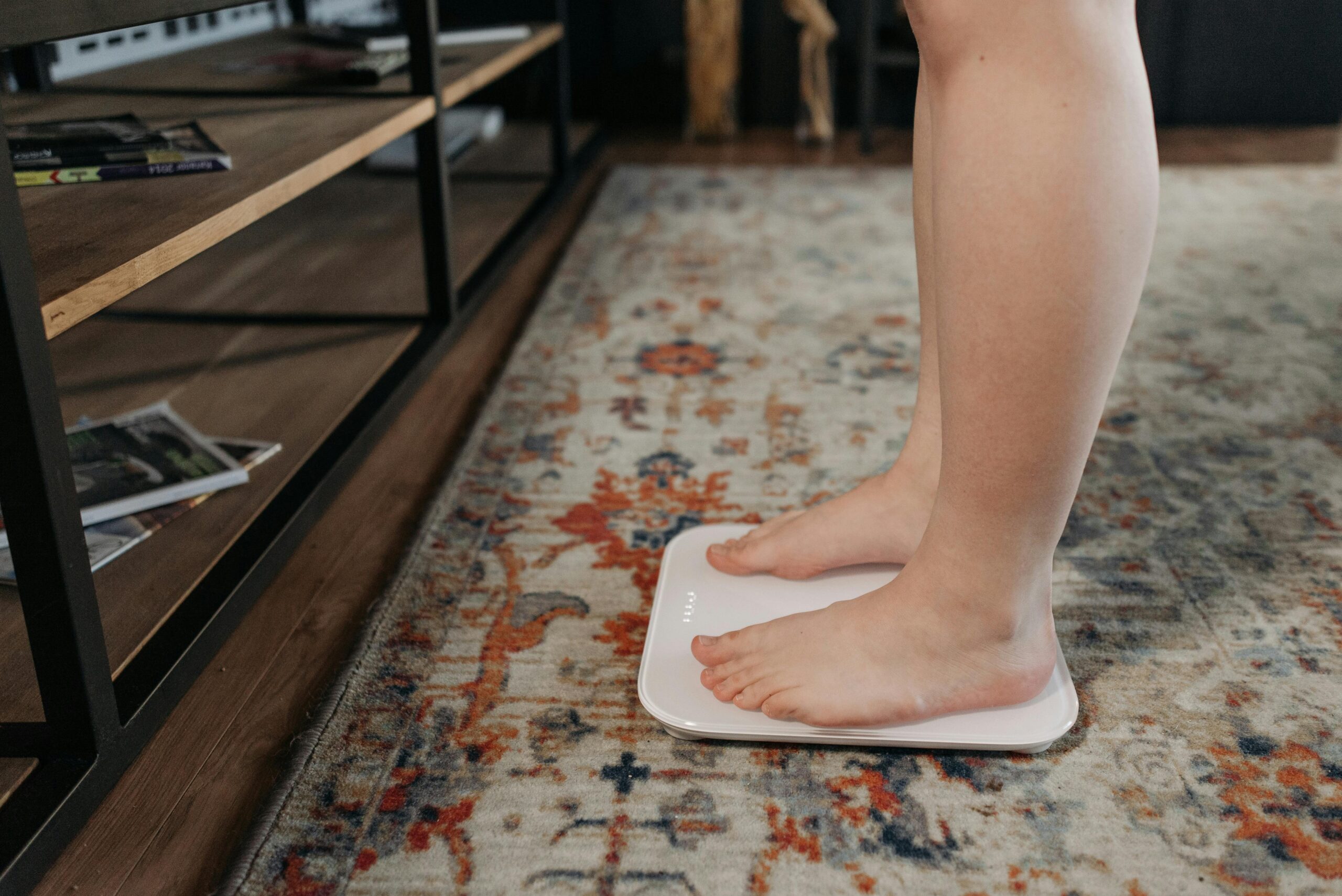
Building a sustainable physical activity habit can transform your life in ways you never imagined. It’s not about willpower alone—it’s about smart design.
Most people approach exercise with enthusiasm, only to see their motivation fade within weeks. The problem isn’t laziness or lack of discipline. It’s the absence of a well-designed system that makes physical activity inevitable, enjoyable, and integrated into daily life. Understanding the science behind habit formation and applying proven strategies can help you create a lifestyle where movement becomes as natural as brushing your teeth.
🧠 Understanding the Psychology Behind Physical Activity Habits
The human brain is wired to conserve energy, making sedentary behavior the path of least resistance. This evolutionary programming helped our ancestors survive, but in our modern environment, it works against our health. To counteract this natural tendency, we need to understand how habits form and how to leverage psychological principles to our advantage.
Habits operate through a neurological loop consisting of three components: a cue that triggers the behavior, a routine (the behavior itself), and a reward that reinforces it. When you repeat this loop consistently, neural pathways strengthen, making the behavior more automatic over time. The key to mastering physical activity habit design lies in intentionally crafting each element of this loop.
Research shows that it takes anywhere from 18 to 254 days to form a new habit, with an average of 66 days. However, this timeline varies significantly based on the complexity of the behavior and individual differences. The good news? You don’t need to wait for the habit to become fully automatic before experiencing benefits. Small wins along the way create momentum and positive reinforcement.
🎯 Setting the Foundation: Clarity and Specificity
Vague intentions like “I want to exercise more” rarely translate into consistent action. Your brain needs crystal-clear instructions. Instead of general goals, create implementation intentions—specific plans that outline when, where, and how you’ll perform the activity.
For example, rather than saying “I’ll go to the gym this week,” commit to “I’ll do a 30-minute workout at the gym on Monday, Wednesday, and Friday at 7 AM before work.” This level of specificity removes decision-making from the equation, reducing the mental energy required to take action.
Consider these elements when designing your physical activity habit:
- Time: Choose a consistent time that fits naturally into your existing routine
- Location: Identify the exact place where the activity will happen
- Duration: Start with a manageable time commitment (even 5-10 minutes counts)
- Type: Select activities you genuinely enjoy or are curious about
- Triggers: Link the new habit to existing behaviors or environmental cues
⚡ The Power of Starting Ridiculously Small
One of the biggest mistakes in habit formation is starting too big. When you set ambitious goals like running five miles daily or spending an hour at the gym, you’re setting yourself up for failure. The resistance to starting becomes enormous, and when you inevitably miss a day, discouragement follows.
Instead, embrace the concept of “minimum viable habits.” These are scaled-down versions of your desired behavior that are so easy you can’t say no. Want to develop a running habit? Start with putting on your running shoes. Desire a yoga practice? Begin with one sun salutation. Planning to lift weights? Do a single push-up.
This approach works because it eliminates the intimidation factor and builds the neural pathway for showing up. Once you’re dressed in workout clothes or you’ve completed that first push-up, continuing becomes much easier. You’re leveraging the psychological principle that starting is often the hardest part.
🔄 Habit Stacking: Integrating Movement Into Your Day
Habit stacking is a powerful technique developed by BJ Fogg and popularized by James Clear. The concept is simple: attach your new physical activity habit to an existing behavior that’s already automatic. This creates a mental trigger that prompts action without requiring willpower.
The formula is: “After [CURRENT HABIT], I will [NEW HABIT].” Here are practical examples:
- After I pour my morning coffee, I will do ten squats
- After I close my laptop for lunch, I will take a 10-minute walk
- After I brush my teeth at night, I will do a 5-minute stretching routine
- After I get home from work and put my keys down, I will change into workout clothes
The beauty of habit stacking is that it doesn’t require you to remember or schedule the new behavior separately. Your existing habit serves as the cue, making the new activity feel like a natural extension of what you’re already doing.
🏗️ Environmental Design: Making Activity Inevitable
Your environment shapes your behavior more than you realize. If you have to search for your workout clothes, drive to a gym across town, or navigate through obstacles to exercise, friction is working against you. Conversely, when you design your environment to make physical activity the path of least resistance, success becomes far more likely.
Apply these environmental design principles:
- Reduce friction for good habits: Lay out workout clothes the night before, keep a yoga mat visible in your living space, or store walking shoes by the door
- Increase friction for competing behaviors: Place the TV remote in another room, delete time-wasting apps during workout hours, or commit to watching shows only while on a stationary bike
- Use visual cues: Post motivational images, place equipment in sight, or set phone wallpapers that remind you of your fitness identity
- Optimize your space: Create a dedicated workout area at home, even if it’s just a corner with a mat and resistance bands
Technology can also reshape your environment. Fitness apps with reminder notifications, wearable activity trackers, and smart home devices can serve as cues and accountability tools that make activity more convenient.
🎉 Reward Systems That Actually Work
The brain’s reward system plays a crucial role in habit formation. When a behavior is followed by a pleasurable experience, dopamine is released, strengthening the neural connection. However, many people misunderstand how to apply rewards effectively in the context of physical activity habits.
The most sustainable approach is to find inherent rewards in the activity itself—the endorphin rush after a run, the sense of accomplishment after completing a workout, or the improved sleep that follows movement. These immediate, intrinsic rewards create more durable habits than external rewards like buying yourself something after exercising.
That said, you can strategically use external rewards during the habit formation phase:
- Track your progress visually with a habit tracker or calendar (the satisfaction of marking completion is surprisingly powerful)
- Pair the activity with something you enjoy, like listening to a favorite podcast only during workouts
- Celebrate small wins with positive self-talk and acknowledgment
- Join a community or find an accountability partner where social recognition serves as a reward
Avoid rewards that contradict your goals, like eating unhealthy food after exercising. This creates cognitive dissonance and can undermine your long-term success.
💪 Building Identity-Based Habits for Lasting Change
The most profound shift in habit design thinking comes from focusing on identity rather than outcomes. Instead of saying “I want to lose weight” or “I want to run a marathon,” start thinking “I am the type of person who moves daily” or “I am an athlete in training.”
This identity-based approach works because every action you take is a vote for the type of person you wish to become. When you do ten push-ups, you’re casting a vote for being a fit person. When you take the stairs instead of the elevator, you’re reinforcing your identity as someone who prioritizes movement.
Over time, these votes accumulate, and your self-image begins to shift. Once you truly believe you’re an active person, maintaining physical activity habits becomes significantly easier because the behavior aligns with your sense of self. You’re no longer forcing yourself to exercise—you’re simply acting in accordance with who you are.
To leverage this principle, ask yourself: “What would a healthy, active person do in this situation?” Then do that thing, even if it’s small. Each aligned action strengthens your new identity.
📊 Tracking Progress Without Obsession
Measurement provides feedback, and feedback drives improvement. However, there’s a delicate balance between helpful tracking and counterproductive obsession. The goal is to gather enough data to maintain awareness and motivation without becoming enslaved to numbers.
Consider tracking these metrics:
| Metric | Why It Matters | How to Track |
|---|---|---|
| Consistency | Habit formation depends on repetition | Simple calendar check marks or habit tracking apps |
| Energy levels | Indicates if your activity level is sustainable | Daily journal notes or 1-10 scale ratings |
| Mood and mental state | Reinforces the psychological benefits of movement | Before and after activity mood checks |
| Physical capability | Shows tangible progress and adaptation | Periodic assessments of strength, endurance, or flexibility |
The most important number is often the simplest: days in a row you’ve performed the habit. This streak metric leverages loss aversion—once you’ve built a streak, you’ll be motivated to maintain it. Just remember that perfection isn’t required; if you miss a day, simply resume the next day without guilt or self-criticism.
🛡️ Preparing for Obstacles and Building Resilience
No habit formation journey is without challenges. Travel, illness, schedule changes, motivation dips, and unexpected life events will test your commitment. The difference between people who succeed long-term and those who abandon their habits lies in preparation and response to these inevitable obstacles.
Implement these resilience strategies:
- Create if-then plans: “If I’m traveling, then I’ll do a 10-minute hotel room workout” or “If I’m sick, then I’ll do gentle stretching instead of intense exercise”
- Establish minimum viable versions: When circumstances prevent your full routine, have scaled-down alternatives that maintain the habit without overwhelming you
- Reframe setbacks: View missed days as data points for learning rather than failures. Ask “What got in the way?” and “How can I prevent this next time?”
- Build buffer habits: Have multiple movement habits throughout the day so that missing one doesn’t derail your entire active lifestyle
- Practice self-compassion: Research shows that self-criticism after lapses predicts giving up, while self-compassion predicts getting back on track
Remember that building physical activity habits is not about perfect adherence—it’s about developing the ability to return to your practice after disruptions. This resilience is the true mark of a sustainable habit.
🌟 Variety and Progression: Keeping the Habit Alive
While consistency is crucial for habit formation, monotony can lead to boredom and burnout. The solution is strategic variety within a consistent framework. Maintain the timing and structure of your physical activity habit while varying the specific activities or intensities.
For example, you might commit to 30 minutes of movement every morning at 6 AM, but rotate between running, yoga, strength training, swimming, or cycling throughout the week. This approach preserves the habit trigger and routine while keeping things fresh and engaging.
Additionally, progressive overload—gradually increasing the challenge as you adapt—prevents plateaus and maintains interest. This doesn’t necessarily mean doing more; it could mean doing better, learning new skills, or exploring different movement modalities.
Listen to your body and adjust accordingly. Some days call for intense effort, while others require gentle movement. The flexibility to adapt while maintaining the core habit is a sign of maturity in your practice.
🤝 Social Support and Community Connection
Humans are social creatures, and our behaviors are heavily influenced by those around us. Leveraging social support can dramatically increase your success in establishing physical activity habits. When movement becomes a shared experience rather than a solitary obligation, adherence improves significantly.
Ways to incorporate social elements:
- Find a workout buddy who shares similar goals and schedules
- Join group fitness classes or recreational sports teams
- Participate in online communities focused on your chosen activity
- Share your progress with supportive friends or family members
- Work with a coach or personal trainer for professional guidance and accountability
The key is finding the right balance of social involvement that motivates rather than overwhelms you. For some, exercising with others is energizing; for others, solitary practice is preferable with occasional social check-ins. Honor your preferences while recognizing the power of connection.
🚀 Transforming Habit Into Lifestyle
The ultimate goal of physical activity habit design is not simply to exercise regularly—it’s to cultivate an active lifestyle where movement is woven throughout your day. This means looking beyond scheduled workout sessions to increase incidental activity and reduce sedentary time.
Small changes compound into significant results: taking stairs instead of elevators, walking during phone calls, standing while working periodically, playing actively with children or pets, parking farther away, or choosing active transportation when possible.
As your physical activity habit becomes established, you’ll likely notice a positive ripple effect into other areas of life. Better sleep, improved nutrition choices, enhanced mental clarity, increased confidence, and greater stress resilience often follow. These secondary benefits reinforce the habit and create an upward spiral of health and well-being.
The person you become through consistent physical activity is fundamentally transformed—not just physically, but mentally and emotionally. You develop discipline, resilience, body awareness, and self-efficacy that extend far beyond fitness. This is the true power of mastering physical activity habit design.
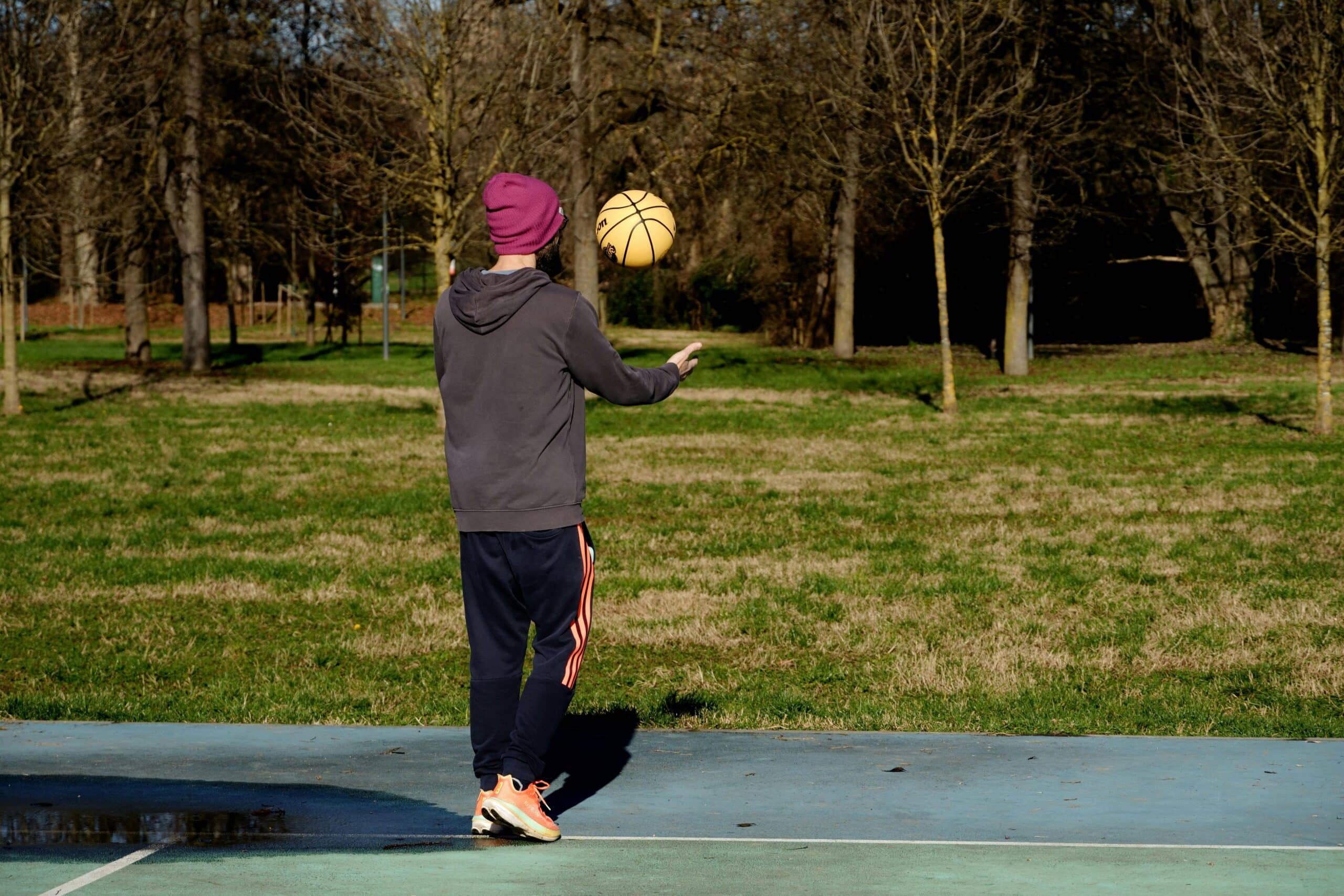
✨ Your Journey Begins With a Single Step
Creating a sustainable physical activity habit is one of the most valuable investments you can make in yourself. It requires intention, strategy, and patience, but the rewards—enhanced health, increased energy, improved mood, and greater longevity—are immeasurable.
Start where you are, use what you have, and do what you can. Remember that perfection is not the goal; progress is. Each day you show up for yourself, regardless of how small the action, you’re building the foundation for a healthier, happier, and more active life.
The science of habit formation provides the roadmap, but you must take the journey. Design your environment, start small, stack habits strategically, focus on identity, track meaningfully, prepare for obstacles, and lean on community support. Most importantly, be patient and compassionate with yourself throughout the process.
Your future self—stronger, more energized, and thriving—is waiting on the other side of consistent action. The best time to start was yesterday. The second best time is right now. What will your first small step be? 🌱

Toni Santos is a visual storyteller and sartorial artisan whose work revives the forgotten threads of historical fashion. With a deep fascination for garments lost to time, Toni weaves together art, memory, and material culture to illuminate the styles, symbols, and silent codes once stitched into humanity’s past.
His creative journey is rooted in a passion for clothing as narrative — from ceremonial robes of vanished empires to the subtle embroidery of medieval outcasts, from whispered meanings in Victorian accessories to the ritual adornments of ancient rites. Each piece Toni brings to life is more than aesthetic; it’s an echo of identity, power, belief, and transformation across centuries.
With a background in visual design and handcrafted techniques, Toni blends historical research with creative interpretation. His work reimagines the overlooked: the feathered cloaks, perfumed gloves, symbolic fastenings, and forbidden textiles that once defined entire cultures — now reborn as visual artifacts that speak across time.
As the visionary behind Vizovex, Toni shares stories, artworks, and curated collections that reconnect audiences with the deeper meaning of what we wear — and what clothing reveals when it is finally seen not just as fashion, but as forgotten language.
His work is a tribute to:
The poetry of garments lost in history’s folds
The cultural codes woven into ancient textiles
The beauty of attire as identity, memory, and myth
Whether you’re a fashion historian, a designer seeking timeless inspiration, or simply drawn to the mystery of what people once wore and why, Toni invites you to explore a world where forgotten fashions are revived — one stitch, one silhouette, one story at a time.