In our fast-paced modern world, stress has become an unwelcome companion for millions. Meditation offers a transformative path to reclaim your calm and discover lasting inner peace.
The constant demands of work, relationships, technology, and daily responsibilities create a perfect storm of anxiety and mental exhaustion. Our minds rarely get a moment of true rest, jumping from one worry to the next, replaying past conversations, or projecting fears about the future. This relentless mental chatter drains our energy, clouds our judgment, and distances us from the peaceful center that exists within each of us.
Meditation isn’t about emptying your mind or achieving some mystical state reserved for spiritual masters. It’s a practical, accessible tool that anyone can use to cultivate calm, reduce stress, and reconnect with their authentic self. Through consistent practice, you’ll develop the ability to observe your thoughts without being controlled by them, respond to challenges with clarity rather than reactivity, and tap into a reservoir of peace that exists beneath the surface turbulence of daily life.
🧘 Understanding Why Meditation Transforms Your Stress Response
When you experience stress, your body activates the sympathetic nervous system, triggering the famous “fight or flight” response. Your heart races, muscles tense, breathing becomes shallow, and stress hormones like cortisol flood your system. While this response served our ancestors well when facing physical threats, modern stressors rarely require such intense physiological reactions.
Meditation activates the parasympathetic nervous system, your body’s natural relaxation response. This shift creates measurable changes in your brain and body, reducing cortisol levels, lowering blood pressure, decreasing inflammation, and promoting the release of feel-good neurotransmitters like serotonin and dopamine. Brain imaging studies show that regular meditation actually changes the structure of your brain, increasing gray matter in areas associated with emotional regulation, self-awareness, and compassion.
The beauty of meditation lies in its cumulative effects. Each session trains your nervous system to return to baseline more quickly after stress, building resilience that extends far beyond your meditation cushion. You’re essentially rewiring your brain’s default settings, creating new neural pathways that favor calm over chaos.
✨ Breath Awareness: Your Foundation for Inner Stillness
Your breath serves as an anchor to the present moment and a powerful tool for nervous system regulation. Breath awareness meditation is one of the most accessible and effective techniques for beginners and experienced practitioners alike.
To practice breath awareness, find a comfortable seated position with your spine naturally upright. Close your eyes or soften your gaze downward. Begin by simply noticing your natural breathing pattern without trying to change it. Feel the sensation of air entering your nostrils, the rise and fall of your chest or belly, and the slight pause between breaths.
Your mind will wander—this is completely normal and expected. When you notice thoughts arising, gently acknowledge them without judgment and return your attention to your breath. Think of your breath as a home base; no matter how far your mind travels, you can always come back to this anchor.
As you develop consistency with this practice, you can explore specific breathing patterns that enhance relaxation. The 4-7-8 technique involves inhaling for four counts, holding for seven, and exhaling for eight. This extended exhale activates your vagus nerve, signaling safety to your nervous system. Box breathing—inhaling for four, holding for four, exhaling for four, and holding for four—creates a rhythmic pattern that calms an anxious mind.
🌊 Body Scan Meditation: Releasing Tension You Didn’t Know You Held
Most of us carry chronic tension in our bodies without conscious awareness. Tight shoulders, clenched jaws, and contracted stomachs become our default state, contributing to physical discomfort and mental stress. Body scan meditation systematically brings awareness to different parts of your body, allowing accumulated tension to release.
Lie down in a comfortable position or sit with good support. Begin by taking three deep breaths, then bring your attention to the top of your head. Notice any sensations—tingling, warmth, pressure, or perhaps nothing at all. Slowly move your awareness down through your face, noticing your forehead, eyes, cheeks, and jaw.
Continue this journey of awareness through your neck, shoulders, arms, hands, chest, abdomen, hips, legs, and feet. Spend 30 seconds to a minute with each area. When you encounter tension, breathe into that space with curiosity rather than trying to force it away. Often, simply bringing conscious awareness to tight areas allows them to naturally soften.
This practice not only releases physical tension but also strengthens the mind-body connection, helping you recognize stress signals earlier before they escalate into chronic problems. Many practitioners report that body scan meditation significantly improves sleep quality when practiced before bed.
🎯 Mindfulness Meditation: Finding Peace in the Present Moment
Much of our stress comes from dwelling on past regrets or worrying about future uncertainties. Mindfulness meditation trains you to anchor your awareness in the only moment that truly exists—right now. This present-moment awareness doesn’t mean ignoring responsibilities or failing to plan; rather, it means not allowing your mind to be hijacked by nonproductive worry.
Begin with a simple mindfulness practice by choosing one of your senses as a focus point. You might listen to ambient sounds without labeling or judging them, simply allowing them to arise and pass. Notice the quality of sounds—their volume, tone, duration, and the silence between them.
Alternatively, practice mindful observation by softly gazing at a natural object like a plant, flower, or the sky. Notice colors, textures, movements, and subtle details you normally overlook. When thoughts arise pulling you into planning or remembering, acknowledge them and gently return to sensory experience.
Mindfulness extends beyond formal meditation sessions into everyday activities. Washing dishes, walking, eating, or even waiting in line become opportunities to practice presence. This informal mindfulness gradually transforms your relationship with stress, creating space between stimulus and response where conscious choice can emerge.
💭 Loving-Kindness Meditation: Cultivating Compassion as an Antidote to Stress
Stress often intensifies when accompanied by self-criticism, resentment toward others, or a general sense of disconnection. Loving-kindness meditation, also called Metta meditation, systematically generates feelings of warmth, care, and goodwill toward yourself and others.
Begin by settling into a comfortable position and taking several grounding breaths. Bring to mind someone who naturally evokes feelings of love and appreciation—perhaps a child, beloved pet, or mentor. Notice the quality of warmth that arises when thinking of this being.
Now direct these wishes toward yourself, silently repeating phrases like: “May I be safe. May I be healthy. May I be peaceful. May I live with ease.” Let these words resonate in your heart rather than just your mind. If self-directed kindness feels challenging, know this is common and part of the practice’s transformative power.
Gradually expand the circle of kindness to include a good friend, a neutral person, someone you find difficult, and eventually all beings everywhere. This practice doesn’t mean condoning harmful behavior; rather, it recognizes that everyone suffers and everyone seeks happiness.
Research shows that regular loving-kindness practice reduces symptoms of depression and anxiety, increases positive emotions, improves social connections, and even reduces inflammation markers in the body. By softening the harsh inner critic and cultivating connection rather than isolation, you remove significant sources of psychological stress.
🌟 Visualization Meditation: Creating Your Inner Sanctuary
Your mind doesn’t distinguish sharply between vividly imagined experiences and real ones. Visualization meditation harnesses this quality to create profound relaxation and access inner resources for coping with stress.
After settling into a relaxed state through breath awareness, imagine a place where you feel completely safe, peaceful, and at ease. This might be a real location you’ve visited or a completely imaginary sanctuary. Engage all your senses in creating this inner refuge.
What do you see? Notice colors, lighting, and visual details. What sounds are present—waves, birds, rustling leaves, or perhaps silence? Feel the temperature on your skin, textures beneath your hands or feet. Are there pleasant scents? The more sensory detail you include, the more immersive and effective the practice becomes.
Spend several minutes fully inhabiting this peaceful space, allowing your nervous system to absorb the felt sense of safety and calm. Know that you can return to this sanctuary anytime stress arises, creating a mental refuge that’s always accessible.
Visualization can also prepare you for challenging situations. Athletes use mental rehearsal to enhance performance; you can use it to navigate stressful scenarios with greater ease. Imagine yourself handling a difficult conversation or event with calm, clarity, and confidence, creating neural pathways that support this response when the real situation arises.
⏰ Creating a Sustainable Meditation Practice That Fits Your Life
The most powerful meditation technique is the one you’ll actually practice consistently. Rather than aiming for lengthy sessions that feel overwhelming, start with just five minutes daily. This modest commitment builds the habit while demonstrating tangible benefits that naturally inspire you to continue.
Choose a consistent time and place for your practice. Morning meditation sets a calm tone for your entire day, while evening practice helps discharge accumulated stress before sleep. Some people benefit from a brief midday session to reset and refocus. Experiment to discover what works best for your schedule and temperament.
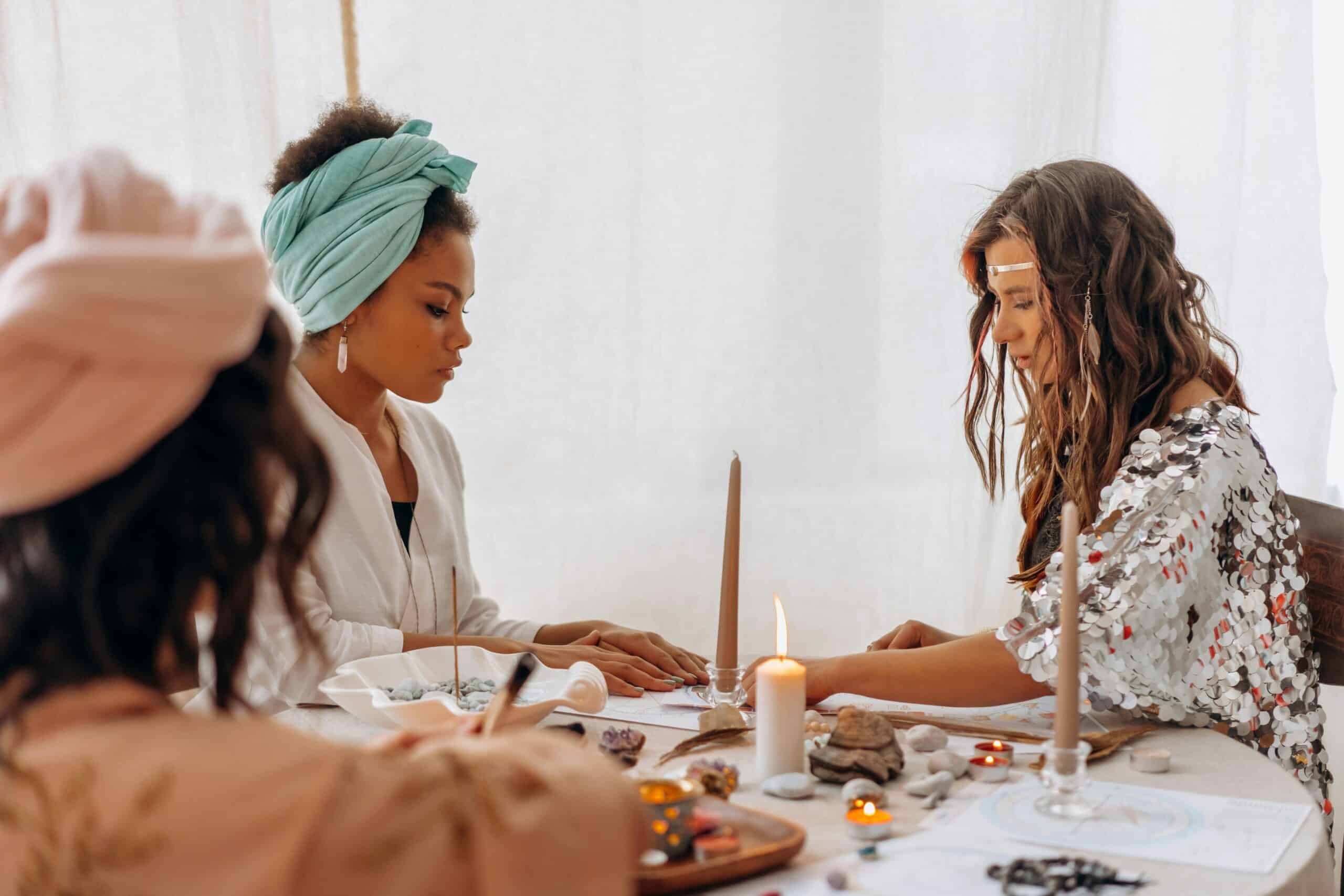
Create a dedicated space that signals to your brain “this is meditation time.” This doesn’t require an elaborate setup—a specific chair, cushion, or corner of a room works perfectly. Small rituals like lighting a candle, playing gentle music, or taking three intentional breaths before beginning help transition your mind into practice mode.
Track your practice without judgment. A simple calendar checkmark for each session you complete provides motivation and reveals patterns. Notice how you feel on days you meditate versus days you skip, gathering personal evidence of meditation’s benefits.
🚀 Overcoming Common Obstacles on Your Meditation Journey
Nearly everyone encounters challenges when establishing a meditation practice. Understanding common obstacles and effective responses helps you navigate them skillfully rather than abandoning your practice.
The restless mind represents the most frequent complaint. Remember that meditation isn’t about stopping thoughts—that’s impossible and not the goal. Instead, you’re training the ability to notice thoughts without being swept away by them. Each time you recognize your mind has wandered and gently return to your focus point, you’re successfully meditating, regardless of how many times this happens.
Physical discomfort often arises, especially when sitting still. Adjust your position freely; there’s no medal for suffering through pain. Use cushions, chairs, or even lie down if needed. The quality of your attention matters more than maintaining a picture-perfect posture.
Sleepiness during meditation might indicate you need more rest, but it can also result from your body finally relaxing after chronic tension. If drowsiness persists, try meditating with eyes open, practicing earlier in the day, or choosing more active techniques like walking meditation.
The “I don’t have time” obstacle reveals not a time shortage but a priority question. We find time for what truly matters. Even three minutes of conscious breathing while your coffee brews counts as meditation. Waiting rooms, commutes, and transitions between activities offer perfect micro-practice opportunities.
🌈 Integrating Meditation Wisdom Into Daily Life
The ultimate purpose of meditation extends beyond the formal practice into transformed daily living. As you develop greater awareness, calm, and presence during meditation, these qualities naturally infuse your responses to life’s challenges.
Practice the sacred pause—that brief moment between stimulus and response where freedom lives. When someone says something triggering, when you receive stressful news, or when frustration arises, take three conscious breaths before reacting. This tiny gap prevents unconscious reactivity and allows wiser responses to emerge.
Notice your self-talk with the same nonjudgmental awareness you bring to meditation. When the inner critic attacks, recognize it as just another thought passing through consciousness rather than ultimate truth. Respond to yourself with the kindness you’ve cultivated through loving-kindness practice.
Bring single-tasking awareness to routine activities. When eating, simply eat, noticing flavors, textures, and sensations rather than scrolling through your phone. When someone speaks, truly listen instead of planning your response. This mindful approach to ordinary moments reduces stress and enriches life’s simple pleasures.
🔥 Advanced Practices for Deepening Your Inner Peace
As your foundational practice stabilizes, you might explore techniques that deepen your experience of calm and expand your capacity for presence.
Open awareness meditation releases attachment to any specific focus object, instead resting in spacious awareness that notices whatever arises—thoughts, sensations, emotions, sounds—without grasping or pushing away. This practice cultivates profound equanimity and reveals the vast, peaceful awareness that underlies all experience.
Walking meditation transforms movement into meditative practice. Walk slowly and deliberately, feeling each component of each step—the lift, movement through space, and placement of your foot. This practice grounds awareness in your body and works beautifully for people who find sitting meditation challenging.
Silent retreats, ranging from a single day to several weeks, accelerate progress by removing external distractions and allowing deep immersion in practice. The intensive format helps you encounter and work through resistances that might take years to surface in daily practice.
💪 Scientific Evidence Supporting Meditation for Stress Relief
Thousands of research studies validate meditation’s effectiveness for stress reduction and mental wellbeing. Harvard researchers found that eight weeks of mindfulness meditation actually changes brain structure, increasing cortical thickness in areas governing attention and emotional regulation while decreasing the size of the amygdala, the brain’s fear center.
A study published in JAMA Internal Medicine reviewed 47 clinical trials involving over 3,500 participants and found that meditation programs showed moderate evidence of improving anxiety, depression, and pain. Another study demonstrated that meditation can be as effective as antidepressant medication for preventing depression relapse.
The physiological benefits extend throughout your body. Regular meditation lowers blood pressure, reduces chronic pain, improves immune function, and slows cellular aging by protecting telomeres—the protective caps on chromosomes that shorten with stress and age.
Perhaps most remarkably, meditation doesn’t just provide temporary relief; it creates lasting changes in how your brain and body respond to stress, building genuine resilience rather than merely masking symptoms.
🎁 Your Invitation to Inner Peace Starts Now
The journey to mastering calm through meditation doesn’t require perfect conditions, extensive time commitments, or special abilities. It simply asks that you begin, continue, and trust the process even when progress feels invisible.
Your stressed, anxious mind isn’t broken or defective—it’s responding naturally to challenging circumstances. Meditation doesn’t fix you because nothing about you needs fixing. Instead, it reveals the peaceful center that stress and mental noise have temporarily obscured, helping you remember your essential nature beneath accumulated tension and worry.
Each moment offers a fresh opportunity to return to presence, to choose awareness over automaticity, to respond from calm rather than react from chaos. The meditation techniques shared here provide multiple pathways to inner peace, inviting you to explore and discover which resonates most deeply with your unique temperament and circumstances.
Start today with five conscious breaths. Tomorrow, perhaps you’ll sit for five minutes. Next week, you might explore a body scan or loving-kindness practice. There’s no race, no competition, no destination to reach. The practice itself is the path, and each step you take melts away stress while bringing you home to the peace that lives within.
Your transformation awaits not in some distant future when conditions are perfect, but in this very moment when you choose to pause, breathe, and meet yourself with awareness and kindness. Welcome to your meditation journey—may it bring you the calm, clarity, and inner peace you seek. 🙏

Toni Santos is a visual storyteller and sartorial artisan whose work revives the forgotten threads of historical fashion. With a deep fascination for garments lost to time, Toni weaves together art, memory, and material culture to illuminate the styles, symbols, and silent codes once stitched into humanity’s past.
His creative journey is rooted in a passion for clothing as narrative — from ceremonial robes of vanished empires to the subtle embroidery of medieval outcasts, from whispered meanings in Victorian accessories to the ritual adornments of ancient rites. Each piece Toni brings to life is more than aesthetic; it’s an echo of identity, power, belief, and transformation across centuries.
With a background in visual design and handcrafted techniques, Toni blends historical research with creative interpretation. His work reimagines the overlooked: the feathered cloaks, perfumed gloves, symbolic fastenings, and forbidden textiles that once defined entire cultures — now reborn as visual artifacts that speak across time.
As the visionary behind Vizovex, Toni shares stories, artworks, and curated collections that reconnect audiences with the deeper meaning of what we wear — and what clothing reveals when it is finally seen not just as fashion, but as forgotten language.
His work is a tribute to:
The poetry of garments lost in history’s folds
The cultural codes woven into ancient textiles
The beauty of attire as identity, memory, and myth
Whether you’re a fashion historian, a designer seeking timeless inspiration, or simply drawn to the mystery of what people once wore and why, Toni invites you to explore a world where forgotten fashions are revived — one stitch, one silhouette, one story at a time.