In a world filled with constant noise and endless distractions, finding inner peace has become more essential than ever for maintaining mental clarity and emotional well-being.
Modern life bombards us with notifications, deadlines, and responsibilities that pull our attention in countless directions. This perpetual state of busyness often leaves us feeling disconnected from ourselves, anxious about the future, and unable to fully experience the present moment. The ancient practice of meditation offers a powerful antidote to this modern malaise, providing a pathway to lasting calm, emotional balance, and profound self-discovery.
Meditation isn’t just about sitting cross-legged in silence—it’s a transformative practice that rewires your brain, reduces stress hormones, and creates lasting changes in how you respond to life’s challenges. Scientific research has consistently shown that regular meditative practices can decrease anxiety, improve focus, enhance emotional regulation, and even strengthen your immune system. Whether you’re a stressed professional, a busy parent, or simply someone seeking greater peace, meditation offers accessible tools for transformation.
🧘 Understanding the Foundation of Meditative Practice
Meditation encompasses a wide range of techniques designed to train attention and awareness, ultimately bringing mental processes under voluntary control. At its core, meditation involves cultivating a particular quality of attention—one that is focused, present, and non-judgmental. This practice has roots in ancient spiritual traditions spanning Buddhism, Hinduism, Taoism, and many other philosophical systems, yet it has evolved into secular forms that anyone can embrace regardless of religious background.
The fundamental principle underlying all meditative practices is mindfulness—the ability to observe your thoughts, emotions, and sensations without becoming entangled in them. Rather than suppressing thoughts or forcing your mind into stillness, meditation teaches you to develop a different relationship with your mental activity. You learn to witness your inner experience with curiosity and compassion rather than judgment or resistance.
This shift in perspective creates profound changes in how you experience daily life. When you’re no longer controlled by reactive patterns and automatic responses, you gain the freedom to choose how you respond to challenges. This spaciousness between stimulus and response is where true inner peace resides—not in the absence of difficulties, but in your capacity to remain centered regardless of external circumstances.
The Science Behind Meditation and Inner Transformation
Neuroscience has revealed remarkable insights into how meditation physically changes the brain. Regular practice increases gray matter density in regions associated with learning, memory, emotional regulation, and perspective-taking. Simultaneously, it decreases activity in the amygdala—the brain’s fear center—resulting in reduced anxiety and stress reactivity.
Studies using functional MRI scans have demonstrated that experienced meditators show increased activation in areas linked to attention and sensory processing while showing decreased activation in the default mode network—the brain circuitry responsible for mind-wandering and self-referential thinking. This explains why meditation practitioners often report feeling less caught up in repetitive thought patterns and worries about past or future.
The physiological benefits extend beyond the brain. Meditation activates the parasympathetic nervous system, triggering the body’s relaxation response. This counteracts the chronic stress response that plagues modern life, lowering cortisol levels, reducing blood pressure, and improving heart rate variability. These biological changes translate into tangible improvements in sleep quality, immune function, and overall physical health.
🌟 Essential Meditative Practices for Beginners
Starting a meditation practice doesn’t require special equipment, expensive courses, or hours of free time. The beauty of meditation lies in its simplicity and accessibility. Here are foundational practices that can help you establish a sustainable routine:
Breath Awareness Meditation
The most fundamental meditation technique involves simply observing your natural breathing. Find a comfortable seated position, close your eyes, and direct your attention to the physical sensations of breathing—the rise and fall of your chest, the air moving through your nostrils, or the expansion of your belly. When your mind wanders (and it will), gently redirect your focus back to the breath without self-criticism.
This practice cultivates concentration while simultaneously developing the metacognitive skill of noticing when your attention has drifted. Start with just five minutes daily and gradually increase duration as the practice becomes more comfortable. Consistency matters more than length—a daily five-minute practice yields better results than an occasional hour-long session.
Body Scan Meditation
This technique involves systematically directing attention through different parts of your body, observing sensations without trying to change them. Begin at your toes and slowly move upward through your legs, torso, arms, and head. This practice develops interoceptive awareness—the ability to sense internal bodily states—which is crucial for emotional regulation and stress management.
Body scan meditation is particularly effective for releasing physical tension and identifying how emotions manifest as bodily sensations. Many people discover they hold stress in specific areas—tight shoulders, clenched jaw, or shallow breathing—and the practice helps release these patterns of chronic tension.
Loving-Kindness Meditation
This heart-centered practice involves cultivating feelings of goodwill toward yourself and others. Begin by silently repeating phrases like “May I be happy, may I be healthy, may I be safe, may I live with ease.” After establishing these feelings toward yourself, extend them outward to loved ones, neutral people, difficult individuals, and eventually all beings.
Research shows that loving-kindness meditation significantly increases positive emotions, social connection, and overall life satisfaction while reducing self-criticism and negative thinking. This practice counteracts the tendency toward harsh self-judgment and cultivates the compassion necessary for genuine inner peace.
Creating Your Personal Meditation Sanctuary 🏡
While meditation can be practiced anywhere, designating a specific space for your practice enhances commitment and deepens the experience. Your meditation space doesn’t need to be elaborate—even a corner of a room with a comfortable cushion or chair can serve as your sanctuary. The key is consistency; returning to the same location creates psychological associations that help you transition more easily into a meditative state.
Consider these elements when creating your meditation space:
- Minimal distractions: Choose a quiet area where you’re unlikely to be interrupted
- Comfortable seating: Use cushions, benches, or chairs that support an alert yet relaxed posture
- Pleasant ambiance: Soft lighting, plants, or meaningful objects can enhance the atmosphere
- Temperature control: Ensure the space is neither too hot nor too cold
- Technology boundaries: Keep phones and other devices away or in airplane mode
The physical environment influences your mental state more than you might realize. A dedicated space signals to your mind that it’s time to shift gears from doing mode to being mode. Over time, simply entering this space will trigger a relaxation response, making it easier to settle into meditation.
Overcoming Common Meditation Obstacles
Nearly everyone encounters challenges when beginning a meditation practice. Understanding these obstacles and developing strategies to address them is crucial for long-term success. The most common difficulty is the perception that you’re “doing it wrong” when your mind wanders constantly. This misconception causes many beginners to abandon the practice prematurely.
The truth is that mind-wandering is not a failure—it’s an opportunity. Each time you notice your attention has drifted and gently return to your focus object, you’re strengthening the neural pathways associated with attentional control. This is the practice. Expecting a perfectly silent mind, especially when starting out, sets up unrealistic expectations that lead to frustration.
Dealing with Physical Discomfort
Physical discomfort during meditation is common but manageable. Rather than forcing yourself into positions that cause pain, prioritize comfort and sustainability. You can meditate in a chair with your feet flat on the floor, lie down (though this increases drowsiness risk), or use various props to support your posture. The goal is alert relaxation—awake and present but not rigidly tense.
When minor discomfort arises during practice, use it as an object of meditation rather than immediately adjusting. Observe the sensations with curiosity: Where exactly is the discomfort? Does it change in intensity? What happens when you simply observe it without reacting? This approach develops equanimity—the capacity to remain balanced in the face of pleasant and unpleasant experiences.
Finding Time in a Busy Schedule
Time scarcity is perhaps the most frequently cited barrier to establishing a meditation practice. However, the issue is rarely actual time availability but rather prioritization and habits. Most people can find five to ten minutes daily if they examine their schedule honestly. Consider meditating first thing in the morning before other obligations crowd in, during a lunch break, or before bed.
Another effective approach is linking meditation to existing habits through “habit stacking.” For example, meditate immediately after your morning coffee, after brushing your teeth, or before your evening meal. This technique leverages established routines to anchor new behaviors, significantly increasing the likelihood of consistency.
💫 Advanced Practices for Deepening Inner Peace
As your meditation practice matures, you may feel drawn to explore more advanced techniques that offer deeper levels of insight and transformation. These practices build upon foundational skills and require greater concentration and self-awareness.
Vipassana: Insight Meditation
Vipassana, meaning “to see things as they really are,” involves observing all aspects of your experience with precise attention. Rather than focusing exclusively on breath or body, you note whatever arises in awareness—thoughts, emotions, sensations, sounds—observing how everything emerges, exists briefly, and passes away. This practice reveals the impermanent nature of all phenomena, loosening attachment and reducing suffering.
The insights gained through Vipassana practice are experiential rather than intellectual. You don’t just understand conceptually that thoughts are temporary; you directly perceive their arising and passing, which fundamentally changes your relationship to them. This experiential wisdom is what creates lasting transformation.
Walking Meditation
Movement-based meditation offers an excellent complement to seated practice and is particularly valuable for people who struggle with stillness. Walking meditation involves moving slowly and deliberately while maintaining full awareness of the physical sensations of walking. Notice the lifting, moving, and placing of each foot, the shifting of weight, the movement of your legs.
This practice demonstrates that meditation isn’t separate from daily life but can be integrated into ordinary activities. Once you develop the capacity to maintain present-moment awareness while walking, you can extend this quality of attention to other activities—eating, working, conversing—gradually transforming your entire life into a meditation practice.
Integrating Meditation into Daily Life for Lasting Balance
The true measure of meditation’s effectiveness isn’t how peaceful you feel on the cushion but how you show up in daily life. The cultivation of mindfulness during formal practice serves as training for bringing that same quality of presence to your relationships, work, and challenges. This integration is where meditation transcends being just another self-improvement technique and becomes a complete approach to living.
Informal mindfulness practices help bridge the gap between meditation sessions and everyday life. These micro-practices involve bringing full attention to routine activities that typically happen on autopilot. Try eating one meal daily without distractions, fully tasting and experiencing the food. Take mindful pauses throughout the day—even thirty seconds of conscious breathing can reset your nervous system and restore perspective.
Notice your emotional patterns with the same non-judgmental awareness you bring to meditation. When stress, anger, or anxiety arises, can you pause and observe the emotion before reacting? This doesn’t mean suppressing feelings but rather creating space around them, recognizing that you are not your emotions—they are temporary experiences moving through you.
🌈 The Ripple Effect: How Inner Peace Transforms Relationships
Personal transformation through meditation naturally influences your relationships and social interactions. As you develop greater emotional regulation and self-awareness, you become less reactive and more responsive. You listen more deeply, judge less quickly, and bring greater patience to challenging interactions. These changes often surprise practitioners—they begin meditation seeking personal peace and discover it naturally improves their connections with others.
Meditation cultivates empathy by helping you recognize that everyone struggles with the same basic human challenges—fear, desire, confusion, and the wish to be happy. This recognition softens rigid boundaries between self and other, naturally generating compassion. You become less absorbed in your narrative and more available to genuinely see and hear other people.
Conflict resolution improves significantly when you can pause before reacting defensively. The space created through meditation allows you to consider multiple perspectives, communicate more clearly, and respond to disagreements with greater wisdom. These skills prove invaluable in both personal and professional relationships, creating environments characterized by mutual respect and understanding.
Sustaining Your Practice Through Challenges and Change
Maintaining consistency over months and years presents different challenges than establishing an initial practice. Motivation naturally fluctuates, and life circumstances change. Developing strategies for sustaining practice through these variations is essential for realizing meditation’s full transformative potential.
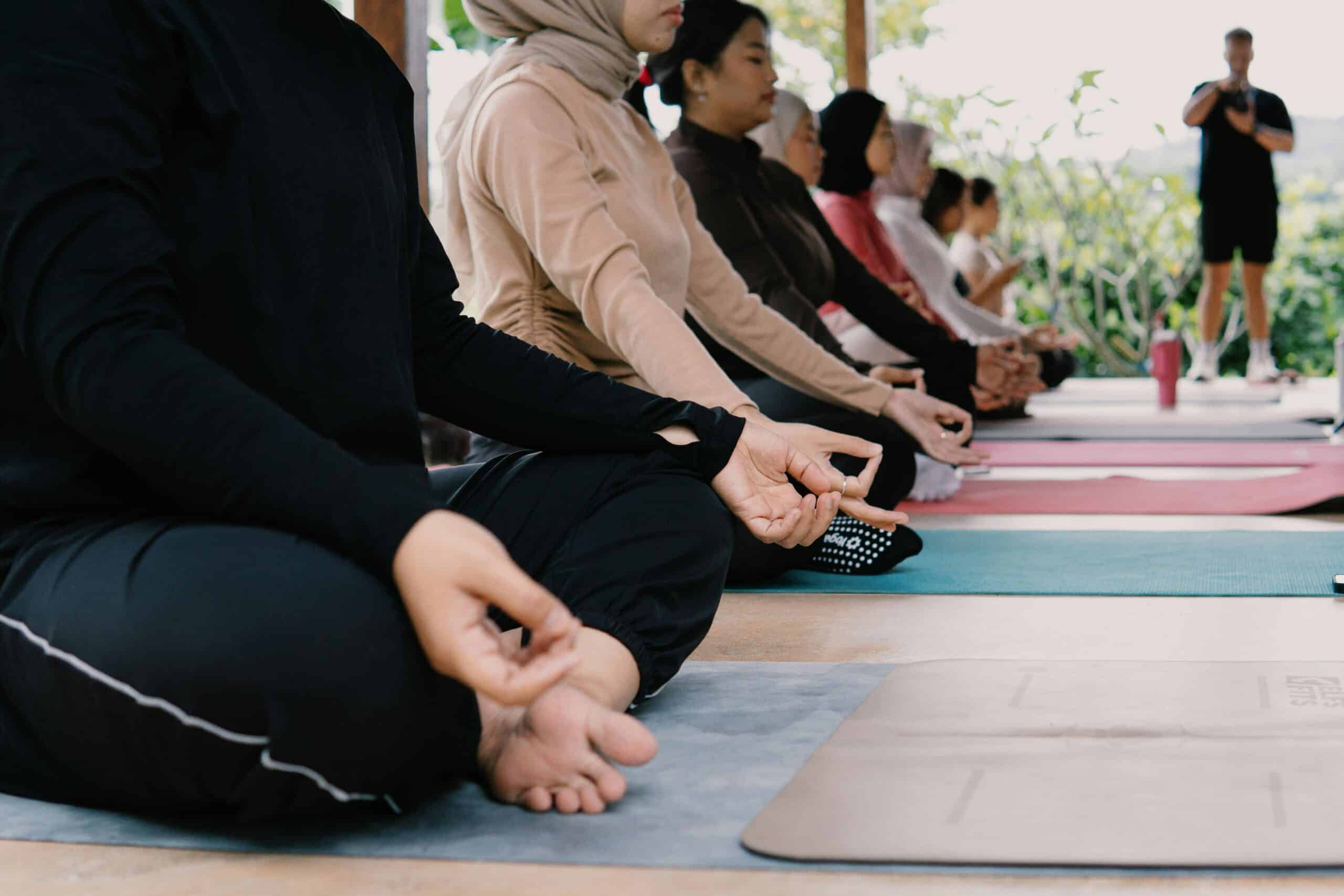
Consider finding a meditation community, whether in-person or online. Practicing with others provides accountability, inspiration, and the wisdom of more experienced practitioners. Many people find that attending weekly group sessions or participating in periodic retreats significantly deepens and sustains their individual practice.
Be flexible with your practice while maintaining consistency. If you typically meditate for thirty minutes but only have ten minutes available, meditate for ten minutes. Perfect conditions rarely exist—the willingness to practice imperfectly is what distinguishes sustained practitioners from those who abandon the path. Remember that meditation is not about achieving peak experiences but about showing up regularly with honest intention.
Embracing the Journey: Your Path to Lasting Transformation 🌸
The journey toward inner peace through meditation is not linear or predictable. Some days you’ll experience profound stillness and clarity; other days your mind will feel like a chaotic storm. Both experiences are valuable teachers. The practice is not about controlling your experience but about developing a different relationship with whatever arises—one characterized by acceptance, curiosity, and compassion.
Transformation happens gradually and often imperceptibly. You might not notice day-to-day changes, but looking back over months, you’ll recognize how differently you respond to stress, how much more present you are with loved ones, or how your baseline level of contentment has shifted. These subtle shifts accumulate into profound life changes.
Inner peace is not a destination you reach and permanently inhabit—it’s a quality you cultivate moment by moment through practice. Each time you return to the present, release judgment, or respond with awareness rather than reactivity, you strengthen the capacity for peace. This is the true gift of meditation: not the elimination of life’s difficulties but the development of an unshakeable inner stability that allows you to navigate whatever arises with grace, wisdom, and balance.
Your commitment to this practice is an act of profound self-care that extends far beyond yourself. As you cultivate inner peace, you naturally contribute to greater peace in your relationships, communities, and the world. The transformation begins within, but its effects ripple outward in ways both visible and invisible, creating a legacy of presence, compassion, and consciousness that touches countless lives.

Toni Santos is a visual storyteller and sartorial artisan whose work revives the forgotten threads of historical fashion. With a deep fascination for garments lost to time, Toni weaves together art, memory, and material culture to illuminate the styles, symbols, and silent codes once stitched into humanity’s past.
His creative journey is rooted in a passion for clothing as narrative — from ceremonial robes of vanished empires to the subtle embroidery of medieval outcasts, from whispered meanings in Victorian accessories to the ritual adornments of ancient rites. Each piece Toni brings to life is more than aesthetic; it’s an echo of identity, power, belief, and transformation across centuries.
With a background in visual design and handcrafted techniques, Toni blends historical research with creative interpretation. His work reimagines the overlooked: the feathered cloaks, perfumed gloves, symbolic fastenings, and forbidden textiles that once defined entire cultures — now reborn as visual artifacts that speak across time.
As the visionary behind Vizovex, Toni shares stories, artworks, and curated collections that reconnect audiences with the deeper meaning of what we wear — and what clothing reveals when it is finally seen not just as fashion, but as forgotten language.
His work is a tribute to:
The poetry of garments lost in history’s folds
The cultural codes woven into ancient textiles
The beauty of attire as identity, memory, and myth
Whether you’re a fashion historian, a designer seeking timeless inspiration, or simply drawn to the mystery of what people once wore and why, Toni invites you to explore a world where forgotten fashions are revived — one stitch, one silhouette, one story at a time.