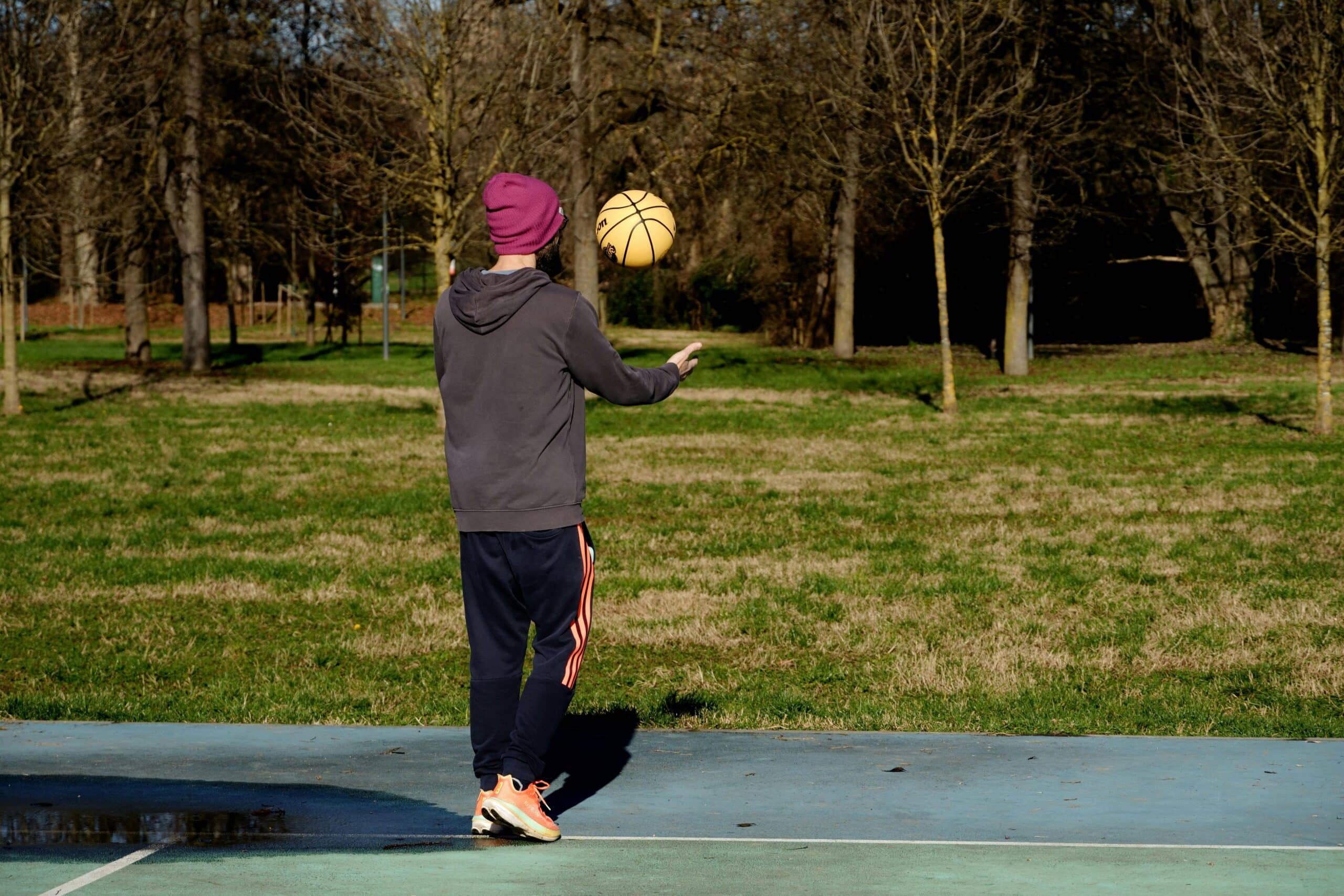
Building resilience and sharpening problem-solving abilities transforms how you navigate life’s challenges, creating a foundation for lasting confidence and personal growth.
In today’s fast-paced world, the ability to bounce back from setbacks and find creative solutions to complex problems isn’t just valuable—it’s essential. Whether you’re facing professional obstacles, personal challenges, or unexpected life transitions, your capacity to remain resilient and think critically determines your success and well-being. This comprehensive guide explores the interconnected nature of resilience and problem-solving, offering practical strategies to strengthen both skills simultaneously.
The journey toward becoming more resilient and solution-oriented isn’t about avoiding difficulties altogether. Instead, it’s about developing the mental flexibility, emotional strength, and strategic thinking that allow you to thrive despite adversity. By understanding the core principles behind these skills and implementing proven techniques, you can transform challenges into opportunities for growth and innovation.
Understanding the Foundation of Resilience 💪
Resilience represents your psychological immune system—the ability to adapt positively in the face of adversity, trauma, or significant stress. Unlike the misconception that resilient people are simply born tough, research consistently shows that resilience is a skill that can be developed and strengthened over time through deliberate practice and mindset shifts.
At its core, resilience involves several interconnected components. Emotional regulation allows you to manage intense feelings without being overwhelmed by them. Cognitive flexibility enables you to reframe situations and consider alternative perspectives. Social connection provides support networks that buffer against stress. Finally, a sense of purpose gives meaning to your struggles and motivates continued effort despite setbacks.
The neuroscience behind resilience reveals that our brains possess remarkable plasticity—the ability to form new neural pathways throughout our lives. When you repeatedly practice resilient behaviors, you literally rewire your brain to respond more effectively to stress. This biological adaptability means that regardless of your current resilience level, improvement is always possible with consistent effort.
The Resilience-Problem Solving Connection
Resilience and problem-solving skills exist in a symbiotic relationship, each reinforcing the other. When you approach obstacles with resilience, you maintain the emotional stability necessary for clear thinking and creative problem-solving. Conversely, effective problem-solving builds confidence in your abilities, which strengthens your resilience for future challenges.
This connection becomes particularly evident during crisis situations. Resilient individuals don’t panic when problems arise; instead, they enter a solution-focused state of mind. They view challenges as puzzles to solve rather than insurmountable barriers. This perspective shift alone can dramatically alter outcomes and experiences.
Building Your Resilience Toolkit 🛠️
Developing resilience requires a multifaceted approach that addresses physical, emotional, and mental dimensions. The following strategies form a comprehensive toolkit for strengthening your capacity to withstand and grow from adversity.
Cultivating a Growth Mindset
Stanford psychologist Carol Dweck’s research on growth mindset reveals that believing in your ability to develop skills through effort dramatically impacts your resilience. People with growth mindsets view failures as learning opportunities rather than reflections of fixed limitations. They understand that abilities can be developed, which makes setbacks feel temporary rather than permanent.
To cultivate this mindset, start paying attention to your self-talk. Replace statements like “I can’t do this” with “I can’t do this yet.” This simple linguistic shift acknowledges current limitations while affirming your potential for growth. Celebrate effort and learning rather than solely focusing on outcomes, and actively seek feedback as information for improvement rather than as judgment.
Strengthening Emotional Intelligence
Emotional intelligence—the ability to recognize, understand, and manage emotions—serves as a cornerstone of resilience. When you can identify what you’re feeling and why, you gain the power to respond thoughtfully rather than react impulsively. This self-awareness creates space between stimulus and response, allowing for more adaptive choices.
Practice naming your emotions with specificity. Rather than settling for broad categories like “bad” or “stressed,” identify whether you’re feeling disappointed, anxious, frustrated, or overwhelmed. This granular emotional vocabulary helps your brain better process experiences and reduces emotional intensity. Additionally, develop empathy by considering others’ perspectives and emotional experiences, which builds social resilience.
Building Physical Resilience
Your body and mind form an integrated system, meaning physical health directly impacts psychological resilience. Regular exercise doesn’t just improve cardiovascular health—it also reduces stress hormones, increases mood-boosting endorphins, and improves sleep quality. Even moderate physical activity, like a 30-minute daily walk, can significantly enhance your stress tolerance.
Sleep represents another critical component of resilience. During sleep, your brain consolidates memories, processes emotions, and clears metabolic waste. Chronic sleep deprivation impairs decision-making, increases emotional reactivity, and reduces problem-solving capacity. Prioritize 7-9 hours of quality sleep nightly by maintaining consistent sleep schedules and creating relaxing bedtime routines.
Mastering Problem-Solving Strategies 🧠
Effective problem-solving combines analytical thinking with creative exploration. While some people naturally gravitate toward systematic approaches and others prefer intuitive methods, the most skilled problem-solvers flexibly employ multiple strategies depending on the situation.
The Structured Problem-Solving Process
A systematic approach to problem-solving provides clarity when facing complex challenges. This structured method involves several distinct phases, each building upon the previous one:
- Define the problem clearly: Invest time understanding the real issue rather than jumping to solutions. Ask clarifying questions and distinguish between symptoms and root causes.
- Gather relevant information: Collect data, seek diverse perspectives, and identify constraints and resources available for addressing the problem.
- Generate multiple solutions: Brainstorm without judgment, encouraging quantity over quality initially. Consider conventional and unconventional approaches.
- Evaluate alternatives: Assess each potential solution’s pros, cons, feasibility, and alignment with your goals and values.
- Implement and monitor: Execute your chosen solution while remaining flexible, tracking results and adjusting as needed.
This framework prevents common pitfalls like solving the wrong problem or settling for the first solution that comes to mind. By methodically working through each phase, you increase the likelihood of finding effective, sustainable solutions.
Enhancing Creative Problem-Solving
While structured approaches work well for clearly defined problems, many challenges require creative thinking and innovation. Enhancing your creative problem-solving abilities involves deliberately disrupting habitual thought patterns and exploring unconventional possibilities.
One powerful technique involves reframing problems as opportunities. Instead of asking “Why is this happening to me?” shift to “What can this teach me?” or “How might this situation create new possibilities?” This linguistic reframing activates different neural networks, opening pathways to innovative solutions that might otherwise remain hidden.
Another effective strategy involves analogical thinking—drawing parallels between your current problem and seemingly unrelated domains. Ask yourself how someone from a completely different field might approach this challenge. How would an artist solve this? What would a scientist do? These mental exercises bypass conventional thinking patterns and spark creative insights.
Developing Confidence Through Action ✨
Confidence emerges not from positive thinking alone but from accumulated evidence of your capabilities. As you successfully navigate challenges using resilience and problem-solving skills, you build a portfolio of experiences that reinforce self-trust. This competence-based confidence proves far more durable than self-esteem built on affirmations alone.
The Power of Small Wins
Major transformations often begin with modest actions. Rather than waiting for perfect conditions or attempting dramatic changes, focus on achieving small wins consistently. Each small victory activates reward circuits in your brain, releasing dopamine that motivates continued effort and builds momentum.
Identify areas where you can practice resilience and problem-solving daily. This might involve tackling a challenging work project, having a difficult conversation you’ve been avoiding, or learning a new skill outside your comfort zone. The specific domain matters less than the consistent practice of pushing beyond familiar boundaries.
Embracing Productive Failure
Paradoxically, building confidence requires becoming comfortable with failure. When you view failures as data points rather than verdicts on your worth, you free yourself to take the intelligent risks necessary for growth. Resilient, confident people fail frequently—they simply don’t let failures define them or deter them from continued effort.
After setbacks, conduct productive post-mortems. What went well? What could be improved? What did you learn? This reflective practice transforms failures into learning experiences, extracting value from every outcome regardless of whether it met your initial expectations. Over time, this approach reduces fear of failure and increases your willingness to attempt challenging endeavors.
Leveraging Social Connections for Stronger Resilience 🤝
While resilience involves individual psychological factors, humans are fundamentally social creatures. The quality of your relationships significantly impacts your capacity to withstand stress and solve problems effectively. Strong social connections provide emotional support, practical assistance, diverse perspectives, and accountability.
Cultivate relationships with people who challenge and support you simultaneously. Seek mentors who’ve navigated challenges similar to those you face, peers who share your commitment to growth, and mentees who benefit from your experience. This diverse network provides multiple forms of support while keeping you engaged and motivated.
Don’t hesitate to ask for help when facing significant challenges. Requesting assistance isn’t weakness—it’s strategic resource utilization. Effective problem-solvers recognize when they’ve reached the limits of their knowledge or capabilities and actively seek input from others with relevant expertise or fresh perspectives.
Creating Sustainable Habits for Long-Term Success 🎯
Developing resilience and problem-solving skills isn’t a one-time achievement but an ongoing practice. Creating sustainable habits ensures these capabilities become integrated aspects of your identity rather than temporary improvements that fade when motivation wanes.
Designing Your Personal Development System
Effective habit formation requires designing systems that make desired behaviors easy and undesired behaviors difficult. Rather than relying on willpower alone, structure your environment and routines to support your goals. If you want to develop resilience through regular exercise, prepare workout clothes the night before and schedule exercise at times when you have the most energy.
Track your progress using whatever method resonates with you—journaling, apps, or simple checklists. This monitoring serves multiple purposes: it provides accountability, reveals patterns you might otherwise miss, and creates tangible evidence of your growth over time. Reviewing past entries during difficult periods reminds you of previous challenges you’ve overcome, reinforcing your resilience.
Practicing Mindfulness and Presence
Mindfulness—the practice of maintaining present-moment awareness without judgment—enhances both resilience and problem-solving abilities. When you’re fully present, you can respond to situations as they actually are rather than reacting based on assumptions or past experiences. This clarity improves decision-making and reduces stress.
Begin with brief mindfulness practices, even just five minutes of focused breathing daily. Notice when your mind wanders to worries about the future or rumination about the past, and gently redirect attention to present sensory experiences. Over time, this practice strengthens your attention control and emotional regulation, core components of resilience.
Transforming Obstacles Into Opportunities 🚀
The ultimate expression of mastered resilience and problem-solving skills involves consistently transforming obstacles into opportunities for growth, innovation, and advancement. This transformation doesn’t deny the reality of difficulties but refuses to let challenges have the final word on your trajectory.
When facing significant obstacles, conduct a thorough opportunity analysis. What might this challenge teach you? What skills could you develop through addressing it? How might overcoming this obstacle position you for future success? What doors might open that would have remained closed without this difficulty? These questions shift your orientation from passive victim to active agent.
Consider maintaining an “obstacles overcome” journal where you document challenges you’ve faced and how you addressed them. Include not just successes but also attempts that didn’t work as planned and what you learned from them. This record becomes a powerful reminder of your capabilities during moments when resilience feels difficult to access.
Sustaining Growth Through Continuous Learning 📚
The most resilient problem-solvers embrace lifelong learning, recognizing that each experience—positive or negative—offers lessons that enhance future performance. This learning orientation transforms every situation into potential developmental material.
Seek diverse learning experiences that challenge different aspects of your thinking. Read widely across disciplines, engage with people whose perspectives differ from yours, and regularly attempt activities outside your expertise. This cognitive diversity strengthens mental flexibility, a key component of both resilience and creative problem-solving.
Additionally, teach others what you’re learning. Explaining concepts to someone else deepens your understanding and reveals gaps in your knowledge. Whether through formal mentoring, casual conversations, or written reflection, sharing your journey reinforces your learning while potentially helping others develop their own resilience and problem-solving capabilities.
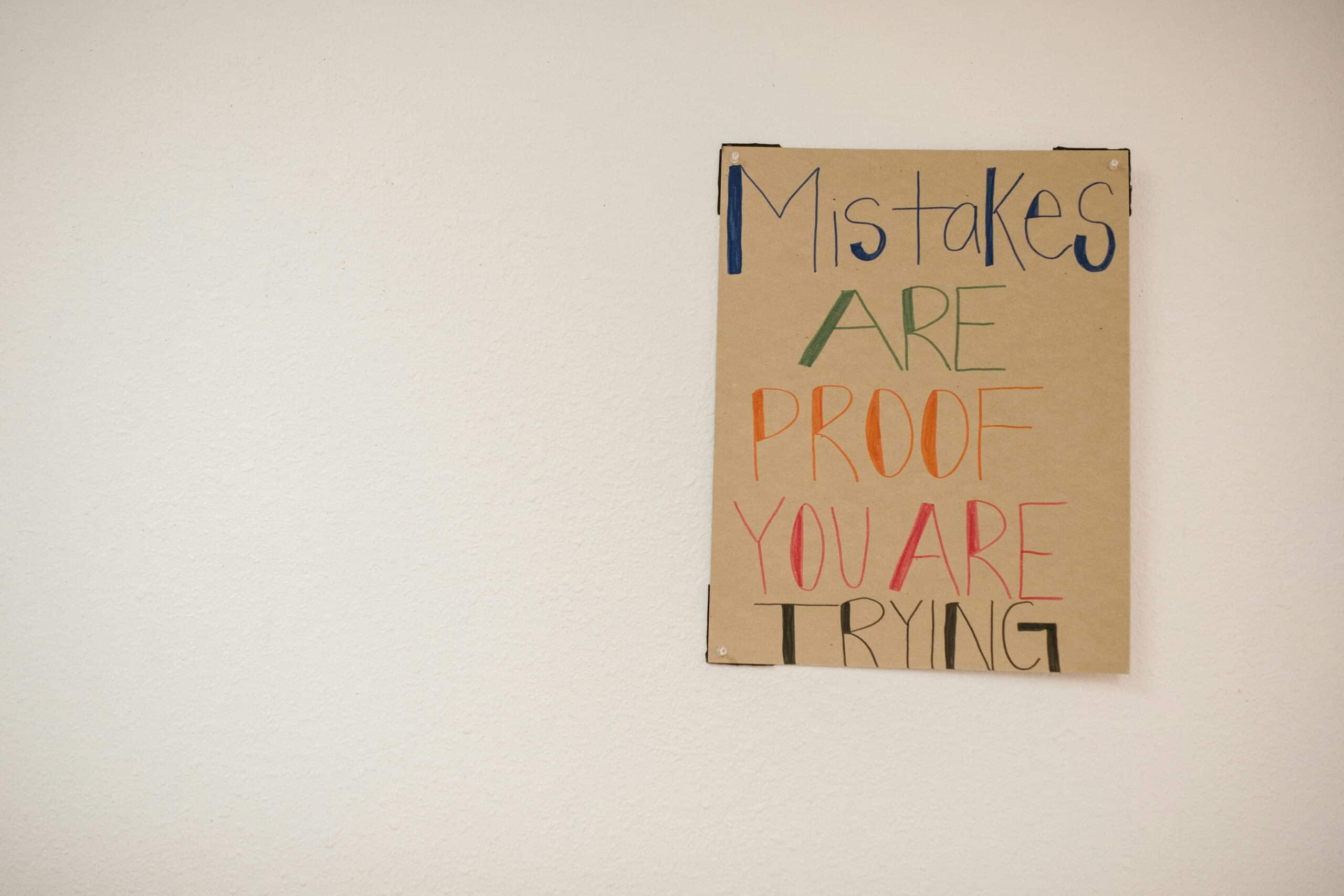
Integrating Mind, Body, and Spirit for Holistic Strength 🌟
True resilience involves integration across all aspects of your being—mental, physical, emotional, and spiritual. While individual strategies target specific dimensions, the most powerful transformations occur when you address yourself as a complete system rather than isolated components.
Your mental strategies work more effectively when supported by physical health practices like exercise, nutrition, and sleep. Your emotional intelligence deepens when complemented by mindfulness and self-reflection. Your problem-solving improves when grounded in clear values and sense of purpose. This holistic approach creates synergies where improvements in one area naturally enhance others.
Regular self-assessment helps maintain this integration. Periodically evaluate how you’re doing across different life domains—physical health, relationships, work, personal growth, and meaning. When you notice imbalances, adjust accordingly. This ongoing calibration ensures sustainable development rather than progress in one area at the expense of others.
The journey toward mastering resilience and problem-solving skills represents one of the most valuable investments you can make in yourself. These capabilities influence virtually every aspect of life—from professional achievement to personal relationships, from daily stress management to responses during major crises. As you consistently apply the strategies outlined here, you’ll notice not just isolated improvements but a fundamental shift in how you experience and navigate the world.
Remember that developing these skills isn’t about reaching a final destination where you’ve “mastered” resilience permanently. Instead, it’s an ongoing practice of growth, learning, and adaptation. Some days will feel easier than others, and setbacks are inevitable. The difference lies not in avoiding difficulties but in how you respond to them—with flexibility, creativity, determination, and confidence in your ability to find a way forward.
Start where you are, use what you have, and take the next small step. Your stronger, smarter, more confident self emerges not through dramatic overnight transformation but through the accumulation of daily choices, practices, and commitments. The resilience and problem-solving abilities you develop today become the foundation for the challenges you’ll navigate tomorrow and the opportunities you’ll create for years to come.

Toni Santos is a visual storyteller and sartorial artisan whose work revives the forgotten threads of historical fashion. With a deep fascination for garments lost to time, Toni weaves together art, memory, and material culture to illuminate the styles, symbols, and silent codes once stitched into humanity’s past.
His creative journey is rooted in a passion for clothing as narrative — from ceremonial robes of vanished empires to the subtle embroidery of medieval outcasts, from whispered meanings in Victorian accessories to the ritual adornments of ancient rites. Each piece Toni brings to life is more than aesthetic; it’s an echo of identity, power, belief, and transformation across centuries.
With a background in visual design and handcrafted techniques, Toni blends historical research with creative interpretation. His work reimagines the overlooked: the feathered cloaks, perfumed gloves, symbolic fastenings, and forbidden textiles that once defined entire cultures — now reborn as visual artifacts that speak across time.
As the visionary behind Vizovex, Toni shares stories, artworks, and curated collections that reconnect audiences with the deeper meaning of what we wear — and what clothing reveals when it is finally seen not just as fashion, but as forgotten language.
His work is a tribute to:
The poetry of garments lost in history’s folds
The cultural codes woven into ancient textiles
The beauty of attire as identity, memory, and myth
Whether you’re a fashion historian, a designer seeking timeless inspiration, or simply drawn to the mystery of what people once wore and why, Toni invites you to explore a world where forgotten fashions are revived — one stitch, one silhouette, one story at a time.