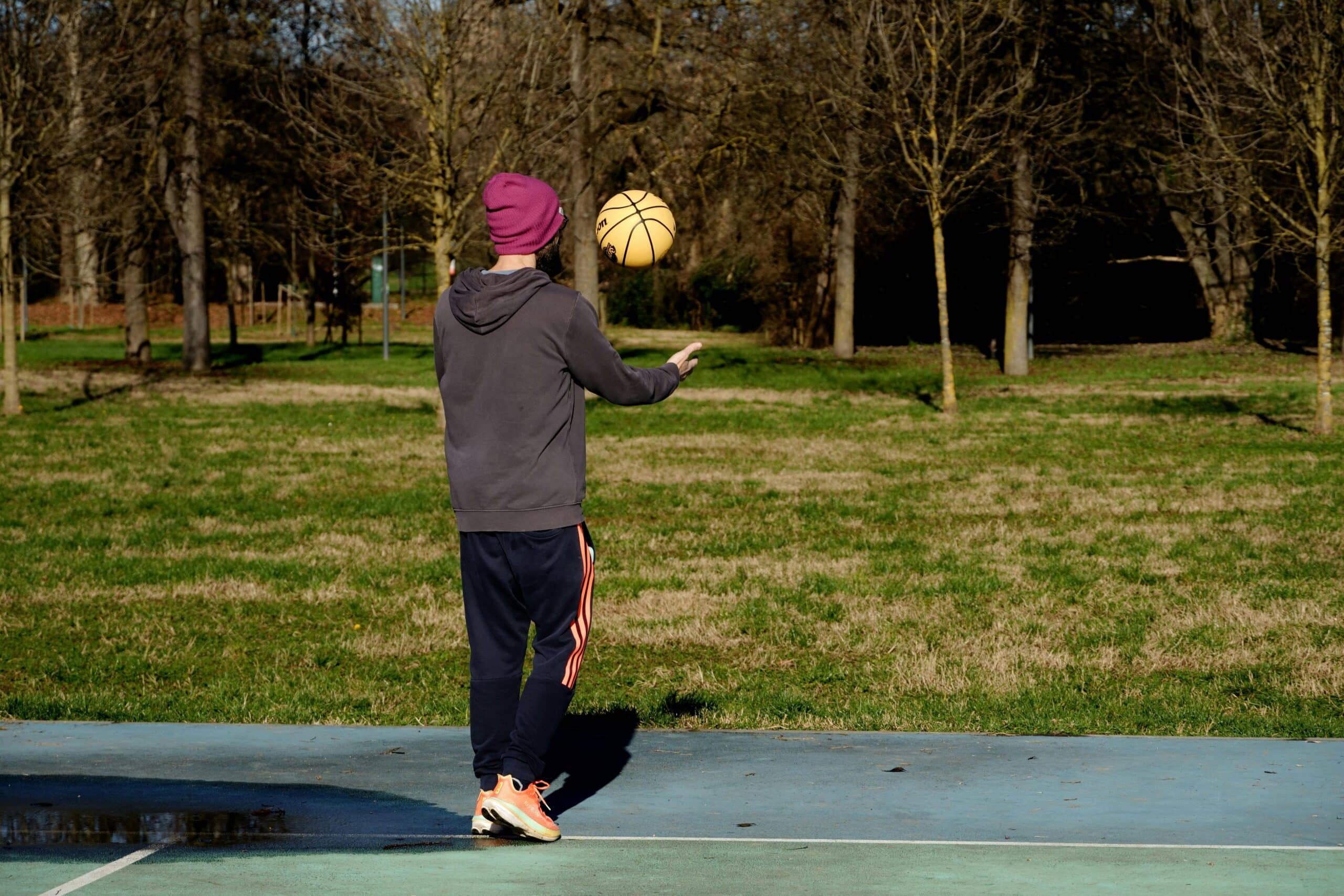
Life knocks us down repeatedly, but resilience transforms those falls into stepping stones. Learning to bounce back isn’t just survival—it’s the foundation for thriving through uncertainty and adversity.
🌟 Understanding Resilience: More Than Just Toughness
Resilience isn’t about being invulnerable or never experiencing pain. It’s the psychological capacity to adapt to stress, adversity, trauma, and significant sources of stress while maintaining mental well-being. Think of it as emotional flexibility rather than rigid strength—the ability to bend without breaking when life’s storms arrive.
Research from leading psychology institutions shows that resilience operates as a dynamic process, not a fixed trait. This means anyone can develop and strengthen their resilience through intentional practice and training. The good news? Resilience training doesn’t require extraordinary circumstances or superhuman willpower—it thrives in everyday moments.
People with high resilience share common characteristics: they maintain realistic optimism, accept change as part of life, keep problems in perspective, and take decisive actions toward solutions. They’ve learned to view challenges as temporary obstacles rather than permanent roadblocks, fundamentally shifting their relationship with adversity.
The Science Behind Bouncing Back
Neuroscience reveals fascinating insights about resilience. Our brains possess remarkable plasticity—the ability to form new neural pathways and adapt to experiences. When we practice resilience-building behaviors, we’re literally rewiring our brain’s response patterns to stress and challenge.
The prefrontal cortex, responsible for executive functions like decision-making and emotional regulation, plays a crucial role in resilience. Meanwhile, the amygdala, our brain’s alarm system, can be trained to respond less dramatically to perceived threats. This neurological partnership determines how effectively we bounce back from setbacks.
Cortisol, often called the stress hormone, doesn’t have to be our enemy. Resilient individuals show healthier cortisol patterns—they experience appropriate stress responses that return to baseline relatively quickly. Training resilience essentially teaches our nervous system to recover faster from activation, preventing chronic stress from taking root.
💪 Building Your Resilience Foundation: Core Practices
Cultivate Self-Awareness Through Reflection
Self-awareness forms the bedrock of resilience. You cannot strengthen what you don’t understand. Regular reflection helps you identify your stress triggers, emotional patterns, and typical responses to challenges. This awareness creates space between stimulus and response—a gap where conscious choice lives.
Start with simple practices: spend five minutes daily reviewing your emotional experiences. What situations drained your energy? Which ones energized you? What thoughts accompanied challenging moments? This reflective habit transforms vague feelings into actionable insights.
Journaling accelerates self-awareness dramatically. Write without censorship about your experiences, focusing particularly on difficult situations and your reactions. Over time, patterns emerge that reveal your unique resilience profile—your strengths to leverage and vulnerabilities to address.
Develop Emotional Regulation Skills
Emotional regulation doesn’t mean suppressing feelings—it means managing their intensity and expression appropriately. Resilient people experience the full spectrum of emotions but don’t become overwhelmed by them. They’ve learned to ride emotional waves rather than being swept away.
Practice the STOP technique when emotions intensify: Stop what you’re doing, Take a breath, Observe your thoughts and feelings without judgment, Proceed mindfully. This simple framework interrupts automatic reactions and engages your rational mind, creating opportunities for more adaptive responses.
Breathing exercises provide immediate nervous system regulation. The physiological sigh—two inhales through the nose followed by a long exhale—quickly reduces stress activation. Deep breathing activates the parasympathetic nervous system, signaling safety to your body and calming the stress response.
🧠 Mental Frameworks That Foster Resilience
Reframe Your Perspective on Failure
Resilient individuals possess a fundamentally different relationship with failure. They view setbacks as feedback rather than final verdicts on their capabilities. This perspective shift—from fixed to growth mindset—transforms obstacles into opportunities for learning and development.
When facing failure, ask yourself three questions: What can I learn from this? How might this redirect me toward a better path? What strength did I demonstrate by trying? These questions orient your mind toward growth rather than rumination, extracting value from even disappointing experiences.
Research by psychologist Carol Dweck demonstrates that people who believe abilities can be developed through dedication show greater resilience than those who view talents as fixed. Embracing a growth mindset doesn’t deny difficulties—it recognizes them as part of the development process.
Practice Radical Acceptance
Acceptance doesn’t mean resignation or approval—it means acknowledging reality as it exists right now. Fighting against unchangeable circumstances drains energy that could be directed toward productive action. Resilience grows when we distinguish between what we can control and what we cannot.
The Serenity Prayer captures this wisdom perfectly: seeking courage to change what can be changed, serenity to accept what cannot, and wisdom to know the difference. This discrimination prevents wasted effort on futile resistance while channeling energy toward meaningful action.
Acceptance creates psychological flexibility. When you stop demanding that reality conform to your preferences, you free yourself to work effectively with what actually exists. This pragmatic approach characterizes highly resilient people across cultures and contexts.
🤝 Social Connections: Your Resilience Network
Humans are fundamentally social creatures. Our nervous systems literally co-regulate with others—we calm down or become activated based on the emotional states of people around us. Strong social connections provide one of the most powerful resilience buffers available.
Quality matters more than quantity. A few deep, authentic relationships offer more resilience support than dozens of superficial connections. Invest in relationships where you can be genuine, vulnerable, and supported—where people know your struggles and encourage your growth.
Don’t wait until crisis strikes to build your support network. Cultivate connections during calm periods so they’re established when storms arrive. Regular check-ins, shared activities, and mutual support strengthen bonds that sustain you through difficulties.
Ask for Help Without Shame
Requesting support isn’t weakness—it’s wisdom. Resilient people recognize they don’t have all answers and actively seek help when needed. They understand that independence doesn’t mean isolation and that accepting assistance often accelerates problem-solving.
Practice asking for specific help rather than vague requests. Instead of “I’m struggling,” try “Could you help me think through this decision?” or “Would you be willing to check in with me daily this week?” Specific requests make it easier for others to provide meaningful support.
⚡ Physical Practices That Build Mental Resilience
Movement as Medicine
Physical activity directly impacts resilience through multiple mechanisms. Exercise reduces stress hormones, increases endorphins, improves sleep quality, and enhances cognitive function. Regular movement literally changes your brain chemistry in ways that support emotional regulation and stress recovery.
You don’t need intense workouts to gain resilience benefits. Moderate activities like brisk walking, yoga, or dancing provide substantial advantages. The key is consistency—daily movement accumulates resilience dividends over time, building a stronger foundation for handling life’s challenges.
Exercise also provides opportunities to practice resilience in low-stakes environments. Pushing through physical discomfort during workouts trains the mental discipline that transfers to other challenging situations. You’re building both physical and psychological stamina simultaneously.
Prioritize Sleep for Emotional Recovery
Sleep deprivation devastates resilience. Without adequate rest, the prefrontal cortex functions poorly while the amygdala becomes hyperactive—exactly the opposite of what resilience requires. Quality sleep allows your brain to process emotions, consolidate learning, and reset stress systems.
Protect your sleep with consistent routines: regular bedtimes, dark and cool sleeping environments, and device-free wind-down periods. Consider sleep as essential training for resilience rather than time stolen from productivity—it’s when your nervous system repairs and strengthens.
🎯 Purpose and Meaning: Your Resilience North Star
Viktor Frankl’s research with concentration camp survivors revealed that those who maintained a sense of purpose and meaning showed remarkable resilience despite unimaginable suffering. Purpose provides the “why” that makes the “how” bearable—it sustains you through difficulties by connecting challenges to something larger than immediate discomfort.
Clarify your values and align your actions with them. When your daily choices reflect what truly matters to you, setbacks feel less devastating because your core direction remains intact. Values act as an internal compass, helping you navigate challenges without losing your way.
Purpose doesn’t require grand missions or world-changing ambitions. It can be found in being a present parent, contributing quality work, supporting your community, or developing your capabilities. What matters is that your life connects to meaning beyond immediate gratification or comfort.
🛠️ Practical Resilience Tools for Daily Life
Create a Personal Resilience Plan
Don’t wait until crisis strikes to think about resilience. Develop a written plan that outlines your coping strategies, support contacts, and self-care practices. When stress clouds judgment, having a predetermined plan provides clear guidance.
Include these elements in your resilience plan: warning signs that you’re becoming overwhelmed, three immediate coping strategies you can use anywhere, five people you can contact for support, activities that reliably restore your energy, and reminders of previous challenges you’ve overcome.
Practice Gratitude Strategically
Gratitude isn’t about toxic positivity or denying difficulties. It’s about training your attention to notice what’s working alongside what isn’t. This balanced perspective prevents the negativity bias that narrows focus exclusively to problems, maintaining psychological resources for problem-solving.
Research shows that writing three specific things you’re grateful for daily—emphasizing depth over breadth—strengthens neural pathways associated with positive emotion and resilience. The practice takes three minutes but yields cumulative benefits that compound over weeks and months.
Build Micro-Resilience Throughout Your Day
Resilience isn’t only for major crises—it’s cultivated through countless small moments. Practice micro-resilience by pausing to breathe deeply before difficult conversations, reframing minor frustrations as practice opportunities, and celebrating small wins throughout your day.
These micro-practices accumulate into substantial capacity. Each time you choose a resilient response to a minor stressor, you strengthen neural pathways that activate more readily during significant challenges. You’re essentially training resilience muscles with daily repetitions.
🌱 Sustaining Resilience Long-Term
Resilience isn’t a destination you reach and maintain effortlessly. It requires ongoing attention and practice, much like physical fitness. Expect fluctuations in your capacity—some seasons naturally test resilience more than others, and that’s completely normal.
Regular resilience check-ins help maintain your capacity. Monthly reviews of what’s working, what needs adjustment, and what new challenges are emerging keep your approach current and effective. Resilience training adapts to your evolving life circumstances.
Remember that building resilience is itself an act of resilience. You’re investing in yourself even when immediate returns aren’t visible. Trust the process, practice self-compassion when progress feels slow, and recognize that every small step strengthens your capacity to thrive through whatever life presents.

Your Resilience Journey Starts Now
Mastering the art of bouncing back doesn’t require perfection or the absence of struggle. It requires commitment to practices that strengthen your capacity to adapt, recover, and grow through challenges. The essential resilience training outlined here provides a comprehensive framework for not just surviving life’s difficulties but genuinely thriving because of them.
Start with one practice that resonates most strongly. Maybe it’s daily reflection, building your support network, or committing to regular movement. As that practice becomes habitual, layer in additional strategies. Resilience builds gradually through consistent, intentional effort applied over time.
You already possess innate resilience—you’ve survived every challenge life has presented so far. These training practices simply help you access and amplify that existing capacity more reliably and effectively. Your ability to bounce back strengthens with every conscious choice to practice these principles, transforming adversity from something that happens to you into something that develops you. The journey toward thriving through life’s inevitable ups and downs begins with your very next decision to choose resilience.

Toni Santos is a visual storyteller and sartorial artisan whose work revives the forgotten threads of historical fashion. With a deep fascination for garments lost to time, Toni weaves together art, memory, and material culture to illuminate the styles, symbols, and silent codes once stitched into humanity’s past.
His creative journey is rooted in a passion for clothing as narrative — from ceremonial robes of vanished empires to the subtle embroidery of medieval outcasts, from whispered meanings in Victorian accessories to the ritual adornments of ancient rites. Each piece Toni brings to life is more than aesthetic; it’s an echo of identity, power, belief, and transformation across centuries.
With a background in visual design and handcrafted techniques, Toni blends historical research with creative interpretation. His work reimagines the overlooked: the feathered cloaks, perfumed gloves, symbolic fastenings, and forbidden textiles that once defined entire cultures — now reborn as visual artifacts that speak across time.
As the visionary behind Vizovex, Toni shares stories, artworks, and curated collections that reconnect audiences with the deeper meaning of what we wear — and what clothing reveals when it is finally seen not just as fashion, but as forgotten language.
His work is a tribute to:
The poetry of garments lost in history’s folds
The cultural codes woven into ancient textiles
The beauty of attire as identity, memory, and myth
Whether you’re a fashion historian, a designer seeking timeless inspiration, or simply drawn to the mystery of what people once wore and why, Toni invites you to explore a world where forgotten fashions are revived — one stitch, one silhouette, one story at a time.