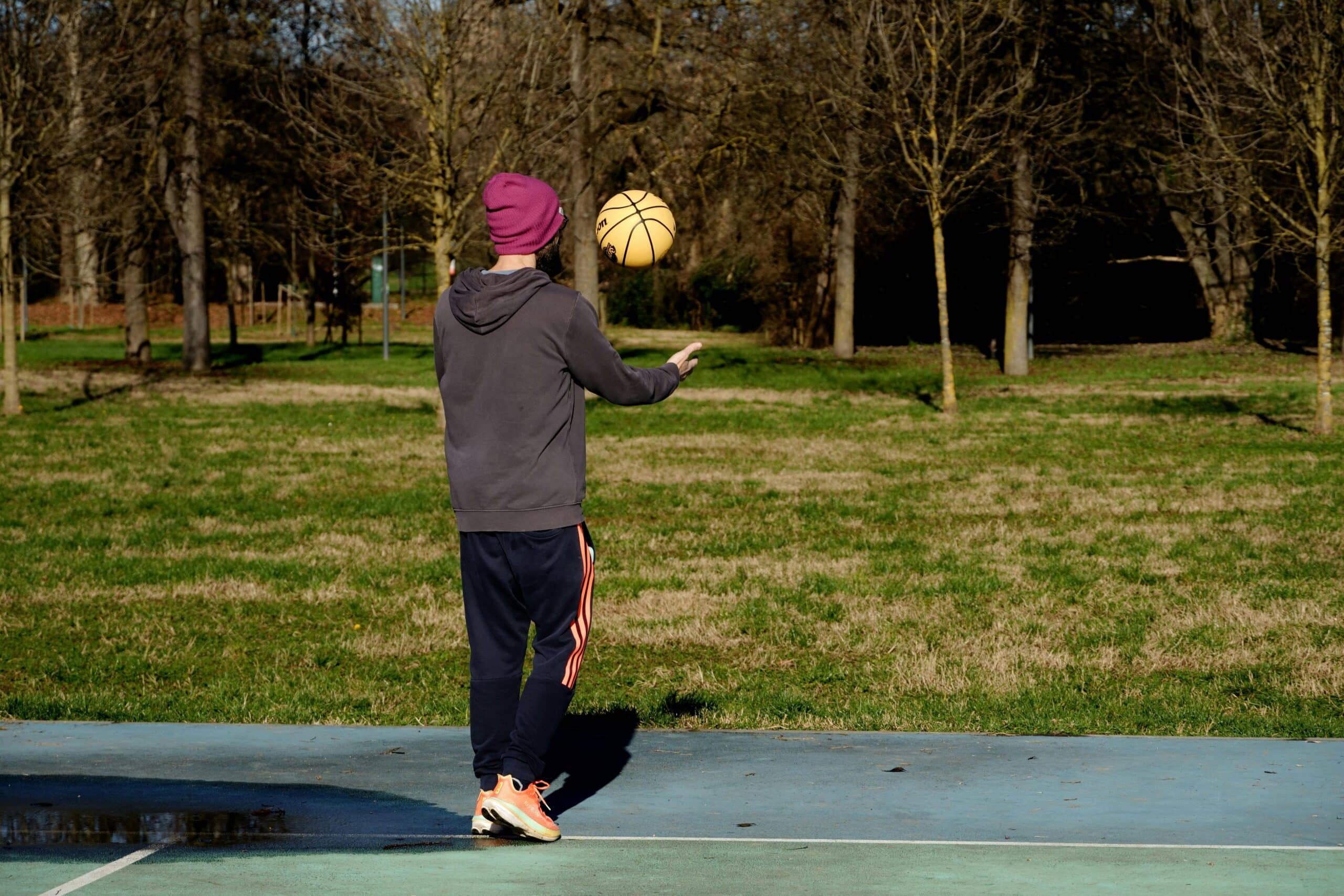
Resilience isn’t just about surviving life’s storms—it’s about learning to dance in the rain and emerge stronger, wiser, and more capable than before.
In today’s rapidly changing world, the ability to bounce back from setbacks has become more than just a desirable trait; it’s an essential skill for personal and professional success. Whether you’re facing career challenges, personal disappointments, health setbacks, or unexpected life changes, mastering resilience training techniques can transform how you navigate adversity and ultimately determine your trajectory in life.
The concept of resilience has evolved significantly over the past decades. What was once considered an innate personality trait is now understood as a dynamic set of skills that can be developed, strengthened, and refined through deliberate practice and innovative training methods. This paradigm shift has opened up extraordinary possibilities for individuals seeking to enhance their capacity to thrive despite challenges.
🧠 Understanding the Neuroscience Behind Resilient Behavior
Recent advances in neuroscience have revealed fascinating insights into how our brains respond to adversity and adapt to challenges. The concept of neuroplasticity—the brain’s ability to reorganize itself by forming new neural connections—lies at the heart of resilience training. When we consciously practice resilience-building techniques, we’re literally rewiring our brains to respond more effectively to stress and setbacks.
The prefrontal cortex, responsible for executive functions like decision-making and emotional regulation, plays a crucial role in resilient responses. Meanwhile, the amygdala, our brain’s alarm system, can either help or hinder our bounce-back capacity depending on how well-regulated it is. Understanding this biological foundation empowers us to work with our natural systems rather than against them.
Research has also shown that resilient individuals demonstrate greater activity in brain regions associated with positive emotions and reward processing. This isn’t coincidental—it’s a trainable response pattern that can be cultivated through specific exercises and mindfulness practices that strengthen these neural pathways over time.
The Foundation: Building Your Resilience Baseline
Before diving into advanced techniques, establishing a strong foundation is essential. Your resilience baseline consists of fundamental habits and mindsets that support your ability to handle stress and recover from difficulties. Think of this as preparing the soil before planting seeds—without proper preparation, even the best techniques won’t take root effectively.
Creating Your Personal Resilience Inventory
Begin by honestly assessing your current resilience capacity. This self-awareness exercise helps you identify both strengths to leverage and areas requiring development. Consider how you’ve handled past challenges, what coping mechanisms you naturally gravitate toward, and which situations typically deplete or energize you.
Your resilience inventory should include physical factors like sleep quality, nutrition, and exercise habits, as well as psychological elements such as your self-talk patterns, support network strength, and ability to maintain perspective during difficult times. This comprehensive assessment provides a roadmap for personalized resilience training.
💪 Innovative Techniques for Building Mental Toughness
Mental toughness forms the core of resilience, enabling you to maintain focus, motivation, and performance under pressure. Modern resilience training incorporates several evidence-based techniques that go beyond traditional positive thinking approaches.
Stress Inoculation Training
Similar to how vaccines work by exposing your body to small amounts of a pathogen, stress inoculation involves deliberately exposing yourself to manageable levels of stress in controlled environments. This progressive exposure builds your tolerance and confidence in handling increasingly difficult situations.
Start with minor challenges slightly outside your comfort zone—perhaps speaking up in meetings if you’re typically quiet, or trying a new physical activity that feels moderately intimidating. As your confidence grows, gradually increase the difficulty level. This systematic approach prevents overwhelming your system while steadily expanding your resilience capacity.
The Power of Cognitive Reframing
How you interpret events dramatically influences your resilience. Cognitive reframing teaches you to view challenges through multiple lenses, finding opportunities within obstacles and extracting lessons from setbacks. This isn’t about forced positivity or denying difficulties—it’s about developing cognitive flexibility.
Practice the “three interpretations” exercise: when facing a challenge, deliberately generate three different ways to understand the situation. One interpretation might be negative, one neutral, and one constructive. This mental workout strengthens your ability to choose empowering perspectives even during difficult times.
Emotional Agility: The Game-Changer in Resilience Training
Emotional agility—the ability to navigate your inner world with openness, curiosity, and flexibility—represents one of the most powerful resilience tools available. Unlike emotional suppression or forced positivity, emotional agility acknowledges the full spectrum of human emotions while preventing them from controlling your actions.
Developing emotional agility requires practicing the skill of “holding emotions lightly”—experiencing them fully without becoming overwhelmed or defined by them. This involves noticing emotions as they arise, naming them accurately (expanding beyond basic labels like “stressed” or “upset”), and accepting them as temporary experiences rather than permanent states.
The “zoom out” technique enhances emotional agility by helping you gain perspective during emotionally charged moments. When experiencing intense feelings, mentally step back and observe yourself as if watching a movie. This psychological distance doesn’t diminish your emotions but prevents them from hijacking your decision-making processes.
🌱 Physical Resilience: The Often-Overlooked Component
While mental and emotional resilience receive considerable attention, physical resilience forms the foundation upon which all other forms rest. Your body’s capacity to handle stress, recover from exertion, and maintain energy directly impacts your psychological bounce-back ability.
Optimizing Your Recovery Systems
Recovery isn’t passive—it’s an active process requiring intentional practices. High-performing individuals in all fields understand that resilience isn’t just about how hard you can push; it’s equally about how effectively you recover. Implementing structured recovery protocols enhances both physical and mental resilience capacity.
Consider incorporating deliberate recovery practices into your routine: quality sleep protocols, strategic nutrition timing, active recovery exercises, and regular movement breaks throughout your day. These aren’t luxuries—they’re essential components of a comprehensive resilience training program.
The Vagus Nerve Connection
The vagus nerve, running from your brainstem to your abdomen, plays a crucial role in your stress response and recovery capacity. Strengthening vagal tone—essentially improving this nerve’s functioning—enhances your ability to shift from stress states to calm, focused states more efficiently.
Simple practices like deep breathing exercises, cold exposure (such as cold showers), humming or singing, and certain yoga poses stimulate the vagus nerve and build resilience at a physiological level. These techniques offer immediate stress relief while building long-term capacity for handling challenges.
Social Resilience: Leveraging Connection for Strength
Humans are fundamentally social creatures, and our resilience is significantly influenced by the quality of our relationships and support networks. Social resilience involves both receiving support from others and contributing to their wellbeing—a reciprocal dynamic that strengthens everyone involved.
Building social resilience requires intentional relationship cultivation. This means going beyond surface-level connections to develop authentic relationships where vulnerability is safe and mutual support is genuine. Research consistently shows that individuals with strong social networks recover from setbacks faster and report greater overall life satisfaction.
Don’t wait for crises to strengthen your support network. Regularly invest in relationships through meaningful conversations, shared experiences, and reciprocal support. When challenges arise, you’ll have a robust network ready to provide perspective, resources, and emotional support.
🎯 Implementing the Growth Mindset Framework
Carol Dweck’s groundbreaking research on mindset reveals that how you view your abilities fundamentally shapes your resilience. A growth mindset—the belief that abilities can be developed through dedication and effort—creates a foundation for bouncing back from setbacks stronger than before.
Individuals with growth mindsets interpret failures differently than those with fixed mindsets. Rather than viewing setbacks as evidence of inadequacy, they see them as information and opportunities for learning. This shift in interpretation dramatically affects motivation, persistence, and ultimately, success.
Cultivating a growth mindset involves monitoring your self-talk, particularly during challenging situations. Replace fixed mindset statements like “I can’t do this” with growth-oriented alternatives like “I can’t do this yet, but I’m learning.” This subtle linguistic shift reinforces the belief that improvement is always possible.
Advanced Resilience Training: Taking It to the Next Level
Once you’ve established fundamental resilience practices, advanced techniques can further enhance your bounce-back capacity. These methods require more dedication but offer proportionally greater benefits for those committed to mastering resilience.
Deliberate Adversity Practice
Elite performers across various domains—from special forces operators to world-class athletes—engage in deliberate adversity practice. This involves intentionally creating challenging scenarios to build confidence in your ability to handle difficulty. Unlike reactive resilience (bouncing back from unexpected challenges), this proactive approach builds psychological reserves before they’re needed.
Examples include cold exposure training, challenging physical events like obstacle course races, public speaking opportunities, or difficult conversations you’ve been avoiding. The key is choosing challenges that genuinely stretch you while remaining safe and purposeful.
Mindfulness-Based Resilience Training
Mindfulness practices enhance resilience by developing present-moment awareness, reducing rumination, and increasing emotional regulation capacity. Regular mindfulness training literally changes brain structure, strengthening areas associated with attention, emotional regulation, and perspective-taking.
Implement a daily mindfulness practice, even if just for ten minutes. This could include formal meditation, mindful walking, or conscious breathing exercises. The consistency matters more than duration—regular practice builds the neural pathways that support resilient responses during stressful times.
📊 Measuring Progress: Tracking Your Resilience Development
What gets measured gets managed. Tracking your resilience development provides motivation, reveals patterns, and helps you adjust your training approach for maximum effectiveness. However, measuring resilience requires looking beyond simple metrics to capture the nuanced nature of bounce-back capacity.
Consider tracking multiple indicators: recovery time after setbacks, stress response intensity, quality of decisions under pressure, energy levels throughout challenging periods, and subjective wellbeing measures. Journaling provides qualitative data that complements quantitative tracking, revealing insights that numbers alone might miss.
Review your resilience data regularly—weekly or monthly—to identify trends and adjust your training focus. Perhaps you’re excellent at cognitive reframing but struggle with physical recovery, or maybe your social support needs strengthening. This data-driven approach ensures your resilience training addresses your specific needs.
Creating Your Personalized Resilience Training Plan
Generic approaches rarely produce optimal results. Your resilience training plan should reflect your unique challenges, goals, lifestyle constraints, and learning preferences. A personalized plan ensures you’re investing energy in the techniques most likely to benefit you specifically.
Start by selecting 3-5 techniques from different categories—mental, emotional, physical, and social resilience. Implement these consistently for at least 30 days before adding new practices. This focused approach prevents overwhelm while allowing sufficient time to assess effectiveness and integrate practices into your routine.
Schedule regular plan reviews—quarterly assessments work well for most people—to evaluate what’s working, what isn’t, and what adjustments might enhance your results. Resilience training is iterative; your plan should evolve as you develop and as your circumstances change.
🚀 Transforming Setbacks into Springboards
The ultimate goal of resilience training isn’t merely returning to baseline after challenges—it’s using adversity as a catalyst for growth. This concept, known as post-traumatic growth or adversarial growth, represents the pinnacle of resilience mastery.
Individuals who experience adversarial growth report enhanced personal relationships, greater appreciation for life, increased personal strength, recognition of new possibilities, and deeper spiritual or existential understanding following challenges. This transformation doesn’t happen automatically—it requires intentional reflection and meaning-making processes.
After experiencing setbacks, engage in structured reflection: What did this experience teach you? How have you grown stronger? What new capabilities have you developed? How might this difficulty ultimately serve your long-term goals? These questions help extract maximum value from difficult experiences.
Sustaining Resilience: The Long Game
Building resilience isn’t a project with a finish line—it’s a lifelong practice. The techniques that strengthen your bounce-back capacity require ongoing application, and your resilience needs will evolve as you face different life stages and challenges.
Develop sustainability strategies to maintain your resilience practices long-term. This might include finding accountability partners, joining communities focused on growth and development, regularly refreshing your techniques to prevent boredom, and celebrating small wins to maintain motivation.
Remember that resilience building isn’t linear. You’ll experience periods of rapid growth followed by plateaus, and occasionally you’ll face setbacks in your resilience practice itself. Approach these fluctuations with self-compassion and curiosity rather than judgment—they’re normal parts of the developmental process.

💎 Integrating Resilience into Your Daily Life
The most effective resilience training happens not in isolated practice sessions but through integration into daily life. Every challenge—from minor frustrations to major setbacks—becomes an opportunity to practice and strengthen your bounce-back capacity.
Start small by reframing daily annoyances as resilience training opportunities. Traffic jams become patience practice. Difficult conversations become emotional regulation training. Unexpected changes become flexibility exercises. This shift in perspective transforms ordinary life into a comprehensive resilience development program.
Create environmental cues that support resilient behaviors. Post meaningful quotes where you’ll see them during challenging moments. Set phone reminders for breathing exercises during typically stressful times. Design your physical space to promote the recovery practices essential for sustained resilience.
The journey toward resilience mastery is deeply personal and profoundly rewarding. By implementing these innovative training techniques, you’re not just preparing to survive challenges—you’re developing the capacity to thrive because of them. Every setback becomes feedback, every obstacle an opportunity, and every challenge a chance to demonstrate your growing strength. The art of bouncing back isn’t about avoiding falls; it’s about rising with greater wisdom, capability, and confidence each time. Your resilience journey begins with a single practice, sustained through consistent application, and ultimately transforms how you experience life itself.

Toni Santos is a visual storyteller and sartorial artisan whose work revives the forgotten threads of historical fashion. With a deep fascination for garments lost to time, Toni weaves together art, memory, and material culture to illuminate the styles, symbols, and silent codes once stitched into humanity’s past.
His creative journey is rooted in a passion for clothing as narrative — from ceremonial robes of vanished empires to the subtle embroidery of medieval outcasts, from whispered meanings in Victorian accessories to the ritual adornments of ancient rites. Each piece Toni brings to life is more than aesthetic; it’s an echo of identity, power, belief, and transformation across centuries.
With a background in visual design and handcrafted techniques, Toni blends historical research with creative interpretation. His work reimagines the overlooked: the feathered cloaks, perfumed gloves, symbolic fastenings, and forbidden textiles that once defined entire cultures — now reborn as visual artifacts that speak across time.
As the visionary behind Vizovex, Toni shares stories, artworks, and curated collections that reconnect audiences with the deeper meaning of what we wear — and what clothing reveals when it is finally seen not just as fashion, but as forgotten language.
His work is a tribute to:
The poetry of garments lost in history’s folds
The cultural codes woven into ancient textiles
The beauty of attire as identity, memory, and myth
Whether you’re a fashion historian, a designer seeking timeless inspiration, or simply drawn to the mystery of what people once wore and why, Toni invites you to explore a world where forgotten fashions are revived — one stitch, one silhouette, one story at a time.