In today’s fast-paced world, finding moments of peace can feel impossible. Mindfulness offers a pathway to reclaim balance, reduce stress, and transform how you experience each day.
🌿 Why Mindfulness Matters More Than Ever
Modern life bombards us with constant notifications, endless to-do lists, and the pressure to always be “on.” Research shows that chronic stress affects over 75% of adults, leading to burnout, anxiety, and physical health problems. Mindfulness practices provide an antidote to this chaos by anchoring us in the present moment.
The beauty of mindfulness lies in its simplicity. You don’t need expensive equipment, special training, or hours of free time. What you need is intention and consistency. By incorporating small, deliberate practices into your existing routine, you can cultivate a sense of calm that permeates every aspect of your life.
Studies from Harvard Medical School demonstrate that regular mindfulness practice actually changes brain structure, strengthening areas associated with attention, emotional regulation, and self-awareness. These aren’t just temporary feelings of relaxation—they’re lasting neurological improvements that enhance your quality of life.
Starting Your Day with Intentional Awareness ☀️
The morning sets the tone for everything that follows. Instead of immediately reaching for your phone, consider beginning with a mindfulness practice that grounds you before the day’s demands take over.
Try this simple morning routine: Before getting out of bed, take five deep breaths while scanning your body from head to toe. Notice any tension, discomfort, or areas of ease. This practice, called a body scan, takes less than three minutes but creates a foundation of self-awareness that carries through your day.
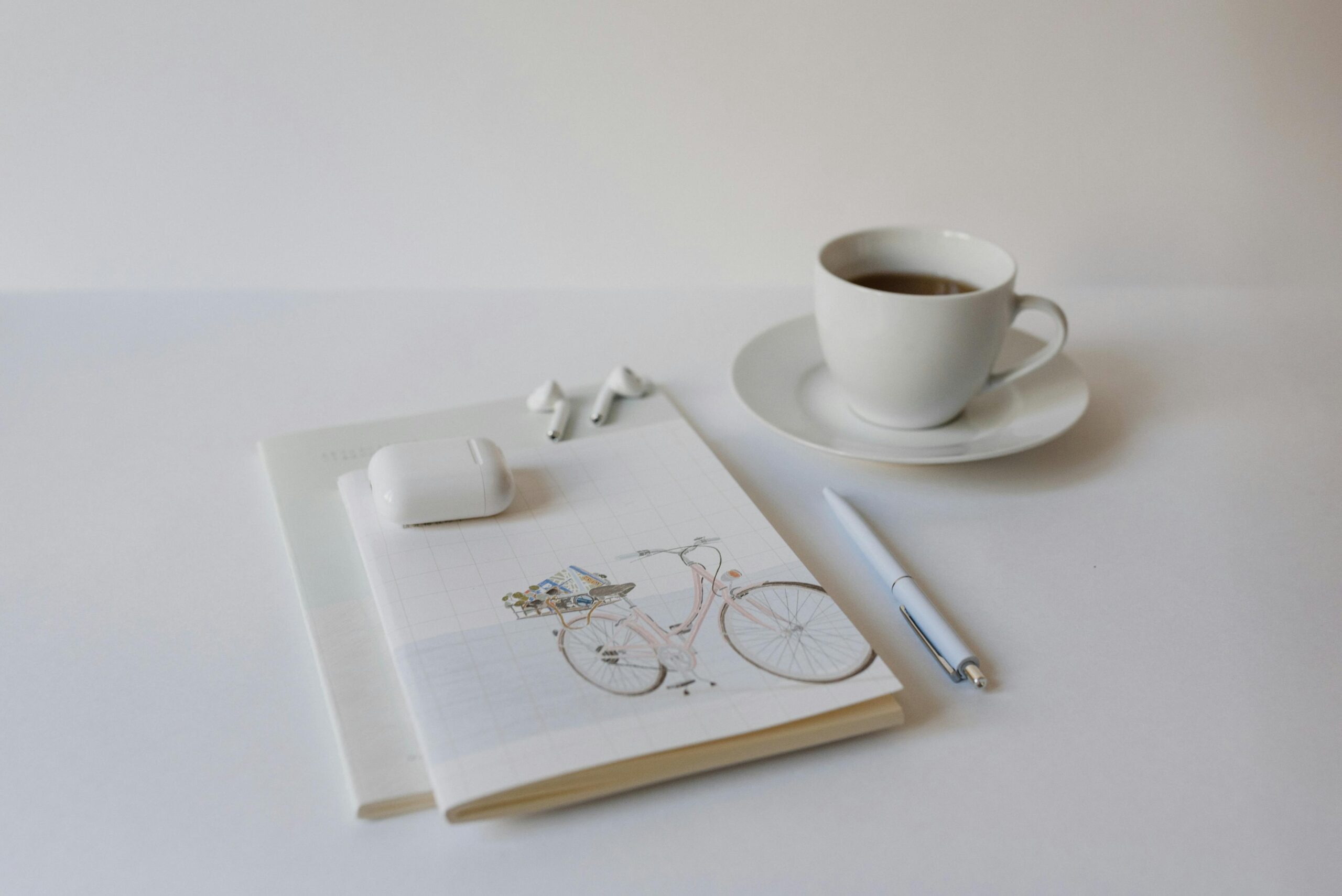
While preparing your morning beverage, engage all your senses. Notice the aroma of coffee or tea, the warmth of the cup in your hands, the sound of liquid pouring. This transforms a mundane activity into a meditation, training your brain to find presence in ordinary moments.
Creating a Mindful Morning Ritual
Consistency builds habits, and habits shape our lives. Consider establishing a morning ritual that includes these elements:
- Five minutes of conscious breathing or meditation before checking devices
- Stretching or gentle movement while focusing on physical sensations
- Setting an intention for the day—a quality you want to embody
- Eating breakfast without distractions, truly tasting your food
- Expressing gratitude for three specific things
These practices don’t require additional time carved from your schedule. Instead, they transform time you’re already spending into opportunities for mindfulness and self-connection.
🧘 Weaving Mindfulness Through Your Workday
The workplace often feels antithetical to calm and balance. Deadlines, meetings, emails, and competing priorities create an environment where stress thrives. Yet this is precisely where mindfulness practices can have the most profound impact.
Micro-practices throughout your workday prevent stress accumulation. Set reminders to pause every hour for three conscious breaths. This simple act interrupts the stress response cycle and brings you back to center. Many people find that these brief pauses actually increase productivity by improving focus and decision-making.
Before important meetings or challenging tasks, take sixty seconds to ground yourself. Close your eyes, feel your feet on the floor, and notice your breath. This creates mental space between you and the situation, allowing you to respond thoughtfully rather than react automatically.
Mindful Technology Use 📱
Technology dominates most work environments, but it can be both tool and trap. Notifications fragment attention and create artificial urgency around matters that rarely require immediate response. Implementing mindful technology practices protects your mental space.
Consider turning off non-essential notifications during focused work periods. Check email at designated times rather than constantly monitoring your inbox. When you do engage with technology, do so intentionally rather than out of habit or anxiety.
Several applications support mindfulness practice by offering guided meditations, breathing exercises, and reminders to pause. Apps like Headspace, Calm, and Insight Timer provide structured programs for beginners and experienced practitioners alike.
For those seeking variety, Insight Timer offers thousands of free guided meditations from teachers worldwide, making it accessible regardless of budget constraints.
Transforming Routine Activities into Mindfulness Practices
One of mindfulness’s greatest gifts is its portability. You can practice anywhere, during any activity. This democratizes the practice, making it accessible even during the busiest days.
Commuting offers perfect opportunities for mindfulness. If you drive, resist the urge to fill silence with music or podcasts. Instead, notice the sensation of your hands on the wheel, the sounds of traffic, the play of light and shadow. If you use public transportation, observe your fellow passengers with compassion rather than judgment, recognizing their shared humanity.
The Art of Mindful Eating 🍽️
Meals provide multiple daily opportunities to practice presence. Most people eat while working, watching screens, or thinking about something else entirely. This disconnection from the eating experience contributes to overeating, poor digestion, and diminished satisfaction.
Mindful eating begins before food reaches your mouth. Notice colors, textures, and aromas. Take smaller bites and chew thoroughly, allowing flavors to fully register. Put down your utensil between bites. Notice when you feel satisfied rather than waiting until you’re uncomfortably full.
This practice transforms eating from mindless consumption into a sensory experience that nourishes both body and mind. Many people discover they enjoy food more while naturally eating less.
🌙 Evening Practices for Restorative Sleep
How you end your day significantly impacts sleep quality and next-day functioning. Evening mindfulness practices help transition from activity to rest, signaling your nervous system that it’s safe to relax.
Create a digital sunset by turning off screens at least one hour before bed. Blue light disrupts melatonin production, but the constant stimulation also keeps your mind activated when it needs to wind down. Replace scrolling with activities that genuinely relax you.
A simple evening practice involves lying in bed and consciously releasing tension from each body part, starting with your toes and moving upward. As you focus on each area, imagine it becoming heavy and relaxed, sinking into the mattress. This practice, progressive muscle relaxation, activates the parasympathetic nervous system and facilitates the transition to sleep.
Gratitude as Gateway to Peace
Before sleep, reflect on your day with compassion. Rather than ruminating on mistakes or worries, identify three positive moments—however small. Perhaps someone smiled at you, you enjoyed a meal, or you handled a difficulty with grace. This gratitude practice rewires your brain to notice positive experiences more readily.
Keep a journal beside your bed specifically for this purpose. The act of writing reinforces the neural pathways associated with positive attention, gradually shifting your default mindset toward appreciation rather than anxiety.
🌸 Breathing Techniques for Immediate Calm
Breath is the most accessible mindfulness tool available. It’s always with you, requires no equipment, and produces measurable physiological changes within seconds. Different breathing patterns create different effects, giving you options for various situations.
The 4-7-8 breath promotes relaxation: Inhale through your nose for four counts, hold for seven, exhale through your mouth for eight. This pattern activates the vagus nerve, telling your body it’s safe to relax. Use it when feeling anxious, before sleep, or anytime you need to downshift.
Box breathing balances your nervous system: Inhale for four counts, hold for four, exhale for four, hold for four. Military personnel and first responders use this technique to maintain calm in high-stress situations.
For quick energy without caffeine, try alternate nostril breathing. Close your right nostril, inhale through the left. Close the left, exhale through the right. Inhale right, exhale left. Continue alternating for several rounds. This practice balances the brain’s hemispheres and increases alertness.
Overcoming Common Mindfulness Obstacles 💪
Many people abandon mindfulness practice because they believe they’re doing it wrong. “My mind won’t stop thinking” is the most common complaint. Here’s the secret: mindfulness isn’t about stopping thoughts—it’s about changing your relationship with them.
Thoughts will arise; that’s what minds do. Mindfulness teaches you to observe thoughts without getting swept away by them. Imagine thoughts as clouds passing through the sky of your awareness. You notice them, but you don’t need to chase them or push them away.
Another obstacle is the belief that you need substantial time for meaningful practice. While longer sessions offer benefits, even sixty seconds of mindful breathing creates positive effects. Start with what feels manageable and build gradually.
When Consistency Feels Challenging
Life inevitably disrupts routines. Rather than viewing missed practices as failures, see them as opportunities to practice self-compassion—itself a form of mindfulness. Progress isn’t linear, and perfection isn’t the goal.
Anchor practices to existing habits for better consistency. Practice mindful breathing while waiting for your computer to start, during your commute, or while water boils. These tiny moments accumulate into significant transformation.
🌟 Measuring Your Mindfulness Journey
Unlike many self-improvement efforts, mindfulness benefits often appear subtly at first. You might notice you’re slightly less reactive during frustrating situations or that you can redirect anxious thoughts more easily. These small shifts indicate that the practice is working.
Track your experience without judgment. Notice patterns: Do you feel calmer on days you practice? Does your sleep improve? Are relationships less strained? This awareness reinforces the connection between practice and benefits, motivating continued effort.
| Practice Duration | Typical Benefits | Signs of Progress |
|---|---|---|
| 1-2 weeks | Improved awareness of thoughts and emotions | Noticing when mind wanders; catching reactive patterns |
| 3-4 weeks | Better stress management; improved sleep | Feeling calmer in challenging situations; falling asleep easier |
| 2-3 months | Enhanced focus; emotional regulation | Completing tasks with less distraction; responding vs. reacting |
| 6+ months | Lasting neurological changes; perspective shifts | Natural mindfulness in daily life; increased compassion and resilience |
Building a Sustainable Practice for Lasting Change
The most powerful mindfulness practice is the one you’ll actually maintain. Rather than adopting an elaborate routine that quickly becomes burdensome, choose simple practices that integrate seamlessly into your existing life.
Start with one practice and do it consistently for at least two weeks before adding another. This builds confidence and establishes neural pathways. Perhaps begin with three mindful breaths each morning, then gradually add evening gratitude reflection, then mindful eating during one meal daily.
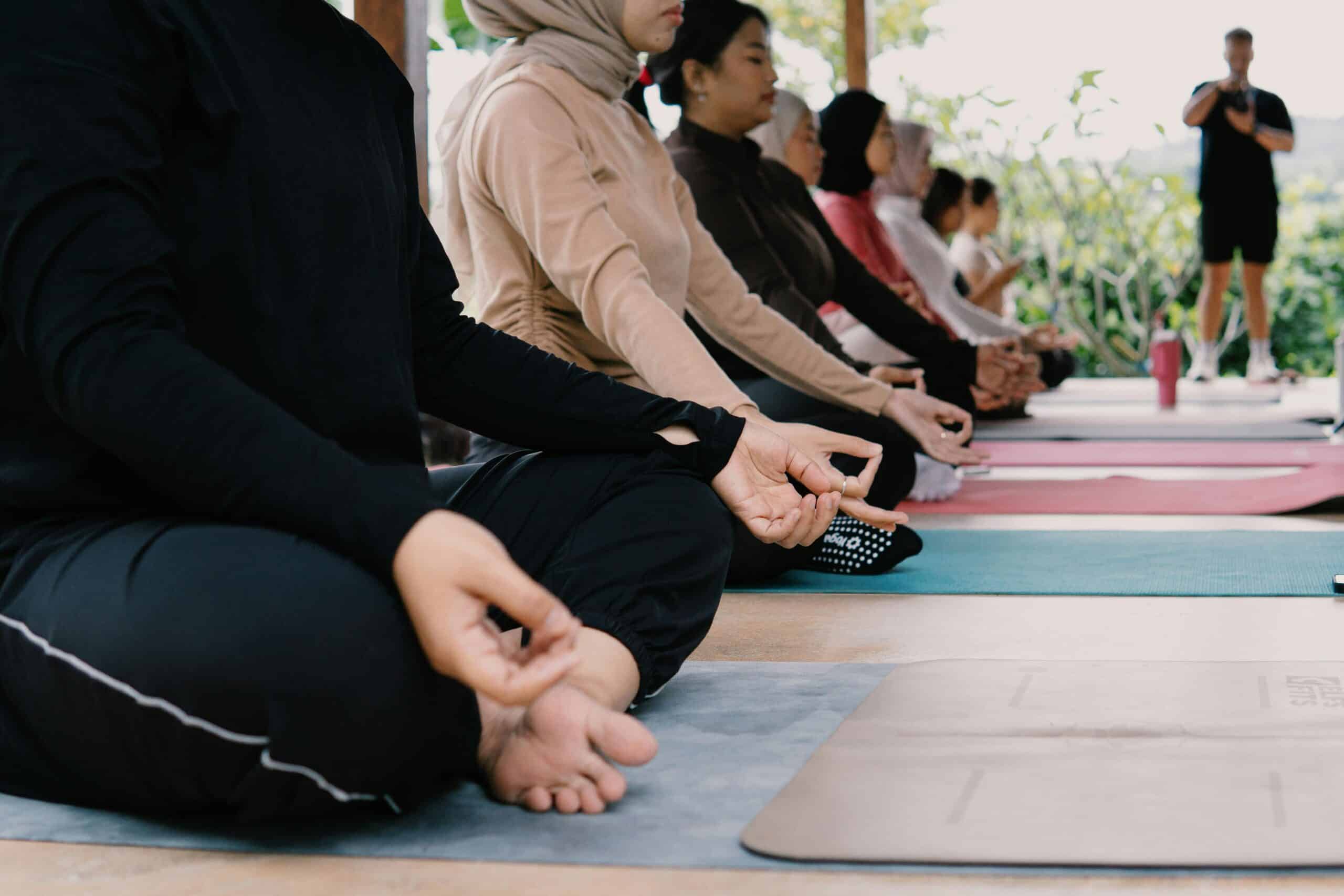
Community support enhances sustainability. Consider joining a local meditation group, taking an online course, or practicing with friends or family. Shared experience normalizes the challenges and celebrates progress.
🎯 Your Invitation to Begin Today
You don’t need to overhaul your entire life to experience mindfulness benefits. You simply need to begin—right now, with this breath. Notice the sensation of air entering and leaving your body. That’s mindfulness. Everything else builds from this fundamental practice of present-moment awareness.
Choose one practice from this article that resonates with you. Commit to trying it for just seven days. Notice what shifts. You might discover that the balance and calm you’ve been seeking aren’t somewhere in the future, requiring perfect conditions. They’re available in this moment, hidden within ordinary experiences, waiting for your attention.
The transformation doesn’t happen because mindfulness changes your circumstances—it happens because mindfulness changes how you meet your circumstances. And that changes everything.
Your daily routine contains countless opportunities for mindfulness practice. Each moment offers a choice: to live on autopilot or to bring conscious awareness to your experience. As you consistently choose awareness, life becomes richer, challenges become more manageable, and you discover a reservoir of peace you didn’t know existed.
Start small, be patient with yourself, and trust the process. The benefits accumulate quietly at first, then suddenly, you’ll notice you’re living differently—with more balance, more calm, and more presence. This is the gift mindfulness offers: not a perfect life, but a fuller experience of the life you’re already living.

Toni Santos is a visual storyteller and sartorial artisan whose work revives the forgotten threads of historical fashion. With a deep fascination for garments lost to time, Toni weaves together art, memory, and material culture to illuminate the styles, symbols, and silent codes once stitched into humanity’s past.
His creative journey is rooted in a passion for clothing as narrative — from ceremonial robes of vanished empires to the subtle embroidery of medieval outcasts, from whispered meanings in Victorian accessories to the ritual adornments of ancient rites. Each piece Toni brings to life is more than aesthetic; it’s an echo of identity, power, belief, and transformation across centuries.
With a background in visual design and handcrafted techniques, Toni blends historical research with creative interpretation. His work reimagines the overlooked: the feathered cloaks, perfumed gloves, symbolic fastenings, and forbidden textiles that once defined entire cultures — now reborn as visual artifacts that speak across time.
As the visionary behind Vizovex, Toni shares stories, artworks, and curated collections that reconnect audiences with the deeper meaning of what we wear — and what clothing reveals when it is finally seen not just as fashion, but as forgotten language.
His work is a tribute to:
The poetry of garments lost in history’s folds
The cultural codes woven into ancient textiles
The beauty of attire as identity, memory, and myth
Whether you’re a fashion historian, a designer seeking timeless inspiration, or simply drawn to the mystery of what people once wore and why, Toni invites you to explore a world where forgotten fashions are revived — one stitch, one silhouette, one story at a time.