In our fast-paced world, finding moments of genuine relaxation has become a rare luxury. Body scan meditation offers a transformative pathway to inner peace and physical restoration.
🧘♀️ Understanding the Fundamentals of Body Scan Meditation
Body scan meditation is a mindfulness practice that systematically guides your attention through different parts of your body, creating a profound connection between mind and physical sensations. This ancient technique, rooted in Buddhist traditions and popularized through modern mindfulness programs, has gained scientific recognition for its remarkable ability to reduce stress, alleviate chronic pain, and promote overall wellbeing.
Unlike other meditation practices that focus primarily on breath or mantras, body scan meditation invites you to become an observer of your physical landscape. You’ll learn to notice tension, discomfort, warmth, coolness, and countless other sensations without judgment or the need to change them. This non-reactive awareness becomes a powerful tool for transformation.
The practice works by activating your parasympathetic nervous system—the body’s natural relaxation response. As you methodically move your attention from one body region to another, you’re essentially training your brain to release accumulated tension and stress. Research from institutions like the University of Massachusetts Medical School has demonstrated that regular body scan practice can significantly improve sleep quality, reduce anxiety symptoms, and enhance emotional regulation.
The Science Behind Body-Mind Connection
Neuroscientific research has revealed fascinating insights into how body scan meditation affects our brain structure and function. Studies using functional MRI technology show that consistent practice increases gray matter density in brain regions associated with learning, memory, and emotional regulation, particularly the hippocampus and prefrontal cortex.
When you engage in body scan meditation, you’re activating the interoceptive network—your brain’s system for perceiving internal bodily states. This heightened interoceptive awareness allows you to detect stress signals earlier and respond more effectively before they escalate into physical symptoms or emotional overwhelm.
The practice also influences your autonomic nervous system balance. Many people live in a chronic state of sympathetic dominance (fight-or-flight mode), which contributes to inflammation, digestive issues, and cardiovascular problems. Body scan meditation helps restore balance by strengthening parasympathetic tone, promoting healing and restoration at the cellular level.
🌟 Preparing Your Space and Mind for Practice
Creating an optimal environment for body scan meditation significantly enhances your experience and results. Choose a quiet space where you won’t be disturbed for at least 20-30 minutes. While silence works beautifully, some practitioners prefer gentle background sounds like nature recordings or soft instrumental music.
Temperature matters more than you might think. Ensure your practice space is comfortably warm, as body temperature naturally drops during deep relaxation. Keep a light blanket nearby to prevent discomfort from cooling down mid-practice.
Lighting should be dim but not completely dark—you want to remain alert rather than drift into sleep. Consider using soft lamplight or practicing during the golden hours of dawn or dusk when natural light has a calming quality.
Selecting Your Position
While body scan meditation is traditionally practiced lying down, you can adapt the position to your needs:
- Supine position: Lying flat on your back with arms resting alongside your body, palms facing up—ideal for deep relaxation
- Reclined position: Propped up with pillows at a 45-degree angle—perfect if lying flat causes discomfort or drowsiness
- Seated position: Sitting upright in a chair with feet flat on the floor—best for maintaining alertness during daytime practice
- Supported side-lying: Lying on your side with a pillow between your knees—excellent for pregnant individuals or those with back issues
Step-by-Step Body Scan Technique for Beginners
Starting your body scan meditation practice doesn’t require special skills or equipment—just your willingness to explore your inner landscape with curiosity and patience. This comprehensive guide will walk you through each stage of the practice.
Initial Settling and Breath Awareness
Begin by assuming your chosen position and taking three deep, cleansing breaths. With each exhale, consciously release tension from your shoulders, jaw, and forehead. Allow your breathing to return to its natural rhythm without forcing or controlling it. Simply observe the gentle rise and fall of your chest and abdomen for two to three minutes.
This initial phase serves as a bridge between your busy external world and the contemplative internal journey you’re about to undertake. Notice sounds around you without getting caught up in them—acknowledge them and let them pass like clouds across the sky.
The Systematic Scan Journey
Now begin directing your attention to your left foot. Notice any sensations present—tingling, warmth, coolness, pressure from the surface beneath you, or perhaps no distinct sensation at all. Each experience is valid. Spend 30-60 seconds with each body region before moving on.
Progress gradually through these areas in sequence:
- Left foot—toes, arch, heel, ankle
- Left lower leg—shin, calf, knee
- Left thigh—front, back, inner, outer
- Right foot through right thigh (same sequence)
- Pelvic region—hips, sitting bones, genitals, buttocks
- Lower back and abdomen—lumbar spine, belly, lower organs
- Upper back and chest—shoulder blades, ribs, heart, lungs
- Both arms simultaneously—shoulders down through fingertips
- Neck and throat—front, sides, back
- Face—jaw, mouth, nose, cheeks, eyes, forehead
- Crown of head and entire scalp
Working with Tension and Discomfort
When you encounter areas of tightness, pain, or discomfort, resist the urge to immediately shift position or push the sensation away. Instead, breathe into these areas with compassionate attention. Imagine your breath as a gentle wave washing over the tension, softening it with each cycle.
If discomfort intensifies or becomes genuinely painful, honor your body’s wisdom by making necessary adjustments. The goal isn’t to endure suffering but to develop a more nuanced relationship with physical sensation.
💡 Advanced Techniques to Deepen Your Practice
Once you’ve established a foundation with basic body scanning, these advanced approaches can enhance your experience and expand the benefits you receive from regular practice.
The Healing Light Visualization
As you scan each body part, visualize a warm, golden light moving with your attention. This light has healing properties—wherever it touches, tension dissolves, inflammation reduces, and cellular regeneration accelerates. Some practitioners assign specific colors to different intentions: blue for cooling inflammation, green for healing, white for purification, or pink for self-compassion.
Gratitude-Infused Scanning
Transform your body scan into a practice of appreciation by offering silent thanks to each body part for its service. Thank your feet for carrying you through life, your heart for its tireless beating, your lungs for nourishing every cell with oxygen. This gratitude-based approach cultivates a more loving relationship with your physical form.
Sensation Exploration and Expansion
Rather than moving quickly through each body region, pause and investigate the subtle qualities of sensation with scientific curiosity. Is the sensation constant or pulsing? Does it have edges or does it fade gradually? What happens when you breathe directly into that area? This micro-level attention develops extraordinary somatic awareness.
Overcoming Common Challenges and Obstacles
Every meditator encounters difficulties—these challenges are not signs of failure but opportunities for growth and learning. Understanding common obstacles helps you navigate them with greater ease and self-compassion.
Falling Asleep During Practice
If you consistently drift into sleep during body scans, you’re likely experiencing sleep debt that needs addressing. Consider practicing at different times of day when you’re more alert, or switch to a seated position. You might also try keeping your eyes slightly open with a soft gaze, which maintains wakefulness while supporting relaxation.
Restlessness and Physical Agitation
Feeling fidgety or restless is extremely common, especially for beginners. This restlessness often represents your nervous system’s habitual preference for stimulation and activity. Rather than fighting it, acknowledge the restlessness with gentle curiosity. Notice where in your body you feel the urge to move. Often, simply observing these impulses without immediately acting on them allows them to naturally dissipate.
Mental Wandering and Distraction
Your mind will wander—this is absolutely guaranteed and completely normal. The practice isn’t about achieving perfect focus but about noticing when attention drifts and gently redirecting it back to the body. Each time you notice distraction and return, you’re actually strengthening your attention muscles, so these moments are successes, not failures.
🎯 Integrating Body Scan into Daily Life
The true power of body scan meditation emerges when you weave it into your everyday routine, creating multiple touchpoints throughout your day for reconnection and renewal.
Morning Awakening Scan
Before getting out of bed, spend five minutes doing a quick body scan. This practice helps you transition mindfully from sleep to wakefulness, checking in with your body’s needs and setting an intentional tone for your day. You might notice stiffness requiring gentle stretching, energy levels that inform your schedule, or emotional states that need acknowledgment.
Midday Reset Practice
Use a abbreviated 10-minute body scan during your lunch break or mid-afternoon slump. This practice counteracts accumulated tension from sitting, screen time, or interpersonal stress. Even a brief scan can significantly refresh your mental clarity and emotional balance for the remainder of your day.
Pre-Sleep Relaxation Ritual
Body scan meditation serves as an excellent sleep preparation practice. By systematically releasing physical tension and quieting mental chatter, you create optimal conditions for restorative sleep. Many people find that bedtime body scans help them fall asleep faster and experience fewer middle-of-the-night awakenings.
Stress Response Intervention
When you notice stress building—perhaps before a difficult conversation, during a challenging work situation, or when feeling overwhelmed—pause for a two-minute body scan. Simply checking in with physical sensations interrupts the stress response cascade and creates space for more skillful reactions.
Tracking Your Progress and Transformations
Documenting your meditation journey helps you recognize subtle changes that might otherwise go unnoticed and maintains motivation during plateaus or challenging periods.
Consider maintaining a simple meditation journal with these elements:
| Journal Element | What to Record | Why It Matters |
|---|---|---|
| Duration | Minutes practiced | Builds consistency and reveals patterns |
| Time of Day | When you practiced | Identifies optimal practice windows |
| Physical Sensations | Notable body experiences | Tracks somatic awareness development |
| Emotional States | Feelings before and after | Demonstrates emotional regulation improvements |
| Challenges | Obstacles encountered | Provides problem-solving opportunities |
| Insights | Realizations or discoveries | Captures transformative moments |
Review your journal monthly to identify progress markers—perhaps you’re experiencing less chronic pain, sleeping more soundly, or responding to stress with greater equanimity. These tangible improvements reinforce your commitment and inspire continued practice.
✨ Amplifying Benefits Through Complementary Practices
Body scan meditation becomes even more powerful when combined with complementary wellness practices that support your overall health and consciousness development.
Yoga and Mindful Movement
Gentle yoga practices naturally complement body scan meditation by increasing somatic awareness and releasing physical restrictions. The combination creates a synergistic effect—yoga prepares your body for deeper meditation, while meditation enhances your ability to remain present during yoga practice.
Breathwork Techniques
Incorporating specific breathing patterns during your body scan amplifies relaxation responses. Try box breathing (inhale for 4 counts, hold for 4, exhale for 4, hold for 4) or extended exhale breathing (inhale for 4, exhale for 6-8) to activate your parasympathetic nervous system more fully.
Progressive Muscle Relaxation
This technique involves deliberately tensing and then releasing muscle groups, which can be integrated into your body scan. As you focus on each area, briefly contract those muscles for 5 seconds, then consciously release. This active engagement often helps people who struggle to relax passively.
Building a Sustainable Long-Term Practice
The meditation practice that transforms your life is the one you actually do consistently—not the most elaborate or lengthy one. Sustainability requires realistic goal-setting, self-compassion, and strategic habit formation.
Start with manageable commitments. Rather than resolving to practice 45 minutes daily (which most people cannot maintain), begin with 10 minutes three times weekly. Success breeds motivation, and small consistent practices create lasting change more effectively than ambitious but unsustainable goals.
Link your meditation practice to existing habits through implementation intentions: “After I brush my teeth in the morning, I will do a 10-minute body scan” or “When I get into bed at night, I will practice for 15 minutes before sleep.” This habit-stacking approach leverages established routines to support new behaviors.
Build flexibility into your practice expectations. Some days you’ll complete a full 30-minute session; other days, three minutes might be your maximum capacity. Both count as practice. The consistency of showing up matters more than duration—even brief check-ins maintain your developing awareness and prevent the complete abandonment that often follows rigid all-or-nothing thinking.
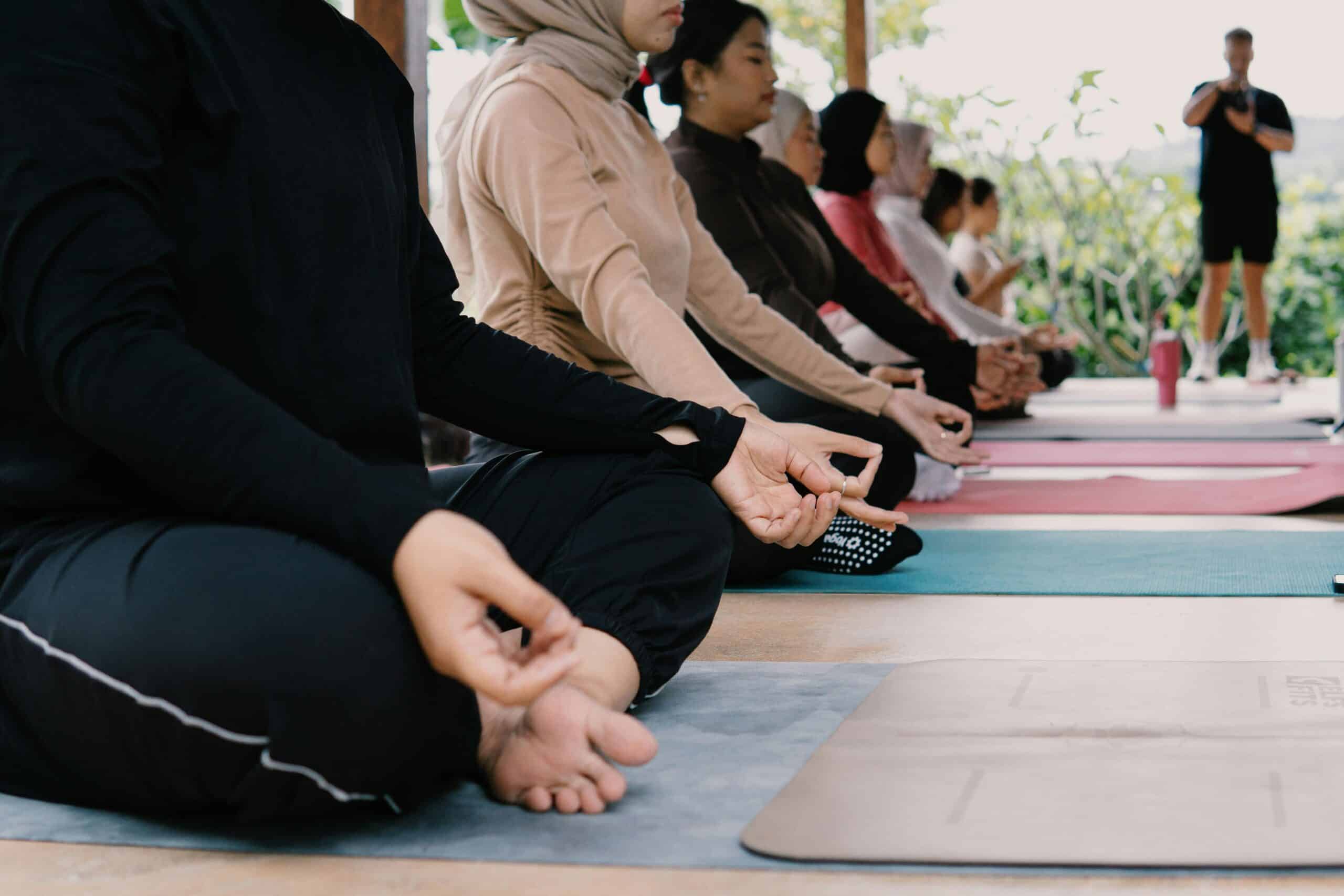
🌈 Experiencing the Ripple Effects of Regular Practice
The benefits of body scan meditation extend far beyond the practice session itself, creating positive changes that ripple through every aspect of your life. Practitioners consistently report enhanced self-awareness, improved emotional intelligence, and greater compassion for themselves and others.
Your relationships often improve as you develop better capacity to remain present with others rather than being hijacked by reactive patterns. The non-judgmental awareness cultivated during body scans translates into more accepting attitudes toward yourself and those around you.
Physical health improvements frequently emerge with consistent practice—reduced blood pressure, improved immune function, better digestion, and decreased chronic pain. These changes occur not through force or willpower but through your body’s natural healing responses when given space and attention.
Perhaps most significantly, regular body scan meditation cultivates an embodied presence—a quality of being fully inhabiting your physical form rather than living exclusively in abstract thought. This embodiment creates authentic confidence, clearer intuition, and a profound sense of coming home to yourself.
Your journey with body scan meditation is uniquely yours, unfolding at its own perfect pace. Each practice session is an opportunity to meet yourself with kindness, curiosity, and patience. As you continue exploring your inner landscape, you’re not just learning a technique—you’re developing a transformative relationship with the miracle of your living, breathing, feeling body that supports you through every moment of existence.

Toni Santos is a visual storyteller and sartorial artisan whose work revives the forgotten threads of historical fashion. With a deep fascination for garments lost to time, Toni weaves together art, memory, and material culture to illuminate the styles, symbols, and silent codes once stitched into humanity’s past.
His creative journey is rooted in a passion for clothing as narrative — from ceremonial robes of vanished empires to the subtle embroidery of medieval outcasts, from whispered meanings in Victorian accessories to the ritual adornments of ancient rites. Each piece Toni brings to life is more than aesthetic; it’s an echo of identity, power, belief, and transformation across centuries.
With a background in visual design and handcrafted techniques, Toni blends historical research with creative interpretation. His work reimagines the overlooked: the feathered cloaks, perfumed gloves, symbolic fastenings, and forbidden textiles that once defined entire cultures — now reborn as visual artifacts that speak across time.
As the visionary behind Vizovex, Toni shares stories, artworks, and curated collections that reconnect audiences with the deeper meaning of what we wear — and what clothing reveals when it is finally seen not just as fashion, but as forgotten language.
His work is a tribute to:
The poetry of garments lost in history’s folds
The cultural codes woven into ancient textiles
The beauty of attire as identity, memory, and myth
Whether you’re a fashion historian, a designer seeking timeless inspiration, or simply drawn to the mystery of what people once wore and why, Toni invites you to explore a world where forgotten fashions are revived — one stitch, one silhouette, one story at a time.