Modern life overwhelms us with constant demands, but discovering effective stress recovery techniques can restore balance, energy, and mental clarity to transform your daily experience.
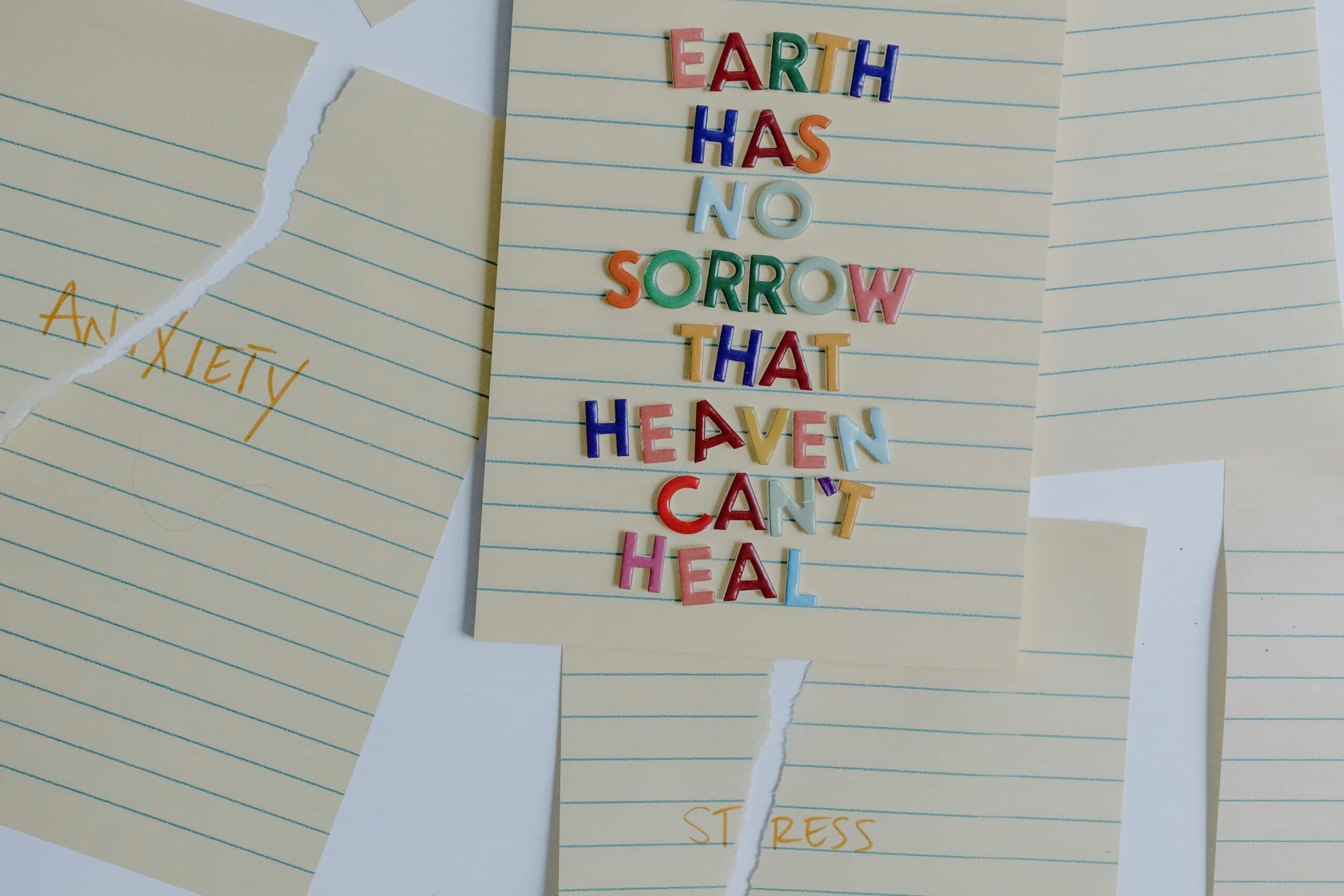
The burden of chronic stress has become an epidemic in our contemporary world. From demanding work schedules to personal obligations, financial pressures, and the relentless pace of digital connectivity, our minds and bodies rarely get the rest they desperately need. This perpetual state of tension doesn’t just affect our mood—it impacts our physical health, relationships, productivity, and overall quality of life.
The good news? Science has identified powerful, proven techniques that can help you recover from stress, rebuild your resilience, and reclaim the calm that leads to a more fulfilling existence. This comprehensive guide explores evidence-based stress recovery methods that address both mind and body, offering you a roadmap to lasting renewal and peace.
🧠 Understanding the Stress Response: Why Recovery Matters
Before diving into recovery techniques, it’s essential to understand what happens when stress takes hold. When you encounter a stressor—whether it’s a looming deadline, traffic jam, or difficult conversation—your body activates its fight-or-flight response. Your adrenal glands release cortisol and adrenaline, your heart rate increases, muscles tense, and non-essential functions like digestion slow down.
This response served our ancestors well when facing immediate physical threats. However, when activated repeatedly without adequate recovery time, chronic stress develops. This prolonged activation wreaks havoc on your system, contributing to anxiety, depression, cardiovascular disease, weakened immunity, digestive problems, and accelerated aging.
Recovery isn’t just about feeling better temporarily—it’s about giving your nervous system the opportunity to return to its baseline state. When you consistently practice stress recovery techniques, you’re essentially retraining your body to respond more appropriately to stressors and bounce back more quickly.
🌬️ Breathwork: Your Most Accessible Recovery Tool
One of the most powerful stress recovery techniques is also the simplest: conscious breathing. Your breath serves as a direct line to your autonomic nervous system, the control center for your body’s stress response.
Slow, deep breathing activates your parasympathetic nervous system—your body’s natural “rest and digest” mode. When you breathe deeply, sending air into your lower lungs, you stimulate the vagus nerve, which signals your brain that it’s safe to relax. This physiological shift happens within minutes, making breathwork an incredibly fast-acting recovery method.
Practical Breathing Techniques for Immediate Relief
The 4-7-8 technique offers a structured approach to stress reduction. Inhale quietly through your nose for four counts, hold your breath for seven counts, then exhale completely through your mouth for eight counts. Repeat this cycle four times. This pattern naturally slows your heart rate and induces a state of calm.
Box breathing, used by Navy SEALs to maintain composure in high-pressure situations, involves inhaling for four counts, holding for four, exhaling for four, and holding empty for four. This creates a balanced, rhythmic pattern that centers your mind and stabilizes your emotions.
Diaphragmatic breathing, or belly breathing, encourages full oxygen exchange and activates your body’s relaxation response. Place one hand on your chest and another on your belly. As you breathe in, ensure your belly rises more than your chest. This indicates you’re engaging your diaphragm properly.
💪 Movement as Medicine: Physical Practices for Mental Recovery
While intense exercise can be beneficial, stress recovery often requires gentler, more mindful movement practices that specifically target tension release and nervous system regulation.
Yoga combines breathwork, physical postures, and meditation to create a comprehensive stress recovery practice. Research consistently shows that regular yoga practice reduces cortisol levels, improves mood, and enhances overall well-being. Restorative yoga, in particular, uses supported poses held for longer periods to encourage deep relaxation and nervous system reset.
Tai chi and qigong, ancient Chinese movement practices, emphasize slow, flowing movements coordinated with breath. These practices have been shown to reduce stress hormones, lower blood pressure, and improve emotional regulation. Their meditative quality helps quiet the racing thoughts that often accompany chronic stress.
The Power of Walking for Mental Clarity
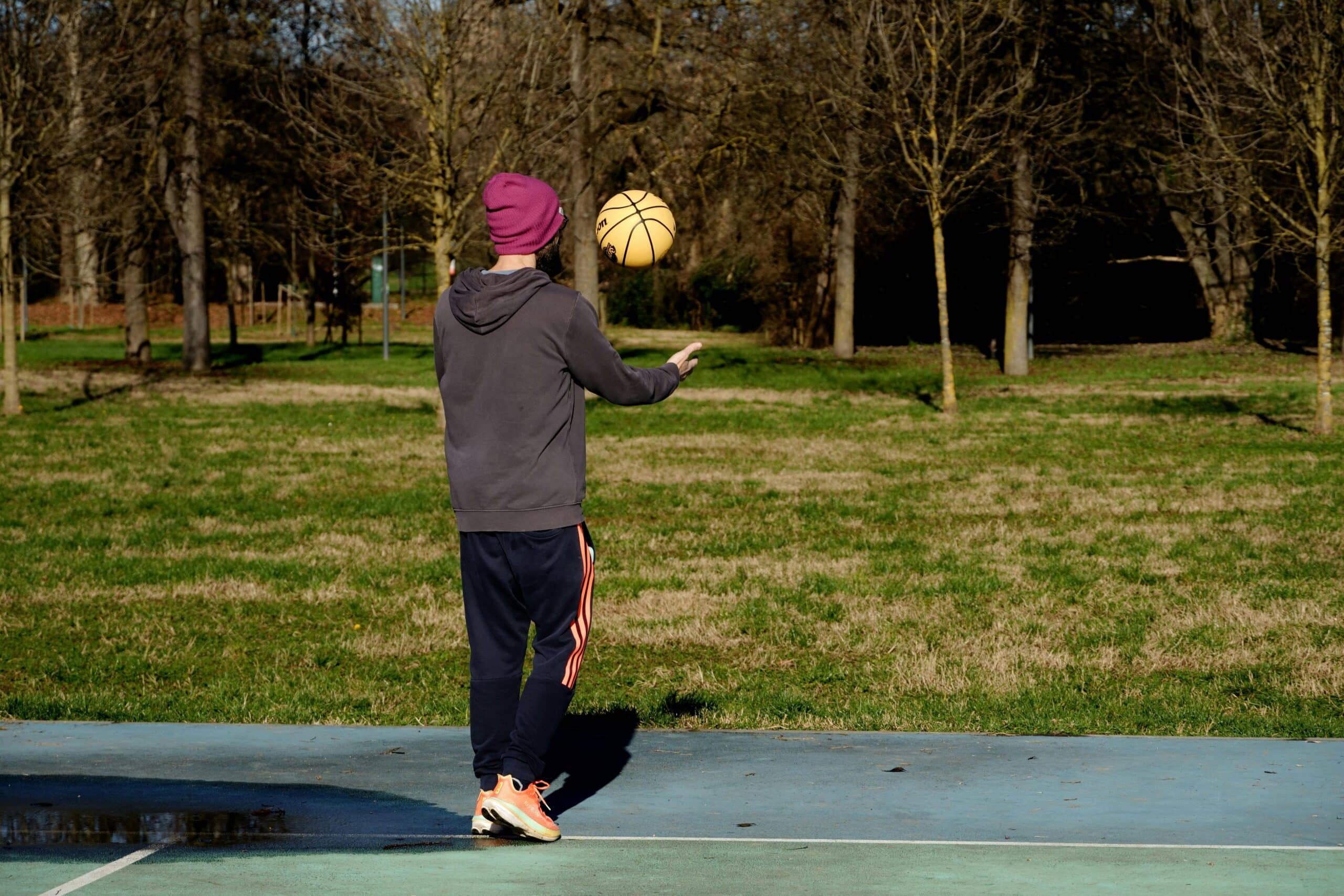
Never underestimate the stress-recovery power of a simple walk. Walking, especially in natural settings, provides multiple benefits simultaneously. It engages your body in gentle physical activity, removes you from stressful environments, offers sensory variety, and creates space for mental processing.
Forest bathing, or shinrin-yoku, is a Japanese practice that involves mindfully walking through wooded areas. Studies have found that spending time among trees reduces cortisol, lowers blood pressure, and improves mood—with effects lasting for days after a single session.
Even a brief 10-minute walk can shift your physiological state. The bilateral movement of walking (left foot, right foot) has been shown to have a calming effect on the nervous system, similar to EMDR therapy used for trauma processing.
🛁 Creating Recovery Rituals: Daily Practices for Lasting Calm
Stress recovery becomes most effective when integrated into your daily routine through consistent rituals. These practices signal to your mind and body that it’s time to shift gears and prioritize restoration.
Morning routines set the tone for your entire day. Instead of immediately checking your phone and flooding your system with information and demands, create a buffer zone. This might include five minutes of stretching, a brief meditation, journaling, or simply enjoying your coffee without distractions. This intentional beginning helps you approach the day from a calmer baseline.
Evening wind-down rituals are equally important. Your body needs clear signals that the day is ending and it’s time to prepare for rest. Dimming lights, limiting screen exposure, taking a warm bath, or practicing gentle stretching all communicate this message to your nervous system.
The Recovery Power of Heat and Cold
Temperature-based therapies offer profound stress recovery benefits. Warm baths with Epsom salts help relax tense muscles and promote the release of tension held in the body. The magnesium in Epsom salts also supports nervous system function and stress reduction.
Conversely, cold exposure through cold showers or ice baths triggers the release of endorphins and norepinephrine, which can improve mood and increase stress resilience. The practice of contrast therapy—alternating between hot and cold—stimulates circulation and provides a powerful reset for your nervous system.
🧘♀️ Meditation and Mindfulness: Training Your Mind to Find Peace
Meditation remains one of the most researched and validated stress recovery techniques available. Contrary to common misconception, meditation isn’t about emptying your mind or achieving some transcendent state—it’s about training your attention and changing your relationship with your thoughts.
Mindfulness meditation involves paying attention to the present moment without judgment. When you notice your mind wandering to stressful thoughts about the past or future, you gently redirect your attention to the present—often using your breath or body sensations as an anchor.
Research shows that regular meditation practice literally changes your brain structure. Studies using MRI scans have found that meditation increases gray matter in areas associated with emotional regulation, self-awareness, and perspective-taking while decreasing activity in the amygdala, your brain’s fear center.
Accessible Meditation Approaches for Beginners
Body scan meditation involves systematically directing attention through different parts of your body, noticing sensations without trying to change them. This practice helps release unconscious tension and develops body awareness—a key component of stress recovery.
Loving-kindness meditation focuses on cultivating feelings of compassion and goodwill toward yourself and others. This practice counteracts the self-criticism and negative thinking patterns that often accompany chronic stress.
Guided visualization uses imagery to create mental states of calm and safety. By vividly imagining peaceful scenarios, you activate the same neural pathways that would fire if you were actually experiencing that environment, triggering corresponding physiological relaxation.
😴 Sleep: The Foundation of All Recovery
No discussion of stress recovery is complete without addressing sleep—the most fundamental recovery mechanism your body possesses. During sleep, your brain processes emotions, consolidates memories, clears metabolic waste, and your body repairs tissues and balances hormones.
Chronic stress disrupts sleep, and poor sleep increases stress sensitivity, creating a vicious cycle. Breaking this pattern requires deliberate sleep hygiene practices. Consistency in sleep and wake times helps regulate your circadian rhythm, making it easier to fall asleep and wake refreshed.
Your sleep environment significantly impacts recovery quality. A cool, dark, quiet room signals to your body that it’s time for deep rest. Blackout curtains, white noise machines, and comfortable bedding aren’t luxuries—they’re recovery tools.
Pre-Sleep Practices for Deeper Rest
The hour before bed should be treated as sacred recovery time. Blue light from screens suppresses melatonin production, so limiting device use is crucial. If you must use screens, enable blue light filters or wear blue-blocking glasses.
Progressive muscle relaxation—systematically tensing and releasing muscle groups—helps release physical tension accumulated throughout the day. This practice signals to your nervous system that it’s safe to let go and rest.
Reading physical books, listening to calming music, or practicing gentle stretching all serve as effective transitions into sleep. These activities engage your mind enough to prevent rumination while being calming enough to facilitate rest.
🥗 Nutritional Support for Stress Recovery
What you eat profoundly influences your body’s ability to recover from stress. Chronic stress depletes certain nutrients, and nutrient deficiencies can worsen stress symptoms, creating another problematic cycle.
Magnesium, often called nature’s relaxation mineral, plays a crucial role in nervous system function and stress response regulation. Dark leafy greens, nuts, seeds, and whole grains provide excellent sources. B-complex vitamins support energy production and neurotransmitter synthesis. Omega-3 fatty acids from fatty fish, flaxseeds, and walnuts reduce inflammation and support brain health.
Blood sugar stability is critical for stress management. When blood sugar crashes, your body releases cortisol and adrenaline to raise it back up—mimicking a stress response. Eating balanced meals with protein, healthy fats, and complex carbohydrates prevents these rollercoaster fluctuations.
Stress-Reducing Foods and Beverages
Certain foods contain compounds that directly support stress recovery. Dark chocolate (70% cacao or higher) contains flavonoids that lower cortisol. Green tea provides L-theanine, an amino acid that promotes relaxation without drowsiness. Fermented foods support gut health, and emerging research shows strong connections between gut bacteria and mental health.
Hydration deserves special mention. Even mild dehydration increases cortisol production and impairs cognitive function. Keeping water intake consistent throughout the day supports all recovery processes.
🤝 Social Connection: The Underrated Recovery Tool
Human beings are inherently social creatures, and meaningful connection serves as a powerful buffer against stress. When you feel supported, understood, and connected, your nervous system receives powerful signals of safety.
Quality matters more than quantity in social connections. A few close relationships where you feel truly seen and accepted provide more stress protection than numerous superficial interactions. Sharing your struggles with trusted others reduces the burden of stress and often provides new perspectives on challenging situations.
Even brief positive interactions can shift your physiological state. A genuine conversation with a neighbor, a text exchange with a friend, or time spent with a pet all activate oxytocin release—a hormone that counteracts stress hormones and promotes feelings of calm and connection.
📱 Digital Boundaries: Protecting Your Mental Space
Our constant connectivity represents a modern stressor that previous generations never faced. The endless stream of information, notifications, and social comparison opportunities keeps your nervous system in a perpetual state of alertness.
Creating digital boundaries is essential for stress recovery. Designated phone-free times—during meals, the first hour after waking, and the last hour before bed—create space for your nervous system to settle. Turning off non-essential notifications eliminates the constant interruption pattern that fragments attention and maintains stress.
Curating your digital environment also matters. Unfollowing accounts that trigger comparison or anxiety, limiting news consumption, and choosing uplifting content all reduce the stress load your mind carries.
✨ Building Your Personal Stress Recovery Plan
The most effective stress recovery approach is personalized. What works brilliantly for one person might feel ineffective or even stressful for another. The key is experimenting with different techniques and paying attention to how your body and mind respond.
Start small and build gradually. Trying to overhaul your entire life overnight typically leads to overwhelm—the opposite of recovery. Choose one or two techniques that resonate with you and commit to practicing them consistently for at least two weeks before adding more.
Track your progress without judgment. Notice patterns in what helps you feel calmer, what situations trigger stress responses, and how different recovery practices affect your energy, mood, and resilience. This awareness builds over time and helps you refine your approach.
When to Seek Professional Support
While these techniques are powerful, they’re not substitutes for professional help when needed. If stress has progressed to clinical anxiety or depression, if you’re experiencing physical symptoms that concern you, or if stress is significantly impairing your functioning, working with a therapist, counselor, or healthcare provider is essential.
Professional support isn’t a sign of weakness—it’s a wise investment in your recovery. Therapists can provide specialized techniques like cognitive-behavioral therapy, EMDR, or somatic experiencing that target specific stress-related patterns.
🌅 Embracing the Journey: Stress Recovery as a Lifestyle
Transforming your life through stress recovery isn’t a destination you reach—it’s an ongoing practice of choosing calm, prioritizing renewal, and responding to life’s challenges from a place of groundedness rather than reactivity.
As you implement these techniques, remember that recovery isn’t linear. Some days will feel easier than others. Some practices will resonate deeply while others don’t click. This variability is normal and expected. The goal isn’t perfection but consistent return to practices that support your well-being.
The cumulative effect of small, consistent recovery practices creates profound transformation over time. Each moment you choose to breathe deeply, move mindfully, connect authentically, or rest adequately sends powerful signals to your nervous system that you’re safe, supported, and capable of handling life’s demands.
Your capacity for calm exists within you right now. These stress recovery techniques simply help you access and cultivate it. By committing to this journey of mind and body renewal, you’re not just managing stress—you’re reclaiming your vitality, clarity, and joy. The power of calm isn’t something you need to search for externally; it’s something you unlock from within, one intentional practice at a time.

Toni Santos is a visual storyteller and sartorial artisan whose work revives the forgotten threads of historical fashion. With a deep fascination for garments lost to time, Toni weaves together art, memory, and material culture to illuminate the styles, symbols, and silent codes once stitched into humanity’s past.
His creative journey is rooted in a passion for clothing as narrative — from ceremonial robes of vanished empires to the subtle embroidery of medieval outcasts, from whispered meanings in Victorian accessories to the ritual adornments of ancient rites. Each piece Toni brings to life is more than aesthetic; it’s an echo of identity, power, belief, and transformation across centuries.
With a background in visual design and handcrafted techniques, Toni blends historical research with creative interpretation. His work reimagines the overlooked: the feathered cloaks, perfumed gloves, symbolic fastenings, and forbidden textiles that once defined entire cultures — now reborn as visual artifacts that speak across time.
As the visionary behind Vizovex, Toni shares stories, artworks, and curated collections that reconnect audiences with the deeper meaning of what we wear — and what clothing reveals when it is finally seen not just as fashion, but as forgotten language.
His work is a tribute to:
The poetry of garments lost in history’s folds
The cultural codes woven into ancient textiles
The beauty of attire as identity, memory, and myth
Whether you’re a fashion historian, a designer seeking timeless inspiration, or simply drawn to the mystery of what people once wore and why, Toni invites you to explore a world where forgotten fashions are revived — one stitch, one silhouette, one story at a time.