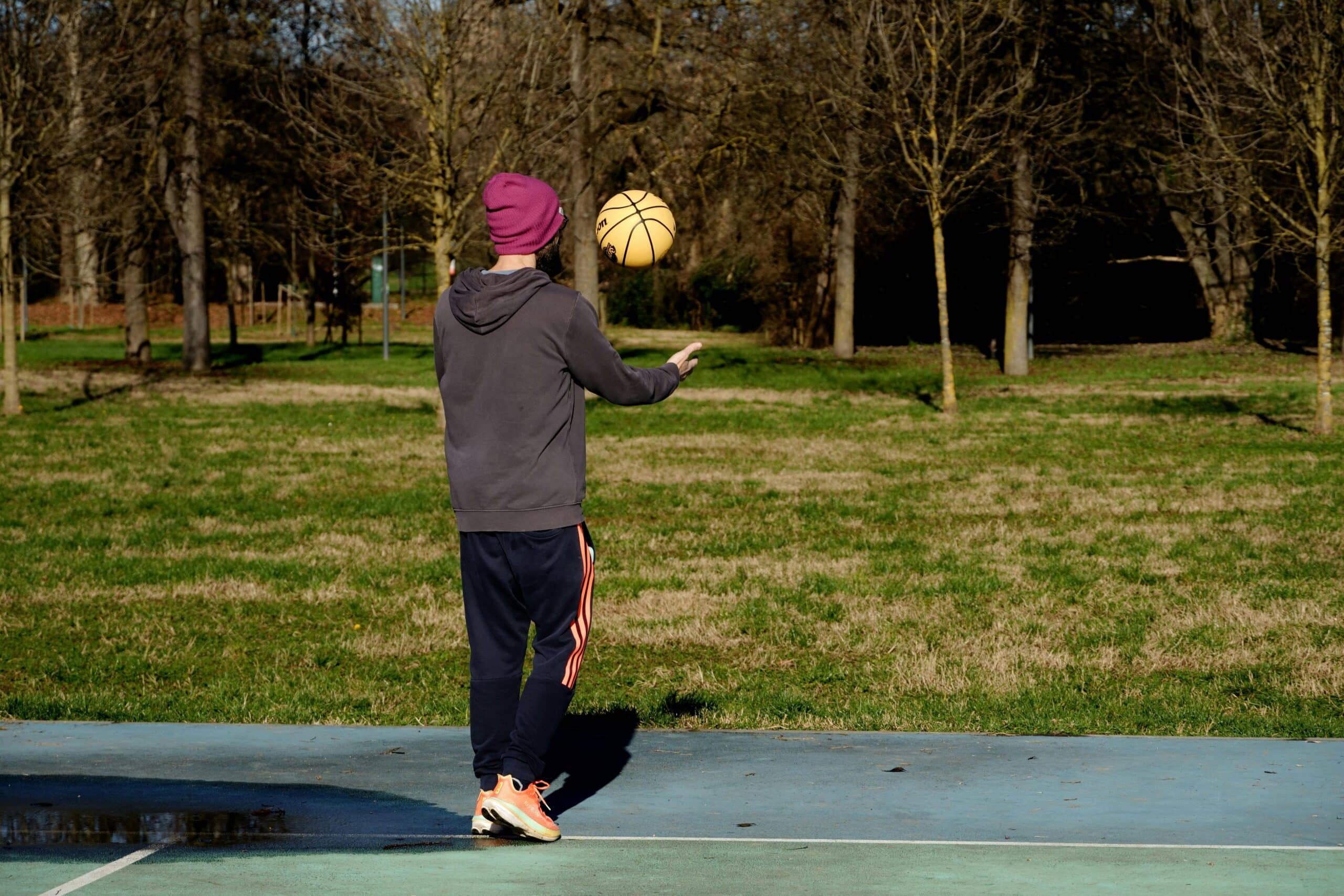
Building resilience isn’t about surviving storms—it’s about learning to dance in the rain while constructing an unshakeable foundation for your future.
In today’s rapidly changing world, the ability to bounce back from setbacks, adapt to challenges, and maintain mental fortitude has become more valuable than ever. Resilience isn’t an innate trait reserved for the lucky few; it’s a skill that can be cultivated through intentional, consistent habits practiced over time. This comprehensive guide will walk you through the science-backed strategies and actionable steps needed to develop lasting strength through powerful long-term habits.
🌱 Understanding the True Nature of Resilience
Resilience represents far more than simply enduring hardship. It embodies the capacity to recover quickly from difficulties, to adapt in the face of adversity, and to grow stronger through challenging experiences. Think of resilience as a muscle that strengthens with consistent exercise rather than a fixed characteristic you’re born with or without.
Research from leading psychologists demonstrates that resilient individuals share common patterns in their thinking, behavior, and daily routines. These patterns aren’t random—they’re deliberate habits formed through repetition and conscious effort. The good news? Anyone can develop these same patterns regardless of their starting point.
The neuroscience behind habit formation reveals that our brains are remarkably plastic, capable of rewiring themselves throughout our lives. When we repeat behaviors consistently, we create neural pathways that make those behaviors increasingly automatic. This neuroplasticity forms the foundation for building resilience through sustainable habits.
The Foundation: Core Principles of Resilience-Building Habits
Before diving into specific habits, it’s essential to understand the underlying principles that make them effective. Successful long-term habits share several characteristics that distinguish them from fleeting attempts at self-improvement.
Consistency Trumps Intensity
Many people approach resilience-building with an all-or-nothing mindset, attempting dramatic transformations overnight. This approach inevitably leads to burnout and abandonment. Instead, small, consistent actions performed daily create compound effects that transform your mental and emotional landscape over time.
Consider the difference between exercising intensely once a month versus walking for 20 minutes daily. The latter, though less dramatic, produces far superior results through accumulation. The same principle applies to resilience habits—modest daily practices outperform sporadic heroic efforts.
Integration Over Addition
Rather than viewing resilience habits as extra tasks to squeeze into an already packed schedule, the most successful approach involves integrating them into existing routines. This technique, known as habit stacking, leverages established behaviors as triggers for new ones, significantly increasing adherence rates.
💪 Essential Long-Term Habits for Unshakeable Resilience
The Morning Mental Foundation Ritual
How you begin your day sets the tone for everything that follows. Resilient individuals rarely start their mornings reactively, immediately checking emails or scrolling through social media. Instead, they claim the first moments of consciousness to establish mental clarity and emotional equilibrium.
A powerful morning ritual might include five to ten minutes of mindfulness meditation, three pages of stream-of-consciousness journaling, or a brief gratitude practice. These activities aren’t luxuries—they’re investments in your psychological infrastructure that pay dividends throughout challenging days.
The key is choosing practices that resonate with your personality and lifestyle, then protecting them as non-negotiable appointments with yourself. Start with just five minutes if necessary; consistency matters infinitely more than duration in the early stages of habit formation.
Physical Movement as Emotional Regulation
The mind-body connection in resilience cannot be overstated. Regular physical activity fundamentally alters your brain chemistry, increasing production of brain-derived neurotrophic factor (BDNF), which supports the growth of new neural connections and improves mood regulation.
You don’t need intense workouts to reap these benefits. A 30-minute daily walk, a gentle yoga session, or bodyweight exercises at home all contribute to building physical and mental resilience. The specific activity matters less than establishing the habit of moving your body intentionally each day.
Exercise serves another crucial function in resilience-building: it provides regular, manageable challenges that train your nervous system to handle stress more effectively. Each time you push through mild physical discomfort, you strengthen your capacity to persist through other forms of difficulty.
Strategic Social Connection
Isolation erodes resilience while meaningful connection strengthens it. However, not all social interaction contributes equally to your resilience reserves. The habit to cultivate involves regular, intentional engagement with people who energize rather than drain you.
Schedule weekly check-ins with friends or family members who provide genuine support. Join communities centered around shared interests or values. Contribute to others through volunteering or mentorship. These connections form a support network that becomes invaluable during difficult periods.
Equally important is the habit of setting boundaries with relationships that consistently deplete your emotional resources. Resilience requires protecting your energy as carefully as you invest it, which sometimes means limiting exposure to negative influences.
🧠 Cognitive Habits That Build Mental Fortitude
Reframing as a Daily Practice
Resilient individuals habitually reframe challenges as opportunities for growth rather than insurmountable obstacles. This isn’t toxic positivity—it’s a realistic acknowledgment that difficulties often contain hidden benefits or lessons, even when they’re genuinely painful.
Develop the daily habit of identifying at least one alternative perspective on any frustrating situation you encounter. Ask yourself: “What might I learn from this? How might this challenge make me stronger? What opportunities might arise from this difficulty?” This cognitive flexibility becomes automatic with practice.
The Self-Compassion Checkpoint
Self-criticism often masquerades as motivation, but research consistently shows it undermines resilience. Building the habit of self-compassion—treating yourself with the same kindness you’d offer a struggling friend—dramatically improves your ability to recover from setbacks.
Create a daily checkpoint, perhaps during your evening routine, where you consciously acknowledge your efforts regardless of outcomes. Notice when your inner dialogue becomes harsh, then deliberately soften it. This practice doesn’t excuse genuine mistakes; it simply removes the additional burden of self-flagellation that prevents productive problem-solving.
⏰ Time Management Habits for Sustained Energy
Resilience requires energy reserves. Poor time management creates chronic stress and exhaustion that erode your capacity to handle additional challenges. Developing habits that protect your time and energy becomes essential for long-term resilience.
The Power of Strategic Breaks
Working without breaks doesn’t demonstrate dedication—it demonstrates poor resource management. Implement the habit of taking regular breaks throughout your day, even brief ones. The Pomodoro Technique, which involves 25-minute focus periods followed by 5-minute breaks, provides one effective framework.
During breaks, completely disengage from work. Step outside, stretch, chat with a colleague, or simply stare out a window. These micro-recoveries prevent the accumulation of mental fatigue that makes you vulnerable to stress.
Evening Wind-Down Rituals
Quality sleep forms the bedrock of resilience, yet many people treat bedtime as whatever happens when they finally collapse from exhaustion. Create an intentional wind-down routine beginning 60-90 minutes before your target sleep time.
This might include dimming lights, putting away electronic devices, reading physical books, gentle stretching, or sipping herbal tea. The specific activities matter less than the consistency of signaling to your nervous system that it’s time to transition from active engagement to restoration.
📊 Tracking Progress Without Obsession
Measurement provides valuable feedback on your habit development without becoming an end in itself. Consider implementing a simple tracking system that acknowledges completion of key resilience habits without creating additional stress.
A basic habit tracker—whether digital or paper-based—allows you to visualize consistency over time. Seeing an unbroken chain of daily practice provides motivation during moments when you’re tempted to skip. However, avoid perfectionism; missing occasional days doesn’t negate your progress if you resume immediately.
| Habit Category | Example Practice | Minimum Duration | Frequency |
|---|---|---|---|
| Morning Mindfulness | Meditation or journaling | 5 minutes | Daily |
| Physical Movement | Walking or exercise | 20 minutes | Daily |
| Social Connection | Meaningful conversation | 15 minutes | 3-4 times weekly |
| Cognitive Reframing | Perspective shifting | 5 minutes | As needed |
| Evening Wind-Down | Screen-free relaxation | 30 minutes | Daily |
🚀 Overcoming Common Obstacles in Habit Formation
The Motivation Myth
Waiting for motivation before taking action represents one of the most common barriers to building lasting habits. Resilient individuals understand that motivation follows action rather than preceding it. Start your habit even when you don’t feel like it—especially when you don’t feel like it.
On difficult days, employ the two-minute rule: commit to just two minutes of your intended habit. Often, starting creates momentum that carries you through the full practice. Even when it doesn’t, those two minutes still reinforce the neural pathway you’re developing.
Environmental Design
Your environment exerts tremendous influence over your behavior, often unconsciously. Rather than relying solely on willpower, design your surroundings to make resilience habits easier and competing behaviors harder.
Place your meditation cushion where you’ll see it first thing in the morning. Keep exercise clothes laid out the night before. Store your phone outside your bedroom to protect your sleep and morning routine. Remove visible triggers for habits that undermine resilience. These environmental adjustments reduce friction for positive behaviors while increasing it for negative ones.
🌟 Advanced Strategies for Resilience Mastery
Embracing Voluntary Discomfort
Once basic resilience habits become established, consider periodically engaging in voluntary challenges that stretch your comfort zone. This might include cold showers, intermittent fasting, or tackling projects that intimidate you. These experiences train your nervous system to handle discomfort more effectively.
The principle underlying this practice involves expanding your window of tolerance—the range of experiences you can navigate while remaining regulated. Small, controlled doses of discomfort gradually increase this range, making you less reactive to unexpected stressors.
Learning From Failure Deliberately
Resilience isn’t built through success alone but through extracting lessons from failure. Develop the habit of conducting regular “failure analyses” where you examine setbacks with curiosity rather than judgment. What circumstances contributed to the outcome? What was within your control? What will you do differently next time?
This practice transforms failures from sources of shame into valuable data points that inform future decisions. The habit of learning from mistakes becomes itself a form of resilience, ensuring that difficulties contribute to your growth rather than simply causing pain.
Creating Your Personal Resilience Blueprint
While this article provides a comprehensive framework, sustainable resilience requires customization. Your unique circumstances, personality, and challenges demand a personalized approach to habit formation.
Begin by selecting just two or three habits from those discussed—attempting too many simultaneously guarantees failure. Focus on practices that address your specific vulnerabilities. If you struggle with anxiety, prioritize mindfulness and physical movement. If isolation challenges you, emphasize social connection habits.
Commit to these chosen habits for at least 90 days before evaluating their effectiveness. This duration allows sufficient time for neural pathways to solidify and benefits to become apparent. Track your adherence simply, celebrate small wins, and adjust your approach based on honest self-assessment.
🎯 The Compound Effect of Daily Practice
The transformation that occurs through consistent resilience habits rarely feels dramatic in the moment. Days blend together, each one seemingly indistinguishable from the last. Yet the cumulative effect over months and years proves profound.
Imagine two individuals facing similar challenges. One has spent years building resilience through daily habits—meditation, exercise, reframing, connection, and rest. The other has neglected these practices. When crisis strikes, the first person draws from deep reserves of mental and emotional strength, recovering relatively quickly. The second becomes overwhelmed, requiring far longer to regain equilibrium.
The difference between these outcomes isn’t innate toughness or luck—it’s the compound interest earned through consistent deposits into your resilience account. Small daily investments accumulate into substantial resources that carry you through life’s inevitable difficulties.

Living Resilience as Identity
The ultimate goal of building resilience through long-term habits involves a fundamental shift in self-perception. Rather than viewing yourself as someone trying to become more resilient, you gradually become someone who simply is resilient—not because you never struggle, but because you’ve developed reliable systems for navigating struggle.
This identity shift occurs naturally as your habits solidify. You stop needing external motivation because the practices have become integral to who you are. You don’t debate whether to meditate or exercise any more than you debate whether to brush your teeth. These behaviors simply represent how you care for yourself.
When resilience becomes woven into your identity rather than remaining an aspirational quality, you unlock a form of lasting strength that external circumstances cannot diminish. Challenges still arise, setbacks still occur, and pain still visits—but your core stability remains intact, providing the foundation from which you continue building the life you envision.
The journey to unshakeable resilience begins not with a dramatic transformation but with a simple decision: today, you will take one small step toward the person you’re becoming. Tomorrow, you’ll take another. And through the accumulation of these unremarkable daily choices, you’ll construct something truly remarkable—a version of yourself capable of weathering any storm while continuing to grow stronger. The art of building resilience isn’t found in grand gestures but in the quiet consistency of powerful habits practiced over time. Your future self, standing firm amid challenges that would have once overwhelmed you, will thank you for starting today.

Toni Santos is a visual storyteller and sartorial artisan whose work revives the forgotten threads of historical fashion. With a deep fascination for garments lost to time, Toni weaves together art, memory, and material culture to illuminate the styles, symbols, and silent codes once stitched into humanity’s past.
His creative journey is rooted in a passion for clothing as narrative — from ceremonial robes of vanished empires to the subtle embroidery of medieval outcasts, from whispered meanings in Victorian accessories to the ritual adornments of ancient rites. Each piece Toni brings to life is more than aesthetic; it’s an echo of identity, power, belief, and transformation across centuries.
With a background in visual design and handcrafted techniques, Toni blends historical research with creative interpretation. His work reimagines the overlooked: the feathered cloaks, perfumed gloves, symbolic fastenings, and forbidden textiles that once defined entire cultures — now reborn as visual artifacts that speak across time.
As the visionary behind Vizovex, Toni shares stories, artworks, and curated collections that reconnect audiences with the deeper meaning of what we wear — and what clothing reveals when it is finally seen not just as fashion, but as forgotten language.
His work is a tribute to:
The poetry of garments lost in history’s folds
The cultural codes woven into ancient textiles
The beauty of attire as identity, memory, and myth
Whether you’re a fashion historian, a designer seeking timeless inspiration, or simply drawn to the mystery of what people once wore and why, Toni invites you to explore a world where forgotten fashions are revived — one stitch, one silhouette, one story at a time.