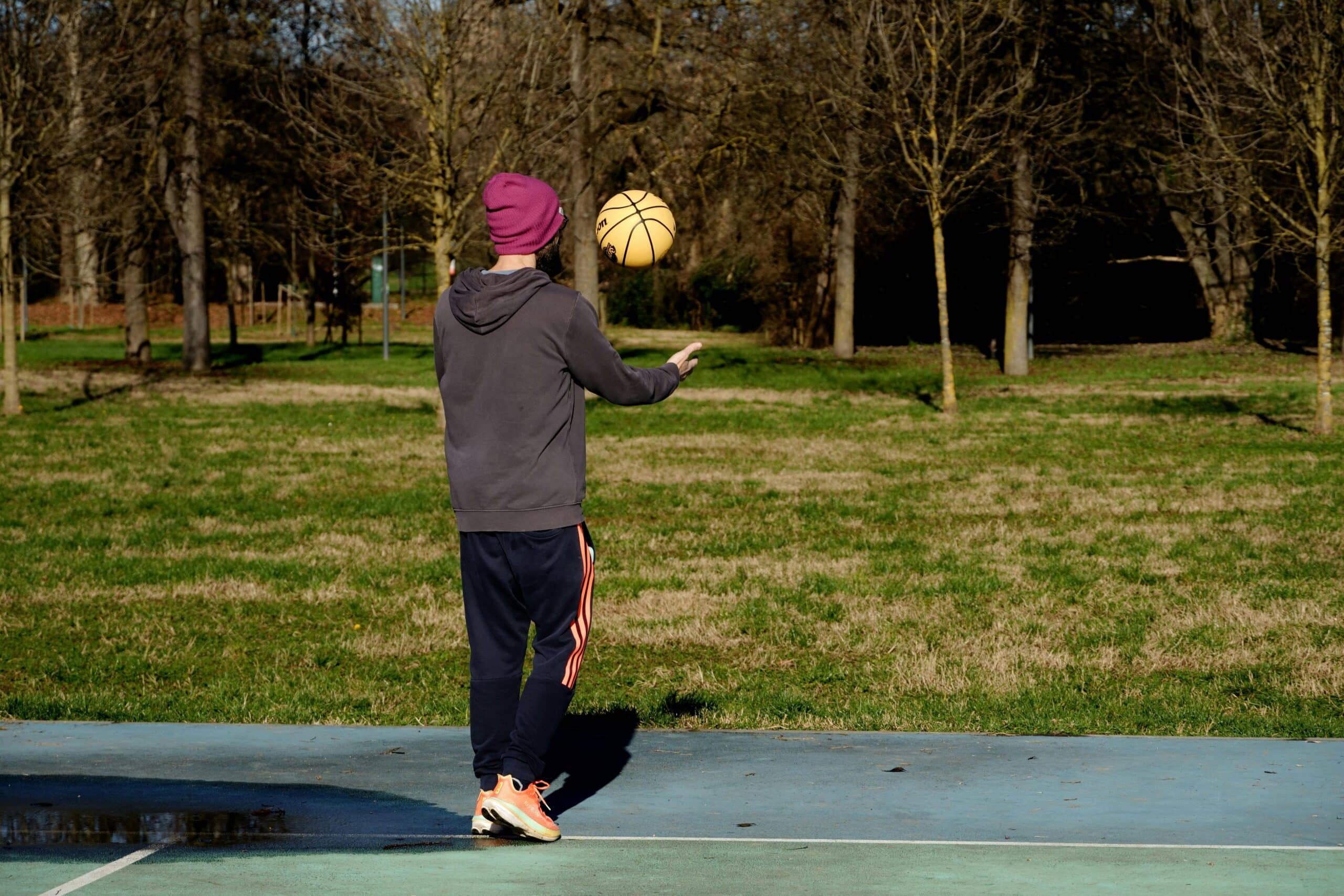
Stress isn’t the enemy we’ve been taught to avoid—it’s the catalyst for building unshakeable mental and physical resilience when approached correctly.
Modern society treats stress as a disease to be eradicated, something to escape through meditation apps, vacation days, or pharmaceutical interventions. Yet emerging research reveals a paradox: controlled exposure to stress actually strengthens our capacity to handle life’s challenges. This isn’t about glorifying burnout or toxic hustle culture—it’s about understanding the biological mechanisms that transform pressure into personal power.
The difference between those who crumble under adversity and those who emerge stronger lies not in avoiding stress, but in harnessing it. Athletes understand this principle intimately. Every workout deliberately damages muscle fibers, triggering repair processes that build greater strength. The same principle applies to psychological resilience, emotional regulation, and cognitive performance.
🧬 The Science Behind Stress-Induced Growth
Your body doesn’t distinguish between physical and psychological stressors at the cellular level. When you encounter challenges—whether lifting weights, public speaking, or managing difficult conversations—your system releases cortisol, adrenaline, and other stress hormones. These chemicals aren’t inherently harmful; they’re adaptive responses designed to help you perform under pressure.
The concept scientists call “hormesis” describes how moderate stressors trigger beneficial adaptations. Small doses of stress activate cellular repair mechanisms, enhance mitochondrial function, and strengthen neural pathways. This biological response explains why intermittent fasting, cold exposure, and high-intensity exercise produce health benefits despite being temporarily uncomfortable.
Research from Stanford University demonstrates that mindset fundamentally alters how stress affects your body. Participants who viewed stress as enhancing rather than debilitating showed improved cardiovascular responses, better focus, and reduced anxiety symptoms. Their biochemistry literally changed based on their interpretation of pressure situations.
The Inverted U-Curve of Performance
Not all stress produces growth. The Yerkes-Dodson law illustrates how performance increases with physiological or mental arousal—but only to a point. Too little stress leaves you unmotivated and stagnant. Excessive stress overwhelms your capacity and triggers destructive responses. The sweet spot lies in the middle: enough challenge to stimulate adaptation without exceeding recovery capacity.
Elite performers across domains—from Olympic athletes to Navy SEALs to Fortune 500 executives—intuitively understand this balance. They deliberately seek challenges slightly beyond their current abilities, creating what psychologists call “optimal anxiety.” This zone pushes boundaries without breaking the person attempting to expand them.
💪 Building Physical Resilience Through Strategic Stress
Your body becomes what you repeatedly ask it to do. Consistent exposure to physical stressors creates adaptations that increase strength, endurance, and durability. The key lies in progressive overload—gradually increasing demands over time while allowing adequate recovery.
Strength training provides the clearest example. When you lift weights heavy enough to challenge your muscles, you create microscopic tears in muscle tissue. Your body responds by repairing these tears with additional protein, building larger, stronger fibers. Without the initial stress, no adaptation occurs. Without recovery time, damage accumulates faster than repair.
Cardiovascular Conditioning and Metabolic Flexibility
High-intensity interval training applies similar principles to cardiovascular fitness. Brief periods of maximum effort followed by recovery intervals teach your heart, lungs, and metabolic systems to handle intense demands. Over time, your resting heart rate decreases, VO2 max increases, and you develop greater capacity for sustained exertion.
Cold exposure represents another powerful physical stressor. Regular cold showers or ice baths activate brown adipose tissue, improve insulin sensitivity, and strengthen immune function. The discomfort triggers adaptive responses that enhance temperature regulation and stress tolerance. Athletes recovering from training use deliberate cold exposure to reduce inflammation and accelerate healing.
Sleep restriction—though generally harmful when chronic—can build resilience when applied strategically. Military training programs use controlled sleep deprivation to teach personnel how to maintain cognitive function under extreme conditions. The key distinction: these stressors are temporary, purposeful, and followed by recovery periods.
🧠 Forging Mental Toughness Through Psychological Stress
Mental resilience develops through the same stress-adaptation cycle as physical strength. Exposing yourself to manageable psychological challenges builds cognitive flexibility, emotional regulation, and stress inoculation. The practice isn’t comfortable, but neither is any form of growth.
Cognitive behavioral therapy applies this principle therapeutically. Exposure therapy gradually introduces anxiety-triggering situations in safe environments, allowing patients to develop coping mechanisms and realize feared outcomes rarely materialize. Each successful navigation of a stressful scenario builds confidence and reduces future anxiety responses.
The Power of Deliberate Discomfort
Stoic philosophers advocated “voluntary hardship”—periodically choosing discomfort to build character and perspective. Modern research validates this ancient wisdom. Studies show people who regularly engage in challenging activities develop greater distress tolerance, meaning they can withstand uncomfortable emotions without resorting to avoidance or destructive coping mechanisms.
Public speaking represents a common psychological stressor that builds confidence through repeated exposure. Your first presentation might trigger panic. By your tenth, you’ve developed strategies for managing nervousness. By your fiftieth, you might even enjoy the challenge. The stress didn’t decrease—your capacity to handle it increased.
Meditation and mindfulness practices train similar skills. Sitting with uncomfortable thoughts and emotions without reacting builds the neural circuitry for emotional regulation. You learn to observe internal experiences without being controlled by them—a skill that proves invaluable during external crises.
⚡ Creating Your Personal Stress Training Protocol
Building resilience requires systematic exposure to manageable stressors across multiple domains. The following framework helps structure deliberate stress exposure for maximum growth with minimal risk:
Assessment and Baseline Establishment
Before adding stressors, honestly evaluate your current capacity. What challenges push you slightly beyond comfort without overwhelming you? What recovery resources do you have available? Understanding your baseline prevents the common mistake of taking on too much too quickly.
Track objective markers when possible. Physical metrics might include resting heart rate, workout performance, or body composition. Psychological indicators could involve mood ratings, sleep quality, or anxiety levels. Data reveals whether you’re adapting positively or accumulating excessive stress.
Progressive Overload Across Life Domains
Apply the principle of gradual increase to various life areas. In your career, take on projects slightly beyond your current skill level. In relationships, have difficult conversations you’ve been avoiding. In physical training, add small increments of weight, distance, or intensity.
The increments matter more than the magnitude. Adding five pounds to your squat each week produces better long-term results than jumping fifty pounds immediately. Similarly, extending your comfort zone by small degrees consistently outperforms dramatic but unsustainable challenges.
Recovery: The Missing Variable
Adaptation happens during recovery, not during stress exposure. Sleep, nutrition, social connection, and downtime aren’t luxuries—they’re requirements for turning stress into strength. Without adequate recovery, stress accumulates into chronic overwhelm that damages rather than develops resilience.
Elite athletes spend more time recovering than training. Their rest days, massage sessions, and sleep optimization aren’t signs of weakness—they’re strategic investments in performance. The same principles apply whether you’re building muscle, launching a business, or developing emotional intelligence.
🎯 Stress Inoculation: Training for Real-World Challenges
The military concept of “stress inoculation” involves exposing personnel to realistic challenges in controlled environments. Firefighters train in burning buildings. Pilots practice in flight simulators. Surgeons operate on cadavers before living patients. These rehearsals build competence and confidence before lives depend on performance.
You can apply stress inoculation to civilian life. Before important presentations, practice in front of critical audiences. Before difficult conversations, role-play with a trusted friend. Before competitive events, simulate pressure situations in training. Familiarizing yourself with stress responses in low-stakes environments reduces their impact when consequences matter.
Visualization and Mental Rehearsal
Neuroscience reveals that vividly imagining stressful scenarios activates similar brain regions as actually experiencing them. Athletes use visualization to mentally rehearse competitions, including potential obstacles and their responses. This mental training builds neural pathways that activate during actual performance.
Research on surgeon training shows that those who mentally rehearse procedures before performing them demonstrate better outcomes and lower stress responses. The brain doesn’t fully distinguish between detailed visualization and real experience, allowing you to practice stress management before encountering actual challenges.
🌱 Distinguishing Growth Stress from Destructive Stress
Not all stress builds resilience. Chronic, uncontrollable stress—like toxic work environments, abusive relationships, or financial insecurity without solution paths—damages health without producing adaptation. Learning to distinguish productive challenges from destructive situations prevents misapplying stress-as-growth principles.
Productive stress includes several characteristics: it’s temporary, purposeful, followed by recovery, and within your influence to manage. You choose the challenge, understand its purpose, and can modify or stop it if necessary. This autonomy fundamentally changes how stress affects your biology.
Warning Signs of Excessive Stress
Monitor these indicators that stress has exceeded your adaptive capacity:
- Persistent insomnia despite fatigue
- Declining performance in previously manageable tasks
- Increased illness frequency or prolonged recovery times
- Loss of interest in activities you typically enjoy
- Irritability and relationship conflicts increasing
- Reliance on substances to manage emotions
- Physical symptoms like digestive issues or chronic pain
These signs indicate you’ve exceeded the hormetic zone and entered destructive stress territory. The appropriate response isn’t pushing harder—it’s strategic recovery and stress reduction until you’ve rebuilt capacity.
🔄 The Resilience Feedback Loop
Each successfully navigated challenge strengthens your belief in your ability to handle future difficulties. Psychologists call this “self-efficacy”—confidence in your capacity to achieve goals and overcome obstacles. This belief becomes self-reinforcing: confidence enables you to take on challenges, succeeding at challenges builds confidence.
The inverse also holds true. Avoiding all stress prevents developing evidence of your capabilities. Without testing yourself, you lack reference experiences that prove you can handle difficulty. This creates a fragility spiral where decreasing challenges lead to decreasing confidence, which leads to avoiding even moderate stressors.
Documenting Your Resilience Journey
Keeping a record of challenges you’ve overcome provides tangible evidence during difficult times. When facing new stressors, reviewing past successes reminds you of your capability. This practice counteracts the tendency to catastrophize and helps maintain perspective during temporary setbacks.
Your resilience record might include physical achievements, difficult conversations you initiated, professional challenges you navigated, or personal fears you confronted. The specific content matters less than creating a reference library of times you were stronger than you initially believed possible.
🚀 Thriving Under Pressure: From Surviving to Flourishing
The ultimate goal isn’t merely surviving stress—it’s reaching the point where challenges energize rather than deplete you. This transformation happens gradually as your capacity expands and your relationship with pressure changes. What once felt overwhelming becomes manageable. What seemed impossible becomes merely difficult. What appeared difficult becomes routine.
Peak performers across fields describe entering “flow states” during high-pressure situations. Instead of anxiety, they experience focused engagement. Rather than feeling threatened, they feel challenged. This shift represents the culmination of stress training—pressure becomes the condition that brings out your best rather than your worst.
Building Antifragility
Nassim Taleb’s concept of “antifragility” describes systems that don’t just resist stress but actually improve because of it. Unlike resilience (returning to baseline after stress) or robustness (maintaining baseline during stress), antifragility means emerging stronger from adversity than you were before encountering it.
Developing antifragility requires deliberately seeking varied stressors rather than specializing in one domain. Cross-training physically prevents overuse injuries. Diversifying skills professionally creates career security. Building multiple social networks prevents isolation if one group changes. Variability in stress exposure creates more robust adaptive capacity than repeated identical challenges.
🎪 Practical Integration: Your 30-Day Resilience Building Plan
Theory means nothing without application. Here’s a structured month-long program for building stress resilience across physical, mental, and emotional domains:
Week 1: Baseline and Small Exposures
Identify three areas where you’ll introduce manageable stress: physical training, a professional challenge, and a social/emotional stretch. Begin with minimal intensity—five minutes of discomfort daily in each domain. Track your responses in a journal.
Week 2: Consistency and Slight Increases
Maintain daily practice while marginally increasing difficulty. Add two minutes to physical challenges. Take on slightly more complex professional tasks. Initiate one uncomfortable but necessary conversation. Notice how adaptation begins even at this early stage.
Week 3: Introducing Variability
Change the specific stressors while maintaining challenge level. If you’ve been running, try swimming. If you’ve been public speaking, try writing for publication. Variability prevents accommodation and builds broader resilience.
Week 4: Integration and Recovery
Continue practices but add explicit recovery protocols. Schedule rest days. Prioritize sleep. Engage in active recovery like stretching, walking, or social activities. Assess changes in your capacity compared to Week 1.
This framework provides structure while remaining adaptable to individual circumstances. The specific challenges matter less than the pattern of progressive exposure followed by recovery.
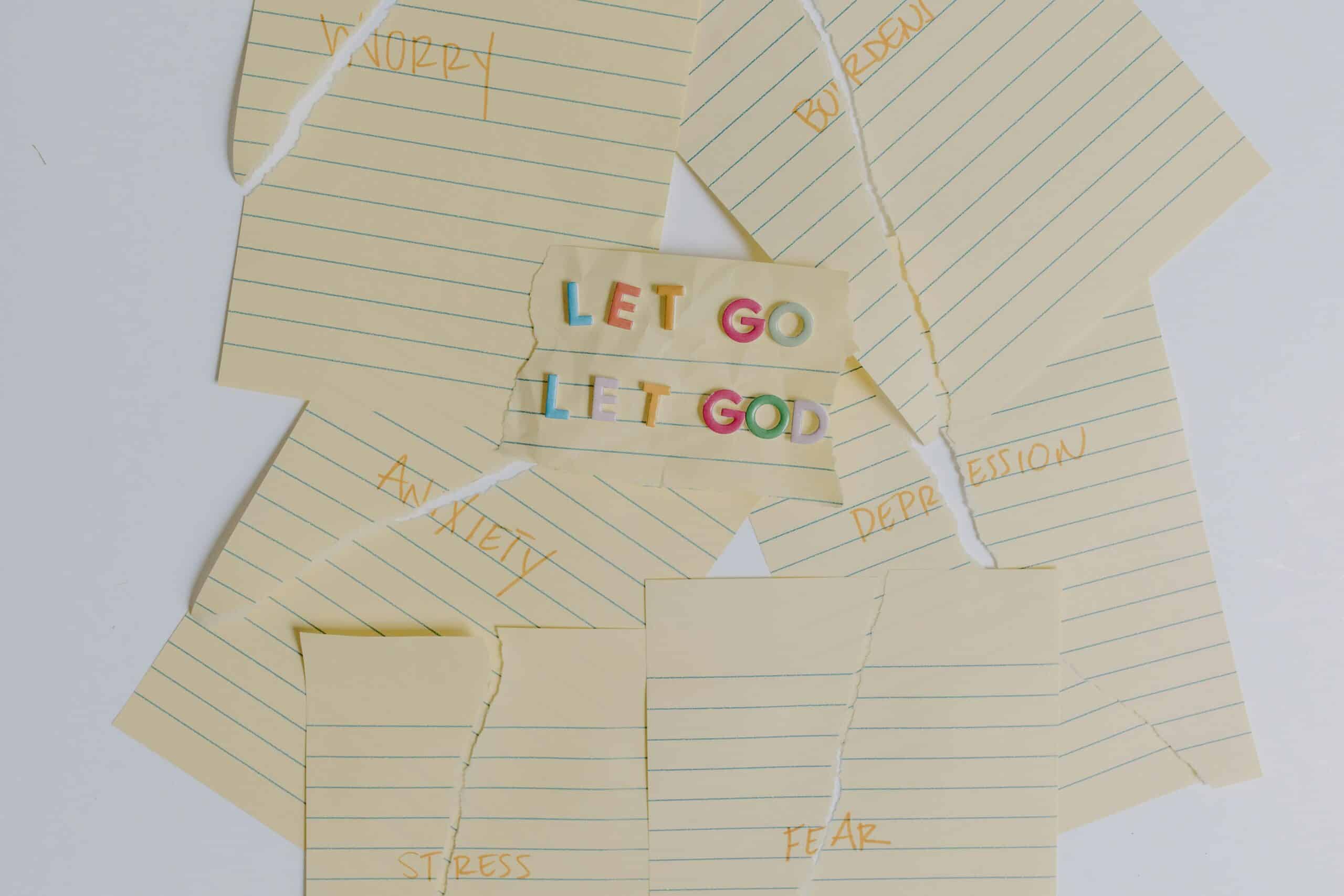
💡 Reframing Your Relationship with Pressure
The most powerful shift in building resilience isn’t behavioral—it’s perceptual. When you view stress as damage, your body responds defensively, triggering inflammation and resource conservation. When you view stress as challenge and opportunity, your physiology shifts toward engagement and growth.
This isn’t positive thinking or denial. It’s accurate assessment. Most stressors you encounter won’t kill you—they’ll teach you. The discomfort you feel isn’t damage occurring; it’s adaptation beginning. Your racing heart before a presentation isn’t panic; it’s your body mobilizing resources to help you perform.
Language shapes perception. Instead of “I’m so stressed,” try “I’m being challenged to grow.” Rather than “This is too much,” experiment with “This is at the edge of my current capacity.” These subtle shifts in framing activate different neural pathways and hormonal responses, literally changing how stress affects your body.
Building strength through stress isn’t about becoming invulnerable or eliminating discomfort. It’s about expanding your capacity to navigate difficulty, recovering more quickly from setbacks, and ultimately reaching the point where pressure brings out your best qualities rather than your worst fears. Every challenge you face is either breaking you down or building you up—the difference lies in dose, recovery, and mindset. Choose your stressors wisely, recover deliberately, and watch yourself become capable of things that once seemed impossible.

Toni Santos is a visual storyteller and sartorial artisan whose work revives the forgotten threads of historical fashion. With a deep fascination for garments lost to time, Toni weaves together art, memory, and material culture to illuminate the styles, symbols, and silent codes once stitched into humanity’s past.
His creative journey is rooted in a passion for clothing as narrative — from ceremonial robes of vanished empires to the subtle embroidery of medieval outcasts, from whispered meanings in Victorian accessories to the ritual adornments of ancient rites. Each piece Toni brings to life is more than aesthetic; it’s an echo of identity, power, belief, and transformation across centuries.
With a background in visual design and handcrafted techniques, Toni blends historical research with creative interpretation. His work reimagines the overlooked: the feathered cloaks, perfumed gloves, symbolic fastenings, and forbidden textiles that once defined entire cultures — now reborn as visual artifacts that speak across time.
As the visionary behind Vizovex, Toni shares stories, artworks, and curated collections that reconnect audiences with the deeper meaning of what we wear — and what clothing reveals when it is finally seen not just as fashion, but as forgotten language.
His work is a tribute to:
The poetry of garments lost in history’s folds
The cultural codes woven into ancient textiles
The beauty of attire as identity, memory, and myth
Whether you’re a fashion historian, a designer seeking timeless inspiration, or simply drawn to the mystery of what people once wore and why, Toni invites you to explore a world where forgotten fashions are revived — one stitch, one silhouette, one story at a time.