
Emotional recovery is not a sign of weakness—it’s a profound journey toward rediscovering your inner strength and reclaiming the life you deserve to live.
Life has a way of testing us through unexpected challenges, heartbreaking losses, toxic relationships, traumatic experiences, and overwhelming stress that can leave us feeling emotionally drained and disconnected from ourselves. When emotional pain becomes too heavy to carry, it affects every aspect of our existence—our relationships, work performance, physical health, and overall sense of purpose. The good news is that emotional recovery is entirely possible, and with the right techniques and mindset, you can not only heal but also thrive in ways you never imagined.
This comprehensive guide will walk you through powerful emotional recovery techniques that have helped countless individuals transform their pain into strength, their wounds into wisdom, and their struggles into stories of resilience. Whether you’re dealing with recent trauma or carrying old emotional baggage, these evidence-based strategies will provide you with the tools needed to heal deeply and embrace life with renewed passion and purpose.
Understanding the Foundation of Emotional Recovery 🌱
Before diving into specific techniques, it’s essential to understand what emotional recovery truly means. Emotional recovery is the process of healing from psychological distress, trauma, or painful life experiences that have disrupted your emotional well-being. It’s not about forgetting what happened or pretending the pain never existed—it’s about processing these experiences in healthy ways that allow you to move forward without being controlled by past hurts.
The human brain is remarkably resilient and possesses an incredible capacity for neuroplasticity—the ability to form new neural connections and adapt to new circumstances. This means that regardless of what you’ve been through, your brain can literally rewire itself to support healthier thought patterns, emotional responses, and behaviors. Understanding this biological reality can be tremendously empowering because it means you’re not permanently broken or damaged beyond repair.
Emotional recovery happens in layers, not linear stages. Some days you’ll feel strong and hopeful, while other days might bring unexpected waves of grief or anxiety. This is completely normal and doesn’t mean you’re failing at recovery. Think of it as a spiral staircase rather than a straight ladder—you might revisit similar emotional territory, but each time from a higher vantage point with greater insight and coping skills.
The Power of Mindful Awareness in Emotional Healing
Mindfulness has emerged as one of the most effective tools for emotional recovery, backed by extensive research demonstrating its ability to reduce symptoms of anxiety, depression, and post-traumatic stress. At its core, mindfulness is the practice of being fully present in the current moment without judgment—observing your thoughts, feelings, and sensations as they arise without getting swept away by them.
When you’re recovering emotionally, your mind often gets trapped in rumination about the past or anxiety about the future. Mindfulness gently brings your awareness back to the present moment, which is the only place where actual healing can occur. This doesn’t mean ignoring your pain; rather, it means developing a different relationship with it—one where you can acknowledge difficult emotions without being consumed by them.
Start with simple mindfulness practices like focused breathing exercises. Spend just five minutes daily sitting quietly and paying attention to your breath moving in and out of your body. When your mind wanders to painful memories or worries (and it will), gently guide your attention back to your breath without criticizing yourself. This simple practice strengthens your ability to manage difficult emotions throughout the day.
Body Scan Meditation for Releasing Stored Trauma
Trauma and emotional pain don’t just live in your mind—they’re stored in your body as well. Research in somatic psychology has shown that unprocessed emotions can manifest as physical tension, chronic pain, and various health issues. Body scan meditation is a powerful technique for reconnecting with your physical self and releasing trapped emotional energy.
Lie down in a comfortable position and systematically bring your attention to different parts of your body, starting from your toes and moving upward. Notice any areas of tension, discomfort, or numbness without trying to change them. Simply observing these sensations with curiosity and compassion can begin to release long-held patterns of stress and trauma. Many people report feeling lighter, more grounded, and emotionally clearer after regular body scan practice.
Cognitive Restructuring: Changing Your Inner Narrative 💭
The stories we tell ourselves about our experiences have tremendous power over our emotional well-being. Cognitive restructuring, a core component of cognitive-behavioral therapy (CBT), involves identifying and challenging negative thought patterns that keep you stuck in suffering. These automatic thoughts often sound like harsh criticism, catastrophic predictions, or overgeneralizations that distort reality.
Common cognitive distortions include all-or-nothing thinking (“I’m completely worthless”), overgeneralization (“Nothing ever works out for me”), and personalization (“Everything bad is my fault”). These thought patterns feel true in the moment, but they’re actually interpretations rather than facts. Learning to recognize and question them creates space for more balanced, realistic perspectives that support healing.
Start by keeping a thought journal where you write down distressing thoughts exactly as they occur. Then examine each thought with curiosity: What evidence supports this thought? What evidence contradicts it? What would I tell a friend who had this thought? What’s a more balanced way to view this situation? This practice gradually weakens the grip of negative thinking patterns and strengthens your capacity for self-compassion and realistic optimism.
Expressive Writing: Your Path to Emotional Release ✍️
Writing about traumatic or emotionally difficult experiences has been proven through decades of research to improve both psychological and physical health. Pioneering psychologist James Pennebaker discovered that people who wrote about their deepest thoughts and feelings surrounding difficult experiences showed improved immune function, fewer doctor visits, and better emotional well-being compared to those who wrote about superficial topics.
The key to effective expressive writing is giving yourself complete permission to be honest without worrying about grammar, spelling, or making sense. Set aside 15-20 minutes and write continuously about your emotional experiences, exploring not just what happened but how you felt about it and what it meant to you. Don’t censor yourself or try to make it sound good—this is for your eyes only.
After writing, you might feel temporarily worse as you’ve stirred up difficult emotions. This is normal and typically passes within a few hours. Over time, expressive writing helps you organize your emotional experiences into coherent narratives, which is a crucial part of processing trauma and finding meaning in suffering. Some people find it helpful to ceremonially release their writing afterward—burning it safely, tearing it up, or symbolically letting it go in some other way.
Building a Support Network That Truly Supports
Humans are fundamentally social creatures, and isolation during emotional recovery can significantly slow the healing process. However, not all social connections are equally healing. What matters most is the quality of support rather than the quantity of relationships. You need people who can offer genuine empathy, maintain healthy boundaries, and support your growth without trying to fix you or minimize your pain.
Evaluate your current relationships honestly. Which people consistently leave you feeling drained, criticized, or misunderstood? Which relationships energize you and make you feel accepted? During recovery, it’s often necessary to create distance from relationships that add to your emotional burden, even if they’re family members or long-time friends. This isn’t selfish—it’s essential self-care.
Consider joining support groups specifically designed for people going through similar experiences. Whether it’s a grief support group, trauma survivors circle, or recovery community, being with others who truly understand can be profoundly validating. Many excellent online communities exist if in-person groups aren’t accessible or comfortable for you. Professional support through therapy or counseling can also be invaluable, providing expert guidance tailored to your specific needs.
Movement and Embodiment: Healing Through the Body 🏃♀️
Physical movement is one of the most underutilized yet powerful tools for emotional recovery. Exercise doesn’t just improve physical health—it directly impacts brain chemistry by increasing endorphins, serotonin, and brain-derived neurotrophic factor (BDNF), which supports neuroplasticity and mood regulation. Movement also helps complete the stress response cycle that often gets stuck when we experience trauma or chronic emotional distress.
You don’t need intense workouts to experience these benefits. Gentle practices like walking in nature, yoga, tai chi, or dance can be especially healing because they combine movement with mindfulness and allow you to reconnect with your body in non-threatening ways. The goal isn’t fitness or weight loss—it’s using movement as a tool for emotional regulation and self-expression.
Trauma-informed yoga has gained recognition as particularly effective for emotional recovery because it emphasizes safety, choice, and present-moment awareness. Unlike some traditional yoga approaches, trauma-informed practices give you complete control over your experience, inviting rather than commanding, offering options rather than prescribing specific poses. This approach helps rebuild a sense of agency that trauma often destroys.
Establishing Rituals and Routines for Stability
When emotional turmoil makes life feel chaotic and unpredictable, establishing simple daily rituals can provide much-needed stability and structure. These don’t need to be elaborate—even small, consistent practices signal safety to your nervous system and create islands of predictability in uncertain times.
Morning routines are particularly powerful because they set the tone for your entire day. Consider creating a simple sequence that grounds and centers you: perhaps making tea mindfully, spending a few minutes journaling, doing light stretching, or stepping outside to notice the weather. The specific activities matter less than the consistency and intention you bring to them.
Evening rituals help transition your nervous system from the activation of the day toward rest and recovery. This might include a warm bath, reading something uplifting, practicing gratitude by noting three good things from your day, or doing a brief meditation. These bookend practices create containers that hold and support your healing journey, making the unpredictable middle parts of your day easier to navigate.
The Transformative Practice of Self-Compassion 💝
Self-compassion researcher Kristin Neff has demonstrated that treating yourself with the same kindness you’d offer a suffering friend is more effective for emotional well-being than self-esteem or positive thinking. Self-compassion involves three components: self-kindness instead of harsh self-judgment, recognizing your experience as part of common humanity rather than isolating yourself, and maintaining mindful awareness rather than over-identifying with difficult emotions.
Many people struggling with emotional recovery have a harsh inner critic that constantly points out their perceived failures, weaknesses, and inadequacies. This self-attacking voice might sound productive—like it’s motivating you to do better—but research shows it actually increases anxiety, depression, and avoidance behaviors while decreasing motivation and resilience.
Begin practicing self-compassion by noticing moments when you’re being self-critical, then deliberately shifting to a kinder inner voice. What would you say to someone you deeply care about who was going through exactly what you’re experiencing? Can you offer yourself those same words? Physical gestures like placing a hand on your heart or giving yourself a gentle hug can activate the caregiving system in your brain, creating feelings of safety and comfort even when you’re alone.
Creating Meaning From Your Suffering
One of the most profound aspects of emotional recovery is the potential for post-traumatic growth—the psychological transformation that can occur after struggling with highly challenging life circumstances. Research shows that many people who’ve experienced significant trauma report positive changes including greater appreciation for life, deeper relationships, increased personal strength, recognition of new possibilities, and spiritual development.
This doesn’t mean the trauma was “worth it” or that suffering is necessary for growth. Rather, it acknowledges that once difficult experiences have occurred, we have some choice in how we relate to them and what meaning we construct from them. Viktor Frankl, a Holocaust survivor and psychiatrist, wrote extensively about how finding meaning in suffering can transform it from something that destroys us into something that, while painful, contributes to our development.
Ask yourself reflective questions like: What have I learned about myself through this experience? How has this challenge revealed strengths I didn’t know I had? What matters most to me now that I’ve been through this? How might my experience help others who face similar struggles? These questions aren’t meant to minimize your pain but to help you extract wisdom and purpose from it as you heal.
Embracing Life Again With Renewed Purpose 🌟
As you progress in your emotional recovery journey, you’ll eventually face the beautiful and sometimes frightening prospect of fully re-engaging with life. After protecting yourself during healing, opening back up to joy, connection, and possibility requires courage and intentionality. This phase involves gradually expanding your comfort zone while honoring your needs and boundaries.
Start by identifying small pleasures and activities that once brought you joy. You might not feel enthusiastic about them initially—that’s okay. Behavioral activation, a therapeutic technique, shows that taking action often precedes feeling motivated rather than the other way around. Do the thing even when you don’t feel like it, and notice if your emotional state shifts as a result.
Set meaningful goals that align with your values rather than external expectations. After significant emotional hardship, your priorities often shift. What truly matters to you now? What kind of life do you want to build going forward? These goals might be relational (deepening connections with loved ones), creative (expressing yourself through art or writing), contribution-focused (helping others), or growth-oriented (learning new skills). Let your goals reflect the wisdom you’ve gained through your recovery journey.
Integrating Your Experience Into Your Identity
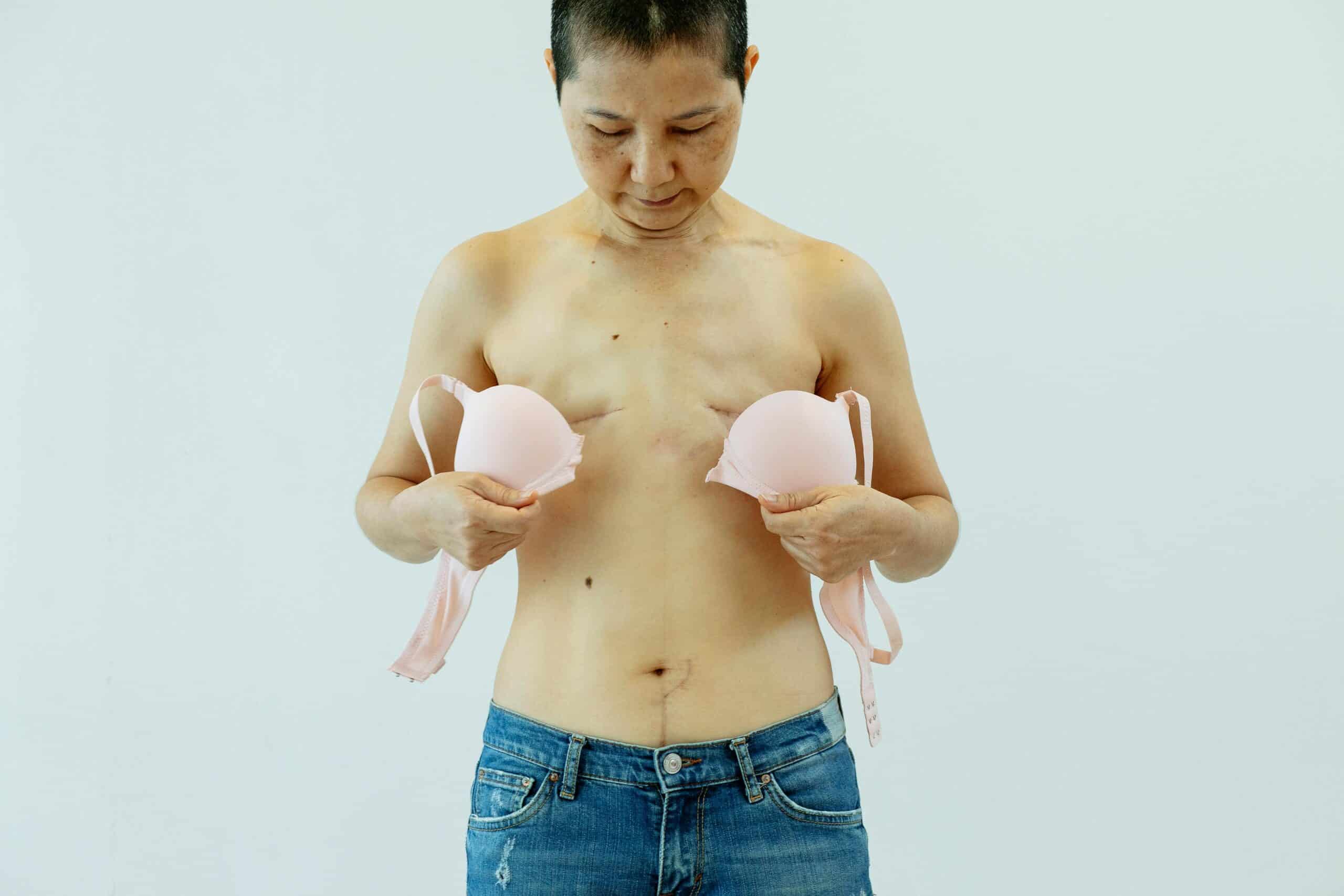
Complete emotional recovery doesn’t mean returning to who you were before your difficult experience—that’s neither possible nor desirable. Instead, it involves integrating what happened into a more expansive sense of self that includes both the pain you’ve experienced and the strength you’ve developed. You are not defined by your trauma, loss, or struggle, but these experiences have shaped you in important ways.
Think of your identity as a book with many chapters. The painful chapters are part of your story, but they’re not the whole story. As you heal and grow, you’re actively writing new chapters that showcase your resilience, wisdom, and capacity for transformation. This integrated perspective allows you to honor your past without being imprisoned by it.
Many people find it meaningful to mark their recovery journey through symbolic acts—planting a tree, creating art, writing a letter to their past or future self, or participating in activities that celebrate how far they’ve come. These rituals acknowledge the significance of your journey and help transition from identifying primarily as someone who is suffering to someone who has suffered and is now thriving.
Your emotional recovery journey is deeply personal and will look different from anyone else’s path. There’s no fixed timeline, no perfect way to heal, and no finish line where you’re suddenly “done” with emotional growth. Instead, view recovery as an ongoing practice of choosing healing, self-compassion, and meaningful engagement with life over and over again. Some days will be harder than others, but each small step forward builds momentum and strengthens your inner resources.
The techniques outlined in this article—mindfulness, cognitive restructuring, expressive writing, movement, self-compassion, and meaning-making—are proven tools that can support your healing. However, the most important ingredient in your recovery is your own commitment to the process. You possess an inner strength that has carried you through everything you’ve faced so far, and that same strength will guide you forward into a future filled with possibility, connection, and joy.
Remember that seeking professional help is a sign of strength, not weakness. Therapists, counselors, and other mental health professionals have specialized training in emotional recovery and can provide personalized support for your unique situation. Whether you work with a professional, rely on self-help strategies, or combine both approaches, know that healing is possible and you deserve to live a life that feels whole, meaningful, and authentically yours. Your journey toward inner strength begins with a single compassionate step—and you’ve already taken it by reading this and seeking ways to heal. Keep going. Your future self will thank you for the courage you’re showing today.

Toni Santos is a visual storyteller and sartorial artisan whose work revives the forgotten threads of historical fashion. With a deep fascination for garments lost to time, Toni weaves together art, memory, and material culture to illuminate the styles, symbols, and silent codes once stitched into humanity’s past.
His creative journey is rooted in a passion for clothing as narrative — from ceremonial robes of vanished empires to the subtle embroidery of medieval outcasts, from whispered meanings in Victorian accessories to the ritual adornments of ancient rites. Each piece Toni brings to life is more than aesthetic; it’s an echo of identity, power, belief, and transformation across centuries.
With a background in visual design and handcrafted techniques, Toni blends historical research with creative interpretation. His work reimagines the overlooked: the feathered cloaks, perfumed gloves, symbolic fastenings, and forbidden textiles that once defined entire cultures — now reborn as visual artifacts that speak across time.
As the visionary behind Vizovex, Toni shares stories, artworks, and curated collections that reconnect audiences with the deeper meaning of what we wear — and what clothing reveals when it is finally seen not just as fashion, but as forgotten language.
His work is a tribute to:
The poetry of garments lost in history’s folds
The cultural codes woven into ancient textiles
The beauty of attire as identity, memory, and myth
Whether you’re a fashion historian, a designer seeking timeless inspiration, or simply drawn to the mystery of what people once wore and why, Toni invites you to explore a world where forgotten fashions are revived — one stitch, one silhouette, one story at a time.