Emotional growth and continuous skill improvement are the twin engines that drive personal transformation, unlocking doors to unprecedented levels of fulfillment and achievement.
In today’s rapidly evolving world, the ability to master emotional intelligence while simultaneously developing practical skills has become more than just a competitive advantage—it’s a necessity for anyone seeking to reach their full potential. The intersection of emotional maturity and skill acquisition creates a powerful synergy that propels individuals toward extraordinary personal and professional outcomes.
Understanding how to navigate the complex landscape of emotions while consistently upgrading your capabilities requires intentional effort, strategic planning, and unwavering commitment. This comprehensive guide explores the profound connection between emotional development and continuous learning, providing you with actionable insights to transform your life from the inside out.
🌱 The Foundation: Understanding Emotional Growth
Emotional growth represents the ongoing process of developing greater awareness, understanding, and management of our feelings and reactions. Unlike intellectual growth, which focuses on accumulating knowledge, emotional development centers on how we process experiences, relate to others, and respond to life’s challenges.
At its core, emotional growth involves expanding your capacity to recognize emotions as they arise, understanding their origins, and choosing responses rather than reacting impulsively. This foundational skill set creates the stable platform upon which all other personal development efforts can build.
The neuroscience behind emotional growth reveals that our brains possess remarkable plasticity—the ability to form new neural pathways throughout our lives. This means that emotional patterns established in childhood aren’t permanent; they can be rewired through conscious effort and practice. When you commit to emotional growth, you’re literally reshaping your brain’s architecture.
The Four Pillars of Emotional Mastery
Developing emotional intelligence rests on four interconnected pillars that support your journey toward mastery:
- Self-Awareness: Recognizing your emotions in real-time and understanding how they influence your thoughts and behaviors
- Self-Management: Controlling impulsive feelings and behaviors, managing stress effectively, and adapting to changing circumstances
- Social Awareness: Understanding the emotions and needs of others, picking up on emotional cues, and feeling comfortable in social settings
- Relationship Management: Building and maintaining healthy relationships, communicating clearly, and navigating conflict constructively
Each pillar requires dedicated attention and practice. You cannot simply read about these concepts and expect transformation—they demand experiential learning through daily application and reflection.
🚀 The Skill Improvement Imperative
While emotional growth provides the internal foundation, continuous skill improvement creates the external capabilities that allow you to actualize your potential. In an era characterized by rapid technological advancement and shifting job markets, standing still means falling behind.
Skill improvement encompasses both hard skills—technical competencies specific to your field—and soft skills like communication, leadership, and creative problem-solving. The most successful individuals recognize that mastery is not a destination but a continuous journey of refinement and expansion.
Research consistently demonstrates that individuals who commit to lifelong learning experience greater career satisfaction, higher earning potential, and improved overall well-being. The act of learning itself stimulates neurogenesis—the creation of new brain cells—keeping your mind sharp and adaptable regardless of age.
Creating Your Personal Skill Development Roadmap
Strategic skill acquisition requires more than random learning efforts. You need a structured approach that aligns with your goals and maximizes your limited time and energy. Start by conducting a thorough skills audit: identify the competencies you currently possess and those required for your desired future state.
Once you’ve identified gaps, prioritize skills based on impact and urgency. Not all skills deserve equal attention—focus on high-leverage abilities that will create the greatest returns on your investment. Consider both your immediate professional needs and longer-term aspirations when making these decisions.
Effective skill development follows the 70-20-10 model: 70% of learning comes from challenging assignments and on-the-job experiences, 20% from developmental relationships and feedback, and only 10% from formal coursework and training. This framework reminds us that reading books and taking courses, while valuable, cannot replace experiential learning.
💡 The Synergy Between Emotions and Skills
The true magic happens when emotional growth and skill improvement intersect. Your emotional state directly impacts your ability to learn new skills, while skill mastery often requires confronting uncomfortable emotions like frustration, confusion, and self-doubt.
Consider learning a challenging new technical skill. Without emotional regulation, the inevitable struggles and setbacks can trigger anxiety, leading to procrastination or abandonment of the learning process. Conversely, when you’ve developed emotional resilience, you can recognize frustration as a normal part of learning, reframe challenges as opportunities, and persist through difficulties.
Similarly, as you develop new capabilities and experience success, your emotional confidence grows. This creates a positive feedback loop: improved skills boost emotional well-being, which in turn enhances learning capacity and motivation.
Overcoming the Emotional Barriers to Learning
Several emotional obstacles commonly derail skill development efforts. Perfectionism causes people to avoid attempting new skills for fear of looking incompetent. Imposter syndrome convinces capable individuals that they don’t deserve success. Fixed mindset beliefs suggest that abilities are innate rather than developable.
Addressing these barriers requires direct emotional work. Practice self-compassion when you struggle with new material. Remind yourself that everyone begins as a beginner, and that awkwardness is the price of entry to competence. Cultivate a growth mindset by viewing challenges as evidence that you’re expanding your capabilities rather than confirming your limitations.
Meditation and mindfulness practices offer powerful tools for managing the emotional turbulence of learning. Even brief daily sessions help you develop the metacognitive awareness to notice when emotions are hijacking your learning process, creating space to choose more productive responses.
🎯 Practical Strategies for Integrated Growth
Theoretical understanding means little without practical application. Here are concrete strategies for simultaneously developing emotional intelligence and expanding your skill set:
Implement Deliberate Practice: Don’t just repeat activities—engage in focused practice that pushes you slightly beyond your current capabilities. This approach, pioneered by psychologist Anders Ericsson, requires full concentration, immediate feedback, and systematic refinement of technique. The discomfort of deliberate practice also builds emotional tolerance for challenge.
Establish Reflection Rituals: Set aside regular time for structured reflection on both your emotional experiences and learning progress. Journal about challenges you faced, how you responded emotionally, and what you learned from the experience. This metacognitive practice accelerates both emotional and skill development.
Build Accountability Systems: Share your development goals with trusted mentors, coaches, or peer groups who can provide support and honest feedback. Accountability creates external structure that helps you persist when internal motivation wanes, while feedback conversations develop emotional resilience.
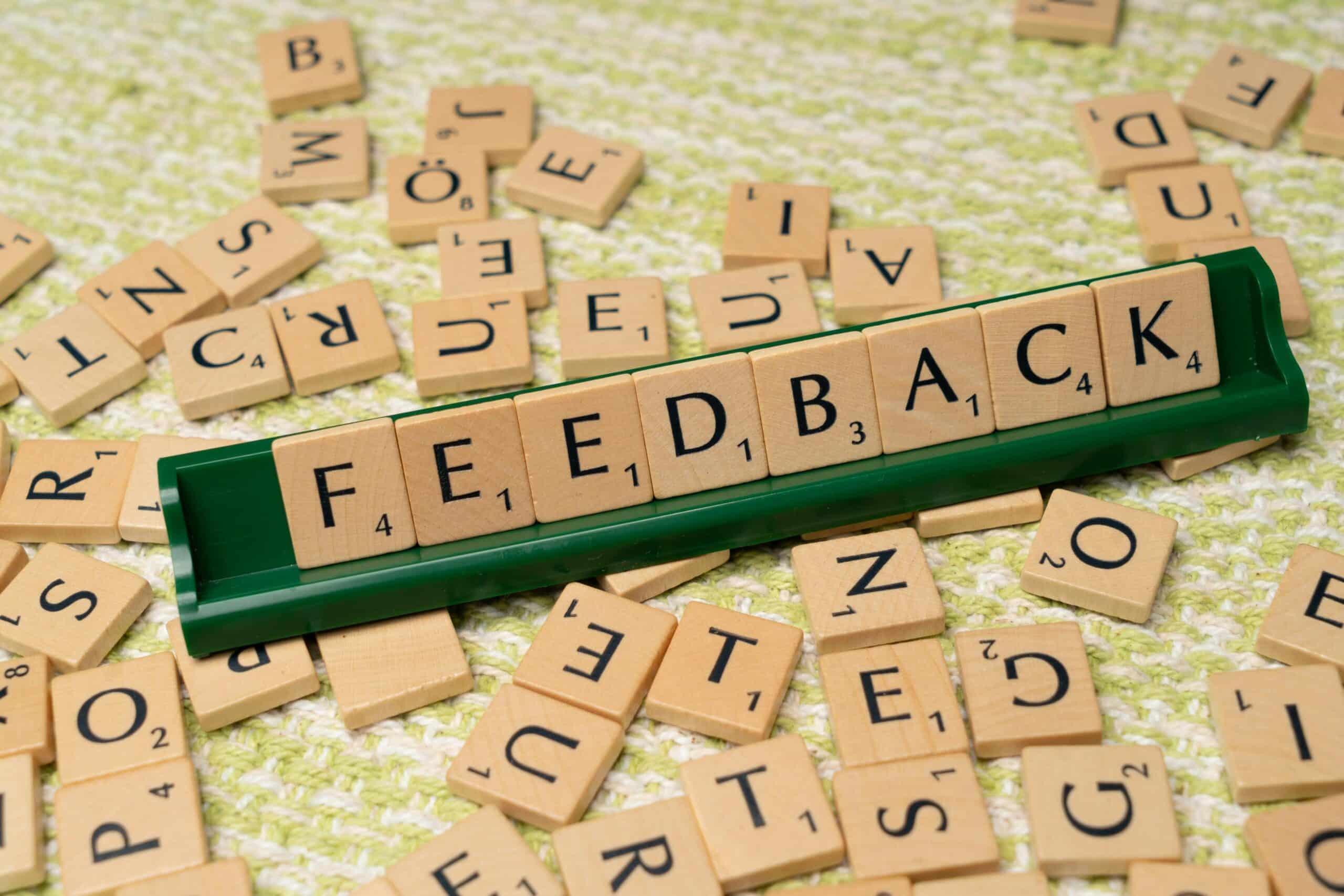
Embrace Productive Failure: Redefine failure as feedback rather than judgment. When you fall short of goals, conduct post-mortems to extract lessons without self-flagellation. This approach simultaneously builds emotional maturity and accelerates skill acquisition by helping you learn from mistakes.
📊 Measuring Progress on Your Journey
What gets measured gets managed. Tracking your development in both emotional growth and skill acquisition provides motivation, reveals patterns, and allows course correction when needed.
For emotional growth, consider keeping an emotion log where you note significant emotional experiences, your responses, and outcomes. Over time, you’ll identify triggers, patterns, and progress in your emotional regulation. Regular self-assessment using emotional intelligence frameworks can also quantify improvement.
Skill development lends itself to more concrete measurement. Set specific, measurable benchmarks for each skill you’re developing. If learning a language, track vocabulary size and conversation minutes. For technical skills, measure projects completed or certifications earned. These tangible markers provide motivation during the inevitable plateaus.
Creating Your Personal Dashboard
Consider developing a personal development dashboard that integrates multiple metrics across emotional and skill domains. This might include:
- Weekly emotional regulation success rate (situations handled productively vs. reactively)
- Hours invested in deliberate practice for priority skills
- Number of uncomfortable conversations successfully navigated
- Skills-based accomplishments (projects completed, presentations delivered, etc.)
- Feedback scores from mentors, colleagues, or clients
- Self-assessment ratings on key competencies
Review this dashboard monthly to celebrate progress, identify stagnation, and adjust your development strategy accordingly. The act of regular review itself reinforces your commitment to continuous growth.
🌟 Sustaining Momentum Through Life’s Seasons
The path to mastery isn’t linear. Life presents seasons of rapid growth and periods of consolidation. Understanding this natural rhythm prevents discouragement during slower phases and helps you capitalize on periods of accelerated development.
During high-stress life periods—career transitions, relationship changes, health challenges—your capacity for acquiring new skills may diminish. Rather than abandoning development entirely, shift focus toward emotional growth and maintaining existing skills. These challenging seasons often provide rich opportunities for emotional development even when skill acquisition stalls.
Conversely, during stable periods with fewer external demands, invest more heavily in aggressive skill development. Push yourself to tackle ambitious learning projects that require sustained focus and energy. This strategic allocation of resources across life’s changing landscape sustains long-term progress.
Building Resilient Development Habits
Consistency trumps intensity in personal development. Small daily actions compound into extraordinary results over time, while sporadic bursts of effort rarely create lasting change. Design your development routine to be resilient—simple enough to maintain during difficult periods yet substantial enough to drive meaningful progress.
Start with minimum viable habits: 10 minutes of daily practice on priority skills, five minutes of emotional reflection, weekly mentor conversations. As these become automatic, gradually increase duration and complexity. This approach builds momentum while preventing the burnout that comes from overly ambitious initial commitments.

🔄 The Continuous Evolution of Your Best Self
Mastering emotional growth and continuous skill improvement isn’t about reaching a final destination where you’ve “arrived.” Instead, it’s about embracing an identity as someone who continuously evolves, learns, and expands their capabilities throughout life.
This mindset shift—from achievement-focused to growth-focused—liberates you from the pressure of perfection while maintaining high standards for effort and progress. You’re never finished developing because there’s always another level of mastery to explore, another skill to acquire, another dimension of emotional intelligence to refine.
The individuals who unlock their full potential share this orientation toward continuous improvement. They view themselves as works in progress, approaching each day as an opportunity to become slightly better than they were yesterday. This perspective transforms the entire experience of being human from a state of constant inadequacy to one of perpetual possibility.
Your commitment to mastering emotional growth while continuously improving your skills creates ripple effects that extend far beyond your individual life. As you develop these capacities, you naturally become a more effective leader, a better partner, a more engaged parent, and a positive force in your community. Your growth inspires and enables the growth of those around you.
The journey of unlocking your full potential through integrated emotional and skill development begins with a single decision: the choice to start today. Not tomorrow, not after you’ve figured everything out, not when circumstances are perfect—but right now, exactly where you are. Each small step forward compounds into transformative change over time, creating a life of expanding capability, deepening wisdom, and authentic fulfillment. 🌈

Toni Santos is a visual storyteller and sartorial artisan whose work revives the forgotten threads of historical fashion. With a deep fascination for garments lost to time, Toni weaves together art, memory, and material culture to illuminate the styles, symbols, and silent codes once stitched into humanity’s past.
His creative journey is rooted in a passion for clothing as narrative — from ceremonial robes of vanished empires to the subtle embroidery of medieval outcasts, from whispered meanings in Victorian accessories to the ritual adornments of ancient rites. Each piece Toni brings to life is more than aesthetic; it’s an echo of identity, power, belief, and transformation across centuries.
With a background in visual design and handcrafted techniques, Toni blends historical research with creative interpretation. His work reimagines the overlooked: the feathered cloaks, perfumed gloves, symbolic fastenings, and forbidden textiles that once defined entire cultures — now reborn as visual artifacts that speak across time.
As the visionary behind Vizovex, Toni shares stories, artworks, and curated collections that reconnect audiences with the deeper meaning of what we wear — and what clothing reveals when it is finally seen not just as fashion, but as forgotten language.
His work is a tribute to:
The poetry of garments lost in history’s folds
The cultural codes woven into ancient textiles
The beauty of attire as identity, memory, and myth
Whether you’re a fashion historian, a designer seeking timeless inspiration, or simply drawn to the mystery of what people once wore and why, Toni invites you to explore a world where forgotten fashions are revived — one stitch, one silhouette, one story at a time.