In today’s fast-paced world, mastering stress-free living isn’t just a luxury—it’s essential for your mental, emotional, and physical well-being. Let’s explore how you can transform your life.
Understanding the Connection Between Stress and Emotional Wellbeing 🧠
Stress has become an unwelcome companion in modern life, affecting millions of people worldwide. The relationship between chronic stress and emotional imbalance is deeply intertwined, creating a cycle that can feel impossible to break. When we experience prolonged stress, our bodies remain in a constant state of fight-or-flight, flooding our systems with cortisol and adrenaline that were meant for short-term survival, not daily existence.
This constant state of alertness disrupts our emotional equilibrium, leading to anxiety, depression, irritability, and a diminished capacity for joy. Understanding this connection is the first step toward reclaiming your peace of mind and building a foundation for lasting emotional harmony.
The good news is that stress-free living isn’t about eliminating all challenges from your life—that would be impossible and unrealistic. Instead, it’s about developing the tools, mindset, and habits that allow you to navigate life’s inevitable ups and downs with grace, resilience, and inner calm.
The Science Behind Emotional Harmony and Your Health ❤️
Research consistently demonstrates that emotional wellbeing directly impacts physical health. Studies published in prestigious medical journals have shown that people who maintain emotional balance experience lower rates of cardiovascular disease, stronger immune systems, better sleep quality, and even longer lifespans.
When you achieve emotional harmony, your body’s natural healing mechanisms function optimally. Your nervous system finds balance between the sympathetic (stress response) and parasympathetic (rest and digest) states. This balance allows for proper digestion, cellular repair, hormone regulation, and cognitive function.
Neuroplasticity—your brain’s ability to form new neural pathways—plays a crucial role here. Every time you practice stress-reduction techniques or choose peaceful responses over reactive ones, you’re literally rewiring your brain for calmness. This isn’t metaphorical; it’s measurable biological change that accumulates over time.
What Happens in Your Body During Chronic Stress
Understanding the physical toll of unmanaged stress can motivate you to prioritize emotional harmony. When stress becomes chronic, your body experiences:
- Elevated blood pressure and increased heart rate, straining your cardiovascular system
- Weakened immune response, making you more susceptible to illness
- Digestive issues including IBS, acid reflux, and appetite changes
- Sleep disruptions that prevent proper rest and recovery
- Hormonal imbalances affecting mood, weight, and reproductive health
- Muscle tension leading to chronic pain, particularly in the neck, shoulders, and back
- Cognitive impairment including memory problems and difficulty concentrating
Practical Strategies for Cultivating Daily Peace 🌿
Transforming your life toward stress-free living requires intentional daily practices. These aren’t quick fixes but sustainable habits that compound over time, creating profound shifts in how you experience life.
Morning Rituals That Set the Tone for Calmness
How you begin your day significantly influences your stress levels throughout the remaining hours. Instead of immediately checking your phone or rushing into obligations, create a morning sanctuary for yourself. This might include just ten minutes of mindful breathing, gentle stretching, or sitting quietly with your morning beverage while practicing gratitude.
The key is consistency and intentionality. Your nervous system thrives on predictable, calming routines that signal safety. When your body knows what to expect each morning, it can relax into the day rather than bracing for chaos.
Consider journaling as part of your morning practice. Writing down three things you’re grateful for, setting intentions for the day, or simply doing a “brain dump” of worries can clear mental clutter before it accumulates into stress.
Breathwork: Your Portable Stress-Relief Tool
Your breath is the most powerful, accessible tool for immediate stress reduction. Unlike many wellness practices that require special equipment or settings, conscious breathing is always available to you.
The 4-7-8 breathing technique, popularized by Dr. Andrew Weil, is particularly effective: inhale through your nose for four counts, hold for seven counts, and exhale completely through your mouth for eight counts. This pattern activates your parasympathetic nervous system, triggering the relaxation response.
Box breathing, used by Navy SEALs in high-stress situations, involves inhaling for four counts, holding for four, exhaling for four, and holding empty for four. Practice this for just two minutes when you feel tension rising, and notice the immediate shift in your nervous system.
Creating Boundaries That Protect Your Peace 🛡️
One of the most overlooked aspects of stress-free living is the art of setting healthy boundaries. Many people struggle with chronic stress not because of external circumstances but because they’ve failed to establish clear limits on their time, energy, and emotional availability.
Boundaries aren’t walls that isolate you from others—they’re bridges that allow for authentic connection while protecting your wellbeing. Learning to say “no” without guilt, limiting exposure to toxic relationships, and creating space for solitude aren’t selfish acts; they’re essential components of self-care.
Digital boundaries deserve special attention in our hyperconnected world. Constant notifications, social media comparison, and the pressure to be always available create unprecedented levels of stress. Designating phone-free times, turning off non-essential notifications, and curating your digital consumption can dramatically reduce background anxiety.
The Power of “No” and Prioritization
Every “yes” you give to something that doesn’t serve your wellbeing is a “no” to something that might. Evaluate your commitments honestly. Which activities energize you? Which drain you? Where are you overextending yourself to please others or meet unrealistic expectations?
Creating a personal priority matrix can help. List your activities and responsibilities, then categorize them as: essential and energizing, essential but draining, non-essential but enjoyable, or non-essential and draining. This clarity allows you to make informed decisions about where your precious time and energy go.
Movement and Physical Practices for Emotional Balance 🏃♀️
The mind-body connection isn’t just a wellness cliché—it’s a biological reality. Physical movement directly influences your emotional state through neurotransmitter release, hormone regulation, and nervous system activation.
You don’t need intense workouts to reap emotional benefits from movement. Gentle practices like yoga, tai chi, or simply walking in nature can be profoundly effective for stress reduction. The key is finding movement that feels good to your body rather than punishing or obligatory.
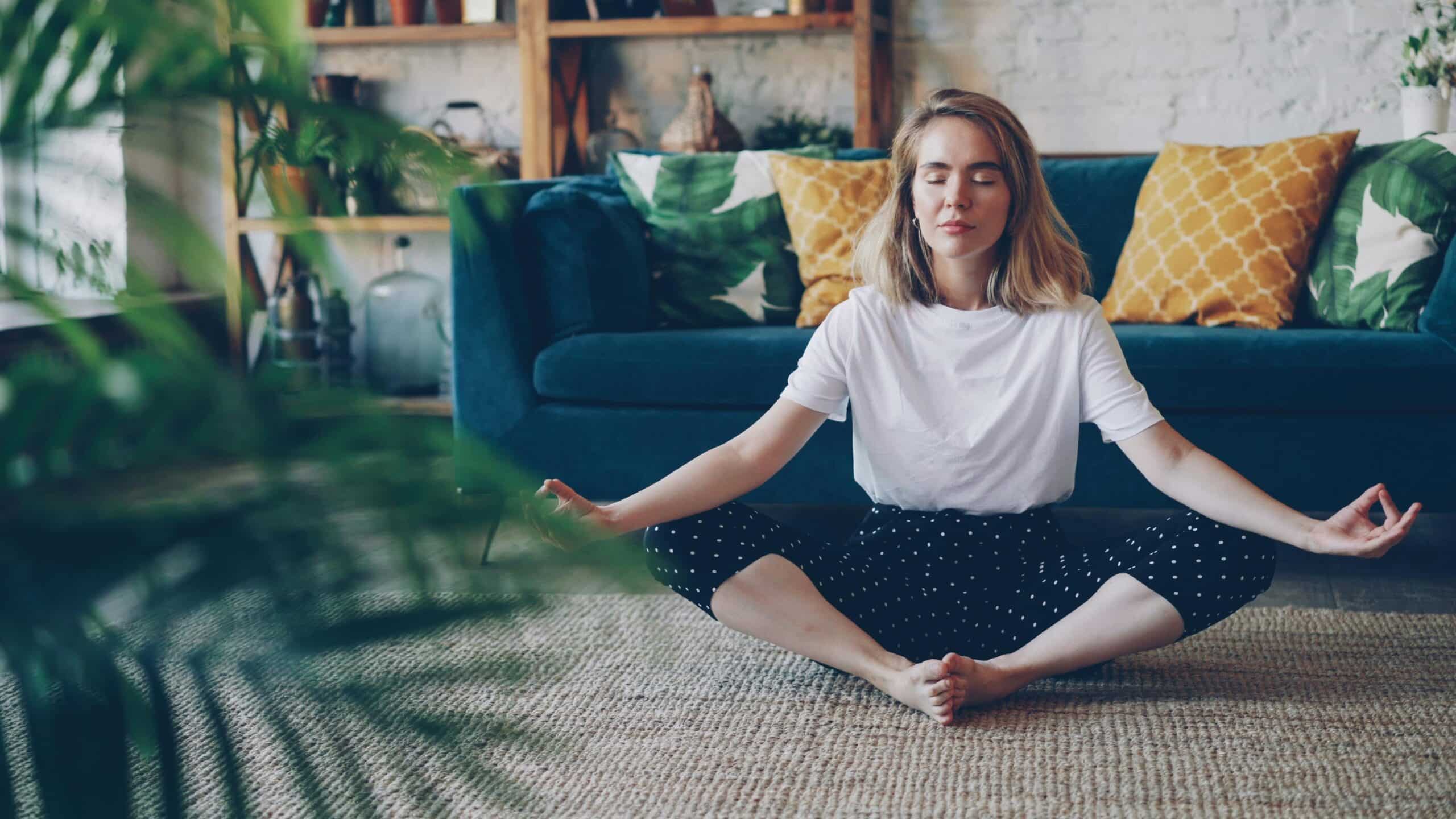
Yoga, in particular, combines movement with breath awareness and mindfulness, making it a comprehensive practice for emotional harmony. Regular yoga practice has been shown to reduce cortisol levels, increase GABA (a calming neurotransmitter), and improve heart rate variability—a marker of stress resilience.
Nature Immersion and Outdoor Activities
Spending time in natural environments offers unique stress-relief benefits that indoor exercise cannot replicate. The Japanese practice of “forest bathing” (shinrin-yoku) has been extensively studied, showing measurable reductions in stress hormones, blood pressure, and anxiety after just twenty minutes in nature.
Natural light exposure, fresh air, the colors and sounds of nature, and disconnection from urban stimulation all contribute to nervous system regulation. If you have access to green spaces, make outdoor time a non-negotiable part of your routine.
Nutrition’s Role in Stress Management and Mood Regulation 🥗
What you eat directly affects your brain chemistry and, consequently, your emotional state. The gut-brain axis—the bidirectional communication system between your digestive tract and brain—means that gut health significantly influences mental health.
Processed foods, excess sugar, and caffeine can create blood sugar fluctuations that mimic and exacerbate anxiety symptoms. Meanwhile, whole foods rich in omega-3 fatty acids, B vitamins, magnesium, and antioxidants support neurotransmitter production and nervous system function.
Foods that particularly support emotional wellbeing include fatty fish, leafy greens, nuts and seeds, berries, fermented foods, and dark chocolate (in moderation). Staying adequately hydrated is equally important, as even mild dehydration can negatively affect mood and cognitive function.
Mindful Eating as a Stress-Reduction Practice
Beyond what you eat, how you eat matters tremendously. Eating while distracted, rushed, or stressed impairs digestion and disconnects you from your body’s natural hunger and fullness cues. This often leads to overeating, poor food choices, and additional stress.
Practicing mindful eating—sitting down without distractions, eating slowly, savoring flavors and textures, and paying attention to how food makes you feel—transforms meals into opportunities for presence and self-care rather than just fuel stops.
Sleep Hygiene: The Foundation of Emotional Resilience 😴
Quality sleep is perhaps the most underrated factor in stress management and emotional harmony. During sleep, your brain processes emotions, consolidates memories, clears metabolic waste, and regulates hormones essential for mood stability.
Chronic sleep deprivation creates a vicious cycle: stress interferes with sleep, and poor sleep amplifies stress sensitivity. Breaking this cycle requires prioritizing sleep with the same importance you give to other health behaviors.
Effective sleep hygiene includes maintaining consistent sleep and wake times (even on weekends), creating a cool, dark, quiet sleep environment, avoiding screens for at least an hour before bed, and establishing a relaxing pre-sleep ritual that signals to your body that it’s time to wind down.
Meditation and Mindfulness for Daily Calm 🧘
Meditation isn’t about stopping thoughts or achieving some mystical state—it’s simply the practice of returning your attention to the present moment, again and again. This simple act, practiced regularly, creates profound changes in brain structure and function.
Research on meditation shows increased gray matter in brain regions associated with emotional regulation, decreased activity in the amygdala (fear center), and improved connectivity between brain regions responsible for attention and self-awareness.
You don’t need to meditate for hours to benefit. Studies show that even ten minutes daily produces measurable results. Apps like Headspace, Calm, and Insight Timer provide guided meditations for beginners and experienced practitioners alike.
Mindfulness Beyond Formal Meditation
Mindfulness can be integrated into any activity throughout your day. Washing dishes mindfully, feeling the water temperature and soap texture. Walking mindfully, noticing the sensation of each footstep. Even conversations become opportunities for presence when you truly listen rather than planning your response.
These micro-moments of mindfulness accumulate, training your brain to default to presence rather than rumination or worry. Over time, this shift becomes your natural state rather than something you have to consciously practice.
Social Connection and Community Support 👥
Humans are inherently social creatures, and quality relationships are among the strongest predictors of happiness and longevity. Chronic loneliness creates stress responses comparable to smoking or obesity, while meaningful social connections buffer against life’s challenges.
Cultivating emotional harmony requires both solitude for self-reflection and connection for support and belonging. Evaluate your relationships honestly. Do they energize or deplete you? Are they reciprocal or one-sided? Quality matters far more than quantity when it comes to friendship.
If you lack supportive relationships, consider joining groups centered around your interests—book clubs, hiking groups, volunteer organizations, or spiritual communities. Shared activities provide natural contexts for connection without the pressure of forced intimacy.
Professional Support When You Need It 💼
Sometimes, despite your best efforts, stress and emotional challenges exceed your capacity for self-management. Seeking professional support isn’t a sign of weakness—it’s a wise recognition that some situations require expert guidance.
Therapists, counselors, and coaches offer specialized tools and objective perspectives that friends and family cannot provide. Cognitive-behavioral therapy (CBT), for instance, has strong evidence for treating anxiety and depression by changing thought patterns that fuel distress.
Other therapeutic approaches like EMDR for trauma, dialectical behavior therapy (DBT) for emotion regulation, or somatic experiencing for stress stored in the body may be appropriate depending on your specific needs. Don’t hesitate to explore these resources if you’re struggling.
Building Your Personalized Stress-Free Blueprint 📋
There’s no one-size-fits-all approach to emotional harmony. What works beautifully for one person might feel forced or ineffective for another. The key is experimenting with different practices and creating your own customized approach based on what resonates with your personality, lifestyle, and circumstances.
Start small rather than overwhelming yourself with complete lifestyle overhaul. Choose one or two practices from this article that appeal to you most. Implement them consistently for at least two weeks before adding another. Sustainable change happens through gradual habit formation, not dramatic but unsustainable transformations.
Track your progress and emotional state in a journal or app. Notice patterns—which practices provide the most benefit? When do you feel most calm? What triggers stress? This self-awareness allows you to refine your approach over time.
Embracing the Journey Toward Lasting Peace ✨
Mastering stress-free living is a lifelong journey, not a destination. There will be challenging days when stress feels overwhelming despite your best practices. This is normal and human. Self-compassion during difficult times is as important as any stress-reduction technique.
Emotional harmony doesn’t mean constant happiness or the absence of negative emotions. It means developing the resilience to weather life’s storms without being destroyed by them. It means experiencing the full spectrum of human emotion while maintaining an underlying sense of peace and stability.
As you implement these practices, remember that small, consistent actions compound into transformation. Each moment you choose breath over reaction, presence over distraction, and self-care over self-neglect, you’re reshaping your brain, body, and life experience.
Your commitment to stress-free living and emotional harmony is one of the most valuable investments you can make. It enhances every aspect of your existence—your relationships deepen, your health improves, your work becomes more fulfilling, and your capacity for joy expands. The healthier, happier version of you is not some distant possibility but an emerging reality being created through each intentional choice you make today.
Begin where you are, use what you have, and trust the process. Your journey toward lasting peace and emotional balance starts now, and every step forward, no matter how small, is worth celebrating.

Toni Santos is a visual storyteller and sartorial artisan whose work revives the forgotten threads of historical fashion. With a deep fascination for garments lost to time, Toni weaves together art, memory, and material culture to illuminate the styles, symbols, and silent codes once stitched into humanity’s past.
His creative journey is rooted in a passion for clothing as narrative — from ceremonial robes of vanished empires to the subtle embroidery of medieval outcasts, from whispered meanings in Victorian accessories to the ritual adornments of ancient rites. Each piece Toni brings to life is more than aesthetic; it’s an echo of identity, power, belief, and transformation across centuries.
With a background in visual design and handcrafted techniques, Toni blends historical research with creative interpretation. His work reimagines the overlooked: the feathered cloaks, perfumed gloves, symbolic fastenings, and forbidden textiles that once defined entire cultures — now reborn as visual artifacts that speak across time.
As the visionary behind Vizovex, Toni shares stories, artworks, and curated collections that reconnect audiences with the deeper meaning of what we wear — and what clothing reveals when it is finally seen not just as fashion, but as forgotten language.
His work is a tribute to:
The poetry of garments lost in history’s folds
The cultural codes woven into ancient textiles
The beauty of attire as identity, memory, and myth
Whether you’re a fashion historian, a designer seeking timeless inspiration, or simply drawn to the mystery of what people once wore and why, Toni invites you to explore a world where forgotten fashions are revived — one stitch, one silhouette, one story at a time.