Negotiation isn’t just about numbers and terms—it’s about understanding people, building trust, and creating outcomes where everyone feels valued and heard.
In today’s interconnected world, the ability to negotiate effectively has become an essential skill for professional success and personal growth. Whether you’re closing business deals, resolving workplace conflicts, or navigating personal relationships, your emotional intelligence can be the determining factor between mediocre outcomes and truly transformative agreements.
Emotional intelligence (EQ) transforms negotiations from adversarial confrontations into collaborative problem-solving sessions. When you master the delicate balance between logic and emotion, you unlock the potential to create stronger connections, build lasting partnerships, and secure deals that benefit all parties involved. This comprehensive guide will show you how to harness emotional intelligence to become a more effective, empathetic, and successful negotiator.
🧠 Understanding Emotional Intelligence in Negotiation Contexts
Emotional intelligence encompasses five core competencies that directly impact negotiation outcomes: self-awareness, self-regulation, motivation, empathy, and social skills. In negotiation settings, these elements work together to help you read the room, manage tension, and guide conversations toward mutually beneficial conclusions.
Self-awareness allows you to recognize your emotional triggers during high-stakes discussions. When you understand what makes you defensive, anxious, or overly aggressive, you can proactively manage these responses rather than letting them derail important conversations. This awareness extends to recognizing your biases, preferences, and negotiation style—knowledge that helps you adapt your approach to different situations and personalities.
Self-regulation builds on this foundation by giving you control over your emotional responses. In negotiations, this means staying calm when facing unreasonable demands, maintaining composure during uncomfortable silences, and resisting the urge to react impulsively to provocations. The negotiator who can regulate their emotions maintains clarity of thought and strategic focus when others lose theirs.
The Connection Between Empathy and Negotiation Power
Empathy stands as the cornerstone of emotionally intelligent negotiation. When you genuinely understand the other party’s perspective, concerns, and underlying interests, you gain access to creative solutions that pure logic might never reveal. This doesn’t mean agreeing with everything the other side proposes—it means understanding their position deeply enough to address their real needs while protecting your own interests.
Active listening represents empathy in action. Rather than waiting for your turn to speak, emotionally intelligent negotiators listen to understand. They ask clarifying questions, reflect back what they’ve heard, and validate the other person’s feelings even when disagreeing with their positions. This approach builds psychological safety, encouraging more honest communication and reducing defensive posturing.
Perspective-taking exercises can dramatically improve your empathetic capabilities. Before entering any negotiation, spend time considering the situation from the other party’s viewpoint. What pressures are they facing? What constraints limit their options? What outcomes would they consider victories? This preparation allows you to anticipate objections, prepare compelling responses, and identify opportunities for creative compromise.
📊 Reading Emotional Cues and Non-Verbal Communication
Words convey only a fraction of the message in any negotiation. Emotional intelligence enables you to decode the wealth of information transmitted through tone, body language, facial expressions, and energy shifts. These non-verbal signals often reveal the other party’s true feelings, hidden concerns, and flexibility points that their words deliberately conceal.
Pay attention to micro-expressions—those fleeting facial movements that flash across someone’s face before they consciously control their expression. A momentary frown when discussing a particular term might indicate a deal-breaker issue, while a subtle smile could signal unexpected flexibility. Similarly, changes in posture, breathing patterns, and voice pitch provide valuable intelligence about the other party’s emotional state and receptiveness to your proposals.
Your own non-verbal communication matters equally. Emotionally intelligent negotiators maintain open body language, appropriate eye contact, and vocal patterns that convey confidence without aggression. They mirror positive behaviors to build rapport and consciously avoid gestures that signal dominance or dismissiveness. This congruence between verbal and non-verbal messages builds trust and credibility.
Building Rapport Before Discussing Terms 🤝
Rushing directly into contract terms and pricing discussions represents a common negotiation mistake. Emotionally intelligent negotiators invest time building genuine connections before addressing substantive issues. This rapport-building phase creates psychological goodwill that smooths over inevitable friction points during later discussions.
Small talk serves a strategic purpose beyond mere pleasantries. Conversations about shared interests, recent experiences, or common connections help both parties see each other as complex human beings rather than obstacles to overcome. This humanization effect makes aggressive tactics less appealing and collaborative problem-solving more natural.
Finding common ground early establishes a foundation of agreement that you can reference when differences arise. Whether it’s shared values, mutual goals, or aligned interests, these points of connection remind both parties that they’re working toward compatible objectives, just with different ideas about the path forward.
Managing Difficult Emotions During Tense Negotiations
Even the most skilled negotiators encounter moments of frustration, anger, or anxiety. Emotional intelligence doesn’t eliminate these feelings—it provides tools for managing them constructively. When tensions rise, the emotionally intelligent negotiator has strategies for de-escalation rather than contribution to the conflict spiral.
Strategic breaks serve as pressure release valves during heated discussions. When you notice emotions intensifying—yours or theirs—suggesting a brief pause demonstrates wisdom, not weakness. These breaks allow everyone to regain composure, consult with advisors, and return with fresh perspectives. Often, the issue that seemed insurmountable before the break becomes manageable after some reflection time.
Reframing techniques help transform adversarial dynamics into collaborative ones. Instead of viewing objections as personal attacks, emotionally intelligent negotiators see them as valuable information about the other party’s concerns. Rather than defending positions, they explore interests. This mental shift from “us versus them” to “us versus the problem” opens new pathways toward resolution.
🎯 Strategic Emotional Expression for Influence
While emotional regulation is crucial, completely suppressing emotions isn’t optimal either. Strategic emotional expression—showing appropriate emotions at the right moments—can be a powerful negotiation tool. The key lies in authenticity and intentionality rather than manipulation.
Expressing genuine enthusiasm about potential collaboration can be contagious, elevating the other party’s optimism about working together. Showing measured concern about potential obstacles demonstrates thoroughness and risk awareness. Even controlled frustration, when expressed respectfully, can signal that you’ve reached your limits and serious compromise is needed from both sides.
The distinction between strategic emotional expression and emotional manipulation matters enormously. Emotionally intelligent negotiators remain authentic, expressing real feelings in measured ways rather than feigning emotions they don’t feel. This authenticity builds trust over time, whereas manipulation, even when temporarily effective, eventually damages relationships and reputations.
Creating Win-Win Solutions Through Emotional Insight
Emotionally intelligent negotiation excels at uncovering integrative solutions—outcomes that expand the pie rather than just dividing it differently. These creative solutions emerge when negotiators understand not just positions but the emotional and psychological needs underlying those positions.
Interest-based negotiation relies heavily on emotional intelligence. By understanding what the other party truly values—whether it’s financial security, professional recognition, relationship preservation, or something else—you can craft proposals that address these deeper needs even if you can’t meet all their stated demands. Sometimes a non-monetary concession that addresses an emotional need can unlock flexibility on financial terms.
The BATNA (Best Alternative To a Negotiated Agreement) concept gains new dimensions through an emotional intelligence lens. Beyond evaluating objective alternatives, emotionally intelligent negotiators consider the relational and psychological costs of walking away. Sometimes maintaining a valuable relationship justifies accepting slightly less favorable terms than your BATNA would suggest.
💡 Developing Your Emotional Intelligence for Better Negotiations
Emotional intelligence isn’t a fixed trait—it’s a developable skill set that improves with conscious practice and reflection. Negotiators committed to growth can implement specific exercises and habits that systematically enhance their EQ over time.
Mindfulness practices build the self-awareness foundation essential for emotional intelligence. Regular meditation, journaling, or reflective exercises help you recognize your emotional patterns, identify triggers, and observe your thoughts without immediate reaction. This metacognitive awareness proves invaluable during negotiations when you need to monitor and manage your internal state while remaining fully present with the other party.
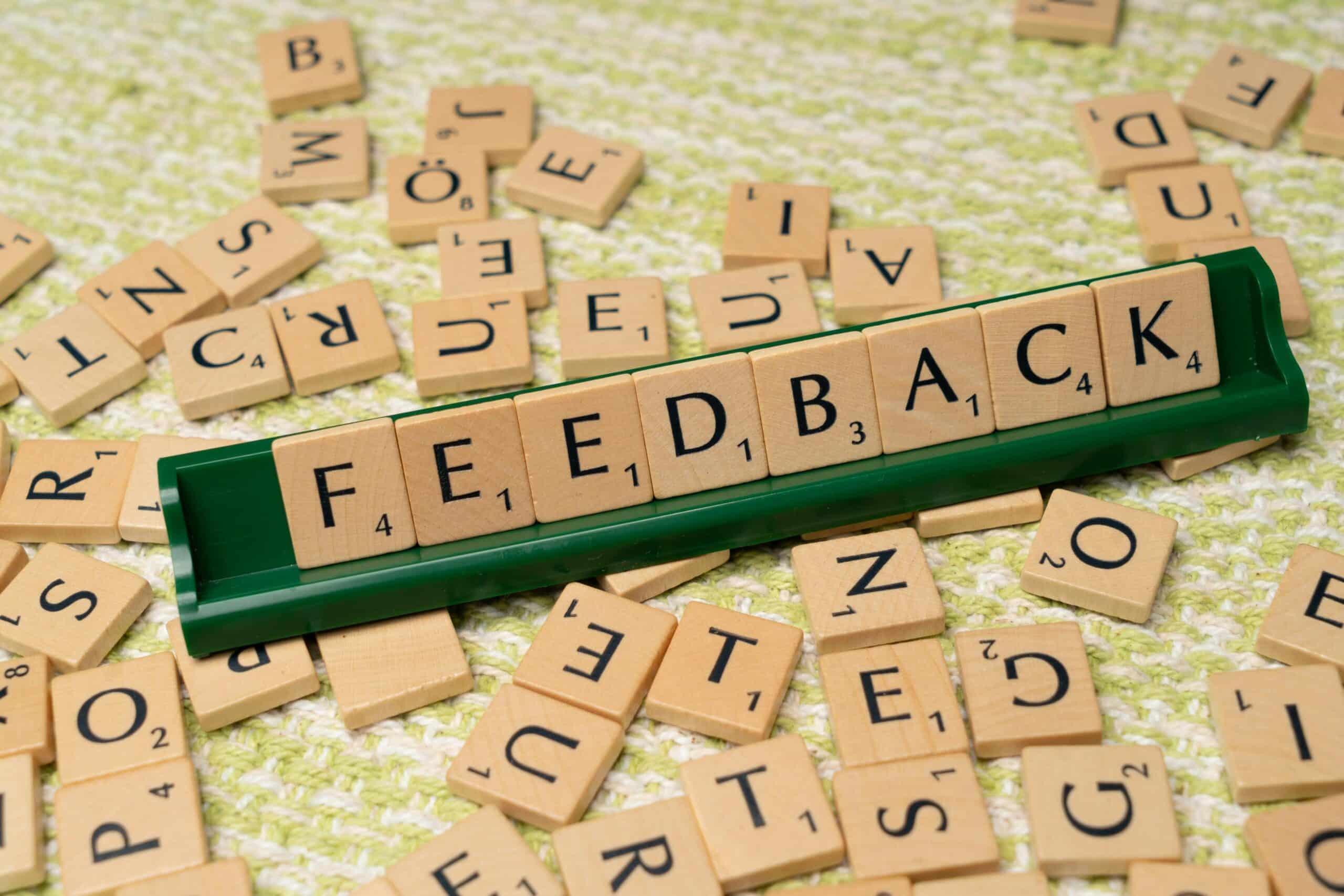
Seeking feedback accelerates emotional intelligence development. After important negotiations, ask trusted colleagues or mentors how you came across emotionally. Did you seem defensive? Overly aggressive? Appropriately confident? This external perspective reveals blind spots in your self-perception and highlights areas for improvement.
Role-playing exercises provide safe environments to experiment with emotionally intelligent techniques. Practice difficult conversations with colleagues, deliberately trying different emotional approaches and observing the results. This experimentation without real stakes builds your repertoire of responses for actual negotiations.
Cultural Intelligence: Emotional Awareness Across Differences
Emotional intelligence intersects importantly with cultural intelligence in our globalized world. Different cultures have varying norms around emotional expression, directness, relationship-building timelines, and power dynamics. What reads as appropriately assertive in one culture might seem aggressive in another, while suitable restraint in one context could appear disengaged elsewhere.
Emotionally intelligent negotiators research cultural norms before cross-cultural negotiations. They learn about communication styles, decision-making processes, and relationship expectations in the other party’s culture. This preparation prevents unintended offense and demonstrates respect that builds goodwill.
When cultural misunderstandings occur despite preparation, emotional intelligence provides recovery tools. Acknowledging mistakes openly, asking for guidance, and showing genuine interest in learning demonstrate humility and respect that can actually strengthen cross-cultural relationships. The willingness to be vulnerable and learn often matters more than perfect cultural fluency.
🔄 Turning Conflict into Connection Opportunities
Disagreements and conflicts are inevitable in negotiations, but emotionally intelligent practitioners view these moments as relationship-building opportunities rather than relationship-threatening crises. How you navigate conflict reveals character and builds trust in ways that smooth sailing never can.
Validating emotions doesn’t require agreement with positions. You can acknowledge that the other party feels frustrated, concerned, or disappointed without conceding the substantive point they’re making. This emotional validation reduces defensiveness and creates space for productive problem-solving even amid disagreement.
Apologizing authentically when you’ve made mistakes demonstrates emotional maturity that enhances rather than diminishes your negotiating position. Taking responsibility for errors, explaining how you’ll prevent recurrence, and making appropriate amends shows integrity that builds long-term trust, even if it creates short-term discomfort.
Technology Tools Supporting Emotionally Intelligent Negotiation
While emotional intelligence remains fundamentally human, certain technologies can support its development and application. Communication platforms that facilitate relationship maintenance between formal negotiations help sustain connections. Reflection apps encourage the regular self-assessment that builds self-awareness.
Video conferencing technology, while not ideal for reading all non-verbal cues, still conveys significantly more emotional information than phone calls or email. Emotionally intelligent negotiators optimize their virtual presence by ensuring good lighting, maintaining appropriate eye contact with the camera, and minimizing distractions that signal disengagement.
Preparation tools that help you organize information about the other party’s interests, constraints, and preferences support the empathetic understanding central to emotional intelligence. The more efficiently you can access relevant information, the more mental capacity you have for the emotional and relational aspects of negotiation.
⚡ Sustaining Energy and Emotional Resilience
Emotionally intelligent negotiation requires significant mental and emotional energy. Managing your own emotions, reading others accurately, and maintaining empathy throughout extended discussions can be exhausting. Sustainable success requires attention to your emotional resilience and energy management.
Physical wellness directly impacts emotional intelligence. Adequate sleep, proper nutrition, regular exercise, and stress management practices aren’t peripheral to negotiation success—they’re foundational. When you’re physically depleted, your emotional regulation suffers, your empathy decreases, and your ability to read social cues diminishes.
Setting appropriate boundaries protects your emotional resources for the negotiations that matter most. Not every discussion requires maximum emotional investment. Emotionally intelligent professionals distinguish between situations demanding deep empathetic engagement and those where efficient, businesslike approaches suffice.
Transforming Negotiation Relationships into Long-Term Partnerships
The ultimate measure of emotionally intelligent negotiation isn’t just the immediate deal terms—it’s the relationship quality afterward. When both parties leave the table feeling respected, understood, and fairly treated, you’ve created the foundation for ongoing collaboration that generates value far beyond any single transaction.
Post-negotiation follow-up demonstrates that your relationship focus was genuine rather than tactical. Checking in on implementation, addressing emerging concerns proactively, and celebrating shared successes reinforces the connection established during negotiations. These ongoing touchpoints transform one-time counterparties into long-term partners.
Emotionally intelligent negotiators recognize that their reputation represents their most valuable asset. Every negotiation shapes how others perceive your trustworthiness, fairness, and collaboration skills. This reputation either opens or closes future opportunities in ways that dwarf the importance of any individual deal’s terms.

🌟 Your Journey Toward Negotiation Mastery
Mastering emotionally intelligent negotiation is a continuous journey rather than a destination. Each conversation offers opportunities to refine your self-awareness, strengthen your empathy, and improve your ability to create connections while securing favorable outcomes. The investment you make in developing these skills pays dividends throughout your professional and personal life.
Start small by implementing one or two techniques in your next negotiation. Perhaps you’ll focus on active listening, consciously setting aside your response preparation to fully hear the other person. Or you might emphasize rapport-building, investing extra time in genuine connection before discussing substantive issues. These incremental improvements compound over time into transformative capability.
Remember that emotional intelligence in negotiation isn’t about manipulation or gaining unfair advantage—it’s about bringing your full humanity to business interactions and honoring the humanity in others. When you negotiate with genuine empathy, authentic communication, and collaborative spirit, you create outcomes that strengthen relationships while advancing your interests. This approach builds the trust, reputation, and network that sustain long-term success far more reliably than any aggressive tactic or manipulative technique ever could.
The negotiators who thrive in our complex, relationship-driven world are those who recognize that emotional intelligence isn’t a soft skill—it’s the essential foundation for creating the stronger connections and better deals that define sustainable success. Your commitment to developing this intelligence represents an investment in every future conversation, relationship, and opportunity you’ll encounter.

Toni Santos is a visual storyteller and sartorial artisan whose work revives the forgotten threads of historical fashion. With a deep fascination for garments lost to time, Toni weaves together art, memory, and material culture to illuminate the styles, symbols, and silent codes once stitched into humanity’s past.
His creative journey is rooted in a passion for clothing as narrative — from ceremonial robes of vanished empires to the subtle embroidery of medieval outcasts, from whispered meanings in Victorian accessories to the ritual adornments of ancient rites. Each piece Toni brings to life is more than aesthetic; it’s an echo of identity, power, belief, and transformation across centuries.
With a background in visual design and handcrafted techniques, Toni blends historical research with creative interpretation. His work reimagines the overlooked: the feathered cloaks, perfumed gloves, symbolic fastenings, and forbidden textiles that once defined entire cultures — now reborn as visual artifacts that speak across time.
As the visionary behind Vizovex, Toni shares stories, artworks, and curated collections that reconnect audiences with the deeper meaning of what we wear — and what clothing reveals when it is finally seen not just as fashion, but as forgotten language.
His work is a tribute to:
The poetry of garments lost in history’s folds
The cultural codes woven into ancient textiles
The beauty of attire as identity, memory, and myth
Whether you’re a fashion historian, a designer seeking timeless inspiration, or simply drawn to the mystery of what people once wore and why, Toni invites you to explore a world where forgotten fashions are revived — one stitch, one silhouette, one story at a time.