Your breath is the bridge between your body and mind, a powerful tool you already possess to unlock deeper focus, reduce stress, and elevate your mental clarity instantly.
In our fast-paced world filled with endless distractions and mounting pressures, we often forget the most fundamental life force available to us—our breathing. While we breathe unconsciously throughout the day, learning to breathe consciously can revolutionize how we think, feel, and perform. The ancient wisdom of breathing techniques, now validated by modern neuroscience, offers us a pathway to mental mastery that requires nothing more than awareness and practice.
This comprehensive guide will explore how intentional breathing practices can transform your mental energy, sharpen your concentration, and create an unshakeable sense of inner calm that persists even during life’s most challenging moments.
🧠 The Science Behind Breath and Brain Connection
Every breath you take directly influences your nervous system, brain chemistry, and emotional state. When you inhale, your heart rate naturally increases slightly; when you exhale, it decreases. This relationship between breathing patterns and heart rate variability (HRV) serves as a gateway to controlling your autonomic nervous system—the command center for stress responses and relaxation.
Research from Stanford University and other leading institutions has demonstrated that specific breathing patterns can activate the parasympathetic nervous system, triggering what scientists call the “relaxation response.” This physiological state counteracts stress hormones like cortisol and adrenaline while promoting the release of endorphins and other calming neurotransmitters.
The prefrontal cortex, your brain’s executive control center responsible for focus, decision-making, and emotional regulation, receives enhanced blood flow and oxygenation through proper breathing techniques. This increased oxygen supply optimizes cognitive performance, explaining why controlled breathing so dramatically improves mental clarity and concentration.
⚡ Understanding Your Default Breathing Patterns
Before mastering advanced breathing techniques, you must first recognize how you currently breathe. Most people develop inefficient breathing habits over time, often breathing shallowly from the chest rather than deeply from the diaphragm. This chest breathing, common during stress or while sitting hunched over devices, deprives your body of optimal oxygen exchange.
Shallow breathing creates a feedback loop with anxiety. When you’re stressed, you breathe rapidly and shallowly; this shallow breathing then signals your brain that danger is present, perpetuating the stress cycle. Breaking this pattern requires conscious awareness and deliberate practice.
Take a moment right now to observe your natural breath. Is your belly expanding with each inhale, or is the movement primarily in your chest and shoulders? Are your breaths fast or slow, deep or shallow? This self-awareness forms the foundation for transformation.
🌬️ The Diaphragmatic Foundation: Your Breathing Baseline
Diaphragmatic breathing, also called belly breathing, represents the cornerstone of all effective breathing practices. This technique engages your diaphragm—a dome-shaped muscle beneath your lungs—allowing for fuller oxygen exchange and immediate nervous system regulation.
To practice diaphragmatic breathing, lie down or sit comfortably with one hand on your chest and the other on your belly. Breathe in slowly through your nose, allowing your belly to rise while keeping your chest relatively still. The hand on your abdomen should move significantly more than the hand on your chest. Exhale slowly through your mouth or nose, feeling your belly naturally fall.
Practice this foundational technique for five minutes daily, gradually increasing duration as it becomes more natural. Within weeks, diaphragmatic breathing will begin replacing shallow chest breathing as your default pattern, even during unconscious breathing throughout the day.
💎 Box Breathing: The Navy SEAL Technique for Extreme Focus
Box breathing, also known as square breathing, has been adopted by elite military units, athletes, and high-performance professionals worldwide. This technique creates equal intervals for inhaling, holding, exhaling, and holding again—forming a “box” pattern that brings immediate mental clarity and calm.
The practice involves four equal phases, typically four counts each. Inhale through your nose for four counts, hold your breath for four counts, exhale completely for four counts, then hold empty for four counts before repeating. Each “box” represents one complete breathing cycle.
This balanced pattern synchronizes brain wave activity, particularly increasing alpha and theta waves associated with relaxed alertness and creative problem-solving. Box breathing proves especially valuable before important meetings, presentations, examinations, or any situation requiring peak mental performance under pressure.
Start with four-second intervals and gradually increase to five, six, or even eight seconds as your capacity develops. Practicing box breathing for just two minutes can shift your mental state from scattered to laser-focused.
🔥 Energizing Breath: Activating Your Inner Power
While many breathing techniques promote relaxation, certain practices generate energy and heightened alertness. The Kapalabhati breath, known as “skull-shining breath” in yogic traditions, rapidly clears mental fog and invigorates your entire system.
This technique involves passive inhalations and forceful, rapid exhalations driven by abdominal contractions. Sit upright with a straight spine, take a deep breath in, then begin forcefully exhaling through your nose in short bursts while pulling your navel toward your spine. The inhalations happen automatically between active exhalations.
Perform 20-30 rapid exhalations, then take a deep breath and hold comfortably before exhaling slowly. Complete three rounds of this practice. The increased oxygen and stimulated circulation will leave you feeling alert and mentally sharp—perfect for combating afternoon energy slumps or preparing for demanding mental tasks.
Caution: This energizing technique should be avoided by pregnant women, people with high blood pressure, or those with certain medical conditions. Always practice on an empty stomach and discontinue if you feel dizzy.
🌙 The 4-7-8 Breath: Your Natural Sleep Aid
Dr. Andrew Weil popularized this powerful relaxation technique based on ancient pranayama practices. The 4-7-8 breathing pattern serves as a natural tranquilizer for the nervous system, becoming more effective with repetition and practice.
Place the tip of your tongue against the ridge of tissue behind your upper front teeth and keep it there throughout the practice. Exhale completely through your mouth, making a whoosh sound. Close your mouth and inhale quietly through your nose for four counts. Hold your breath for seven counts. Exhale completely through your mouth for eight counts, making the whoosh sound again.
This constitutes one complete breath cycle. Perform four cycles initially, though you can gradually increase to eight cycles as the technique becomes familiar. The extended exhalation activates your parasympathetic nervous system, creating profound relaxation ideal for reducing anxiety, managing anger, or preparing for restful sleep.
📱 Technology-Assisted Breathing Practice
While breathing requires no equipment or technology, several apps can help establish consistent practice habits through guided sessions, reminders, and progress tracking. One particularly effective option is the Breathwrk app, which offers structured breathing exercises for various purposes—from managing stress to boosting energy.
Technology can serve as training wheels while you develop your breathing practice, but the ultimate goal remains cultivating the ability to regulate your breath and mental state anywhere, anytime, without external dependencies.
🎯 Integrating Breathwork Into Daily Life
Mastering breathing techniques in quiet, controlled environments represents only the beginning. The true transformation occurs when you integrate these practices into real-world situations where stress, distraction, and pressure naturally arise.
Create breathing anchors throughout your day by linking breath awareness to existing habits. Practice three conscious breaths before checking email, use box breathing while waiting in traffic, or employ 4-7-8 breathing during your evening wind-down routine. These micro-practices accumulate significant benefits without requiring additional time in your schedule.
During challenging conversations or tense moments, return to your breath as an anchor point. Even three to five slow, deliberate breaths can interrupt reactive patterns and create the space needed for thoughtful responses rather than impulsive reactions.
🏃 Breathing for Physical Performance and Recovery
Proper breathing techniques extend beyond mental benefits into the realm of physical performance optimization. Athletes across all disciplines increasingly recognize breath control as a competitive advantage and recovery tool.
During cardiovascular exercise, synchronizing breath with movement enhances endurance and efficiency. A common pattern involves inhaling for two steps and exhaling for two steps while running, though individual variations exist. The key principle remains matching breath to exertion level while maintaining nasal breathing whenever possible.
Nasal breathing during exercise, though initially challenging, offers multiple advantages including natural air filtration, optimal oxygen-carbon dioxide exchange, and nitric oxide production that improves oxygen delivery to tissues. Gradually building tolerance for nasal breathing during lower-intensity exercise creates adaptations that enhance overall respiratory function.
Post-exercise recovery accelerates through deliberate breathing practices. Spending five minutes in diaphragmatic or 4-7-8 breathing after workouts shifts your body from the sympathetic “fight or flight” state into parasympathetic “rest and digest” mode, optimizing recovery processes and reducing delayed onset muscle soreness.
🧘 Breath Awareness Meditation: The Ultimate Mind Training
While specific breathing techniques offer targeted benefits, simple breath awareness meditation develops the meta-skill of sustained attention—the foundation of all focus and mental control. This practice involves nothing more than observing your natural breath without trying to change it.
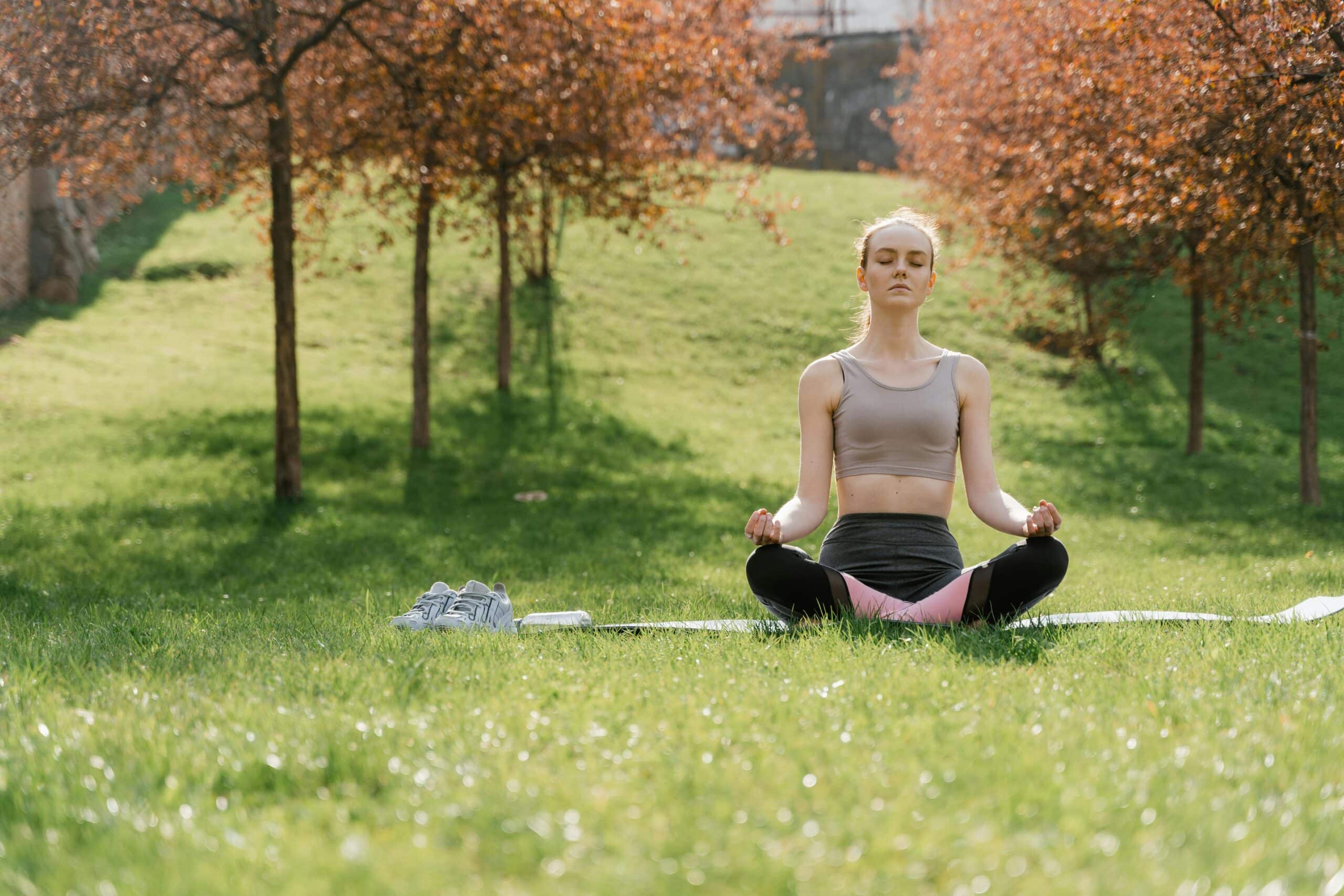
Sit comfortably with an upright spine and closed eyes. Bring attention to the physical sensations of breathing—the air moving through your nostrils, your chest or belly rising and falling, the temperature difference between inhales and exhales. When your mind wanders (and it will), gently return attention to the breath without judgment or frustration.
This deceptively simple practice strengthens the prefrontal cortex, literally increasing gray matter density in brain regions associated with attention, emotional regulation, and self-awareness. Neuroscientific studies show measurable improvements in focus and stress resilience after just eight weeks of consistent practice.
Start with five minutes daily and gradually increase duration. The benefits accumulate through consistency rather than lengthy sessions. Ten minutes daily for months produces far greater results than sporadic hour-long sessions.
⚠️ Common Breathing Practice Mistakes to Avoid
As with any skill development, certain pitfalls can limit progress or create counterproductive patterns. Avoiding these common mistakes accelerates your breathing mastery journey.
- Forcing or straining: Breathing practices should feel comfortable and sustainable. Excessive effort creates tension rather than relaxation.
- Inconsistent practice: Occasional practice yields minimal benefits. Daily short sessions outperform sporadic lengthy ones.
- Breathing through the mouth habitually: Except for specific techniques, nasal breathing provides superior filtration and gas exchange.
- Holding breath beyond comfort: Gentle breath retention builds capacity, but pushing into panic creates stress rather than calm.
- Breathing too rapidly during energizing practices: Even stimulating techniques require control; frantic breathing causes dizziness and anxiety.
- Practicing advanced techniques without mastering basics: Build a strong diaphragmatic foundation before exploring complex patterns.
🌟 Creating Your Personal Breathing Practice Toolkit
Different situations call for different breathing approaches. Developing a versatile toolkit ensures you can effectively respond to various mental and physical states throughout your day.
For morning activation and mental clarity, begin with energizing Kapalabhati breath followed by several rounds of box breathing. This combination awakens your nervous system while establishing focused calm for the day ahead.
During midday stress or overwhelm, use 4-7-8 breathing or extended exhalation techniques where your exhale is twice as long as your inhale. These activate relaxation responses quickly without requiring privacy or visible movement—perfect for office environments.
Before important performances, presentations, or challenging conversations, box breathing provides centering and confidence. The balanced pattern creates mental equilibrium while reducing performance anxiety.
For evening relaxation and sleep preparation, combine diaphragmatic breathing with the 4-7-8 technique, possibly while practicing progressive muscle relaxation or gentle stretching. This signals your body that it’s safe to release the day’s tension and transition toward rest.
💪 The Compound Effect: Long-Term Breathing Benefits
While breathing techniques offer immediate benefits, their most profound impact emerges through sustained practice over months and years. This compound effect reshapes your baseline nervous system functioning, essentially recalibrating your stress thermostat.
Long-term practitioners report transformations extending far beyond temporary calm or focus. These include reduced baseline anxiety, increased emotional resilience, improved sleep quality, enhanced intuition and decision-making, stronger immune function, and greater overall life satisfaction.
Your breath patterns literally shape your brain structure through neuroplasticity. Consistent practice strengthens neural pathways associated with calm, focus, and emotional regulation while weakening those connected to reactivity and stress. Over time, presence and centeredness become your default state rather than something requiring effort to access.
The beauty of this transformation lies in its accessibility. Unlike many personal development approaches requiring significant time, money, or external resources, breath mastery demands nothing except consistent attention and practice. Your breath accompanies you everywhere, always available as a tool for transformation.
🚀 Beginning Your Breathing Transformation Today
The journey to breath mastery begins with a single conscious breath. You need not master every technique immediately or practice for hours daily. Start simply: commit to five minutes of diaphragmatic breathing each morning for the next week. Notice what shifts in your mental clarity, emotional state, and stress levels.
After establishing this foundation, add one new technique weekly—perhaps box breathing before important events or 4-7-8 breathing before bed. Build gradually, allowing each practice to become familiar before adding complexity. Track your progress in a journal, noting how different techniques affect your mental and physical state.
Remember that breathing mastery represents a practice, not a destination. Even masters continue learning and refining their skills. Approach your practice with curiosity and self-compassion rather than perfectionism. Every conscious breath represents progress, regardless of how many times your mind wanders or how “perfectly” you execute techniques.
Your breath is the most powerful tool you possess for transforming your mind and energy. It requires no special equipment, costs nothing, and remains available in every moment of your life. By dedicating just minutes daily to conscious breathing practice, you unlock your innate capacity for unshakeable focus, profound calm, and mental clarity that transforms how you navigate every aspect of your life. The power has always been within you—you simply need to breathe it into being.

Toni Santos is a visual storyteller and sartorial artisan whose work revives the forgotten threads of historical fashion. With a deep fascination for garments lost to time, Toni weaves together art, memory, and material culture to illuminate the styles, symbols, and silent codes once stitched into humanity’s past.
His creative journey is rooted in a passion for clothing as narrative — from ceremonial robes of vanished empires to the subtle embroidery of medieval outcasts, from whispered meanings in Victorian accessories to the ritual adornments of ancient rites. Each piece Toni brings to life is more than aesthetic; it’s an echo of identity, power, belief, and transformation across centuries.
With a background in visual design and handcrafted techniques, Toni blends historical research with creative interpretation. His work reimagines the overlooked: the feathered cloaks, perfumed gloves, symbolic fastenings, and forbidden textiles that once defined entire cultures — now reborn as visual artifacts that speak across time.
As the visionary behind Vizovex, Toni shares stories, artworks, and curated collections that reconnect audiences with the deeper meaning of what we wear — and what clothing reveals when it is finally seen not just as fashion, but as forgotten language.
His work is a tribute to:
The poetry of garments lost in history’s folds
The cultural codes woven into ancient textiles
The beauty of attire as identity, memory, and myth
Whether you’re a fashion historian, a designer seeking timeless inspiration, or simply drawn to the mystery of what people once wore and why, Toni invites you to explore a world where forgotten fashions are revived — one stitch, one silhouette, one story at a time.