Walking meditation merges mindful movement with mental clarity, offering a powerful practice that transforms both body and mind through intentional steps.
In our fast-paced modern world, finding moments of genuine peace can feel like searching for water in a desert. We rush from one task to another, our minds cluttered with endless to-do lists, digital notifications, and the constant pressure to perform. Yet, within this chaos lies a simple, accessible practice that has been transforming lives for thousands of years: walking meditation.
Unlike traditional seated meditation, walking meditation invites you to engage with the world around you while cultivating inner stillness. It’s a practice that doesn’t require special equipment, expensive memberships, or even much time. All you need is the willingness to slow down and truly experience the miracle of each step.
🌿 The Ancient Roots of Mindful Walking
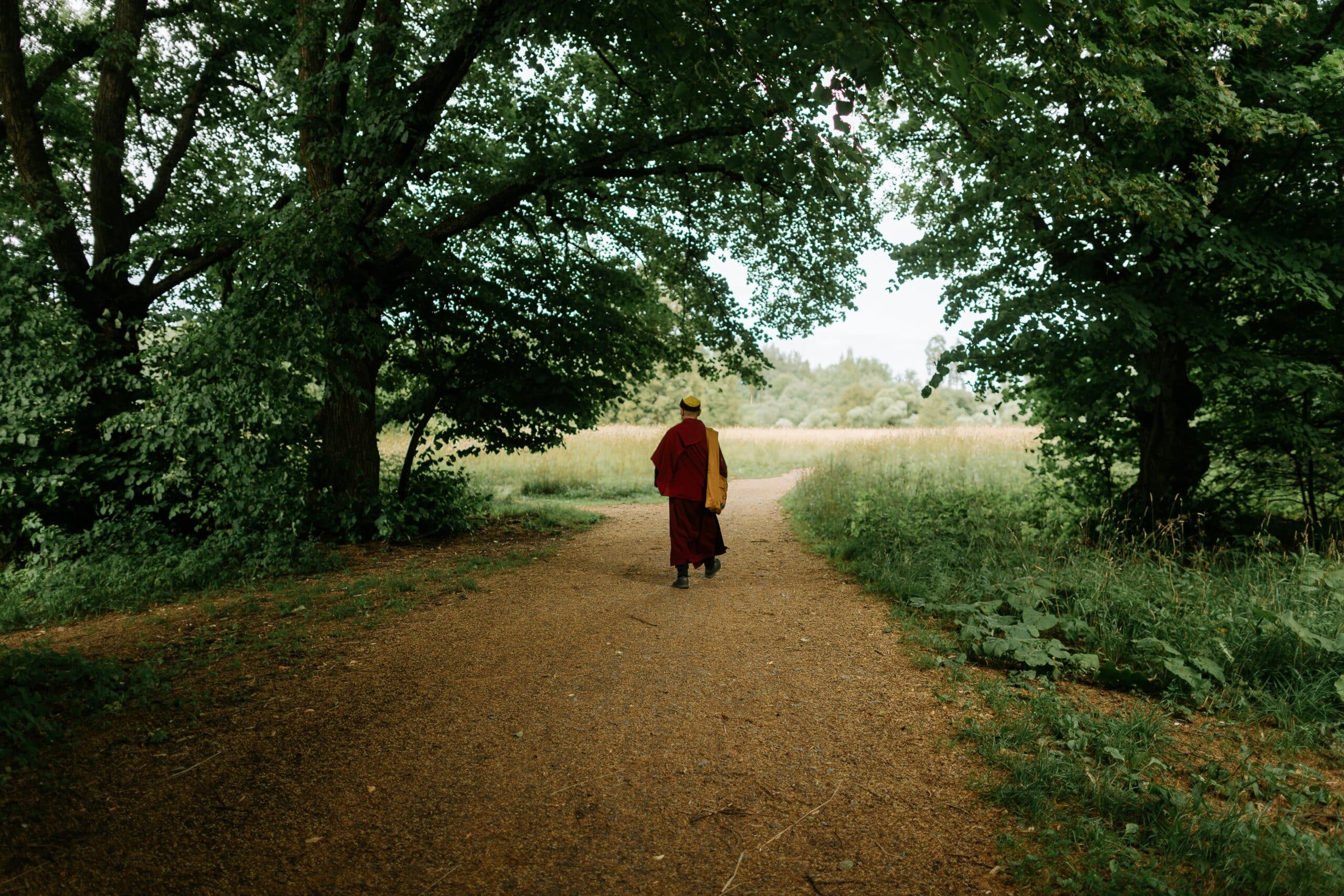
Walking meditation, known as “kinhin” in Zen Buddhism and “meditation in motion” across various traditions, has been practiced for millennia. Buddhist monks have long used this technique between sitting meditation sessions to maintain mindfulness while relieving physical stiffness. The practice recognizes a fundamental truth: meditation isn’t just about sitting still on a cushion—it’s about bringing awareness to every aspect of our lives.
In Vietnamese Zen master Thich Nhat Hanh’s teachings, walking meditation becomes an art form where each step connects us to the Earth and the present moment. His famous quote, “Walk as if you are kissing the Earth with your feet,” captures the reverence and attention this practice cultivates.
Today, walking meditation has transcended its spiritual origins to become a scientifically validated wellness practice. Researchers have discovered that this ancient technique offers remarkable benefits for mental health, physical well-being, and cognitive function.
Understanding the Essence of Walking Meditation
Walking meditation differs significantly from both regular walking and seated meditation. While a typical walk might involve listening to music, talking on the phone, or letting your mind wander freely, walking meditation requires focused attention on the physical sensations and experience of walking itself.
The practice involves moving at a deliberately slower pace than usual—sometimes extremely slowly—while directing your awareness to the sensations in your feet, legs, and body. You notice the lifting of your heel, the shifting of weight, the placement of your foot, and the contact with the ground beneath you.
This isn’t about reaching a destination or getting exercise, though those may be pleasant side effects. The destination is the present moment, and the journey is the practice itself.
Key Elements That Define the Practice
Several core components distinguish walking meditation from ordinary walking. First, there’s the intentional pace—usually much slower than your normal walking speed. This deliberate slowness allows you to notice sensations that typically escape your attention during routine movement.
Second, there’s the quality of attention. Rather than thinking about your day, planning the future, or rehashing the past, you anchor your awareness in the physical sensations of walking. When your mind wanders—and it will—you gently guide it back to the experience of your feet touching the ground.
Third, walking meditation cultivates a non-judgmental awareness. You’re not trying to walk “correctly” or achieve a particular state of mind. Instead, you’re simply observing your experience with curiosity and acceptance.
🧠 The Science Behind the Serenity
Modern neuroscience has begun to unravel why walking meditation proves so effective at transforming our mental and physical states. Studies using brain imaging technology show that regular meditation practice, including walking meditation, actually changes the structure and function of the brain.
Research published in the journal “Consciousness and Cognition” found that walking meditation significantly reduces anxiety levels and improves mood more effectively than walking without mindfulness. Participants who practiced walking meditation showed increased blood flow to the prefrontal cortex—the brain region associated with executive function, attention, and emotional regulation.
Another study in the “Journal of Alternative and Complementary Medicine” discovered that walking meditation improves balance, coordination, and body awareness in older adults, reducing fall risk while simultaneously decreasing symptoms of depression.
Physical Benefits That Extend Beyond the Mind
While walking meditation emphasizes mental cultivation, the physical benefits are substantial and well-documented. Regular practice improves cardiovascular health without the intensity of vigorous exercise, making it accessible to people of all fitness levels.
The practice enhances proprioception—your body’s sense of its position in space—which improves balance and coordination. This heightened body awareness often carries over into daily activities, helping you move more gracefully and avoid injury.
Walking meditation also aids digestion, particularly when practiced after meals. The gentle movement stimulates the digestive system while the relaxed state supports optimal digestive function. Many practitioners report reduced bloating and improved gastrointestinal comfort.
Beginning Your Walking Meditation Practice ✨
Starting a walking meditation practice requires no special training, though some guidance helps you establish effective habits. The beauty of this practice lies in its simplicity and accessibility—you can begin right now, wherever you are.
First, choose an appropriate location. For beginners, a quiet, flat path works best—perhaps in your garden, a park, or even a quiet hallway. You’ll want a space where you can walk 10-20 steps in one direction without obstacles. As you become more experienced, you can practice anywhere, even on busy city streets.
Stand still for a moment before beginning. Take several deep breaths and set your intention to be fully present for the practice. Feel your feet on the ground and notice your body’s sensations.
The Basic Walking Meditation Technique
Begin walking at a natural but slightly slower pace than usual. Direct your attention to the sensations in your feet and legs. Notice the lifting of one foot, the movement through space, and the placement on the ground.
Many practitioners find it helpful to mentally note the components of each step: “lifting, moving, placing” or simply “left, right.” This mental noting helps anchor attention and prevents the mind from wandering.
Coordinate your breathing with your steps if you find it helpful. You might take two or three steps for each inhale and the same number for each exhale. However, don’t force any particular breathing pattern—let your breath remain natural and comfortable.
When you reach the end of your walking path, pause mindfully, turn slowly, and begin walking in the opposite direction. Maintain awareness throughout the turning process, noticing the shifting sensations in your body.
🌟 Different Styles for Different Needs
Walking meditation encompasses various styles and speeds, each offering unique benefits. Experimenting with different approaches helps you discover what resonates with your temperament and circumstances.
Slow walking meditation, practiced at an extremely slow pace, cultivates intense concentration and body awareness. In this style, a single step might take 10-20 seconds. This practice proves particularly effective for deepening meditation skills and developing patience.
Natural-pace walking meditation maintains a more normal walking speed while sustaining mindful awareness. This style works well for longer sessions and integrates more easily into daily life. You can practice it during a commute, while walking to meetings, or during lunch breaks.
Contemplative walking combines mindful awareness with reflection on specific themes or questions. As you walk, you hold a question or topic lightly in awareness, allowing insights to emerge naturally without forced analysis.
Adapting Practice to Your Environment
Different environments offer distinct advantages for walking meditation. Indoor practice provides control over conditions and privacy, making it ideal for beginners or those who feel self-conscious. You can practice in a hallway, large room, or any space with sufficient walking distance.
Outdoor nature walking adds sensory richness to your practice. The sounds of birds, feeling of breeze, and changing terrain offer additional anchors for attention. Research shows that combining mindfulness practice with nature exposure amplifies benefits for both mental and physical health.
Urban walking meditation presents unique challenges and opportunities. The abundance of stimuli—traffic sounds, crowds, varied architecture—can strengthen your ability to maintain focus amid distraction. This environment helps you develop skills that transfer directly to everyday life situations.
Overcoming Common Obstacles and Challenges
Every practitioner encounters difficulties when establishing a walking meditation practice. Understanding common challenges and their solutions helps you maintain consistency and progress.
Many beginners report feeling self-conscious, especially when practicing slowly in public spaces. Remember that most people are far too absorbed in their own concerns to notice your practice. If self-consciousness persists, start with private practice or choose less populated areas until confidence builds.
Mind wandering represents perhaps the most universal challenge. Your attention will drift repeatedly—this is completely normal and not a sign of failure. The practice isn’t about preventing thoughts but about noticing when attention has wandered and gently returning to present-moment awareness.
Physical discomfort, particularly in the legs or feet, sometimes arises during practice. If pain occurs, adjust your pace or take a brief break. Walking meditation should never cause acute pain, though you may experience mild muscle fatigue as you develop strength and awareness.
Building Consistency Without Pressure
Establishing a regular practice requires balancing commitment with self-compassion. Start with modest goals—perhaps 5-10 minutes three times weekly—and build gradually. Consistency matters more than duration when developing any meditation practice.
Link your walking meditation to existing habits to increase adherence. You might practice for five minutes after morning coffee, during your lunch break, or before dinner. This habit-stacking technique leverages established routines to support new practices.
Track your practice without judgment. A simple journal noting when you practiced and any observations helps you notice patterns and progress without creating pressure or criticism.
🎯 Deepening Your Practice Over Time
As your basic walking meditation skills develop, you can explore more advanced techniques that deepen awareness and expand benefits. These refinements challenge you to bring even more subtle attention to your experience.
Expand your awareness beyond feet and legs to include your entire body. Notice your arms swinging, your spine’s alignment, the sensation of clothing against skin, and the play of muscles throughout your torso. This whole-body awareness creates a more complete meditation experience.
Practice walking meditation with open awareness, where instead of focusing narrowly on foot sensations, you maintain broad, receptive attention to all sensory experiences. Sounds, sights, smells, and physical sensations all appear in your awareness without attachment or analysis.
Experiment with walking meditation retreats or extended practice sessions. Walking for 30-60 minutes or longer allows you to move through different mental states and discover deeper layers of awareness that shorter sessions may not reveal.
Integrating Practice into Daily Life
The ultimate goal of walking meditation extends beyond formal practice sessions to transform how you move through the world. Every journey—to your car, through grocery store aisles, or across your home—becomes an opportunity for mindfulness.
Begin integrating brief moments of mindful walking throughout your day. When walking to the bathroom, bring full attention to those steps. Walking to your car after work, take the first 20 steps mindfully before allowing your attention to shift.
These micro-practices accumulate, gradually transforming your default mode of moving from unconscious habit to aware presence. Over time, mindful walking becomes less something you “do” and more simply how you walk.
Walking Meditation for Specific Needs 💚
Walking meditation proves remarkably adaptable to various conditions and goals. Tailoring your practice to specific needs maximizes relevance and benefits.
For anxiety management, walking meditation offers an embodied alternative to sitting practice, which some find activating rather than calming. The gentle physical activity helps discharge nervous energy while the focused attention interrupts anxious thought patterns.
People managing chronic pain often find walking meditation more accessible than seated practice. The movement prevents stiffness while the mindful awareness helps transform the relationship with pain from resistance to acceptance.
Those recovering from addiction use walking meditation as a tool for urge surfing—maintaining awareness through cravings without acting on them. The practice builds distress tolerance and strengthens the capacity to sit with discomfort.
Walking Meditation for Enhanced Creativity
Many creative professionals integrate walking meditation into their process. The combination of movement, relaxed awareness, and contact with environment often facilitates insight and problem-solving that elude us when we’re intensely focused at a desk.
The key is holding your creative question or challenge lightly rather than wrestling with it. Walk mindfully, allowing the question to remain in background awareness. Solutions and insights often emerge spontaneously when you stop forcing them.
Research supports this anecdotal evidence—studies show that walking boosts creative thinking, and adding mindfulness amplifies this effect by quieting the self-critical voice that often blocks creative flow.
🌈 Creating a Supportive Practice Environment
While walking meditation requires minimal equipment, creating supportive conditions enhances your practice and increases consistency. Small adjustments to your environment and approach make significant differences in practice quality.
Choose comfortable, appropriate footwear or practice barefoot when safe. You want to feel the ground clearly without discomfort or distraction. Many practitioners prefer minimal footwear that allows maximum ground contact and sensory feedback.
Consider weather and temperature when practicing outdoors. Dress in layers so you can adjust as needed, and don’t let less-than-perfect conditions deter you—walking meditation in light rain or cool weather offers unique sensory experiences that deepen practice.
If using guided instruction, select high-quality recordings from experienced teachers. Several meditation apps now include walking meditation guidance specifically designed to support mobile practice.
The Ripple Effects: How Walking Meditation Transforms Life
Regular walking meditation practice creates changes that extend far beyond the practice sessions themselves. These ripple effects touch virtually every aspect of life, often in surprising ways.
Practitioners frequently report improved relationships. The patience, presence, and non-reactivity cultivated during practice naturally transfer to interactions with family, friends, and colleagues. You become better at truly listening and responding thoughtfully rather than reacting automatically.
Decision-making often improves as walking meditation strengthens the connection between mind and body. You develop better access to intuition and bodily wisdom, complementing rational analysis with felt sense.
Many people discover that walking meditation reduces the constant need for distraction and stimulation. The practice trains you to find satisfaction in simple, present-moment experience rather than constantly seeking the next source of entertainment or information.
Measuring Progress Without Attachment
Paradoxically, walking meditation works best when you release attachment to results. However, noticing changes helps maintain motivation and refine your approach. Progress manifests in subtle ways that differ for each practitioner.
You might notice increased ability to concentrate on tasks, reduced reactivity to stressful situations, or simply feeling more grounded and present throughout the day. Physical changes like improved posture, better balance, or reduced tension often accompany the mental shifts.
Rather than evaluating each session as “good” or “bad,” consider the long-term trajectory. Are you practicing more consistently? Do you notice moments of mindfulness appearing spontaneously during daily activities? These indicators matter more than any single session’s quality.
🚶♀️ Your Journey Begins With a Single Step
Walking meditation offers a bridge between formal spiritual practice and everyday life. It demonstrates that transformation doesn’t require extraordinary circumstances—magic exists in the ordinary when we bring full awareness to our experience.
The practice teaches essential life skills: patience, presence, acceptance, and the ability to begin again after distraction. These qualities serve you not only during meditation but in every challenging moment life presents.
Starting a walking meditation practice requires no dramatic life changes or significant time investments. Five mindful minutes today plants a seed that, with gentle nurturing, grows into a lifelong source of peace, clarity, and connection.
As you take your first intentional steps into this practice, remember that every master was once a beginner. The path unfolds one step at a time, and each step taken with awareness is complete in itself. There’s nowhere to arrive except here, nothing to achieve except this moment, nothing to become except more fully yourself.
The invitation stands before you: step into serenity, transform your mind and body, and discover the profound wisdom available in the simple act of walking. Your journey begins now, with whatever pace feels right, in whatever space you find yourself. Take that first mindful step, and let the practice reveal what it has to teach you.

Toni Santos is a visual storyteller and sartorial artisan whose work revives the forgotten threads of historical fashion. With a deep fascination for garments lost to time, Toni weaves together art, memory, and material culture to illuminate the styles, symbols, and silent codes once stitched into humanity’s past.
His creative journey is rooted in a passion for clothing as narrative — from ceremonial robes of vanished empires to the subtle embroidery of medieval outcasts, from whispered meanings in Victorian accessories to the ritual adornments of ancient rites. Each piece Toni brings to life is more than aesthetic; it’s an echo of identity, power, belief, and transformation across centuries.
With a background in visual design and handcrafted techniques, Toni blends historical research with creative interpretation. His work reimagines the overlooked: the feathered cloaks, perfumed gloves, symbolic fastenings, and forbidden textiles that once defined entire cultures — now reborn as visual artifacts that speak across time.
As the visionary behind Vizovex, Toni shares stories, artworks, and curated collections that reconnect audiences with the deeper meaning of what we wear — and what clothing reveals when it is finally seen not just as fashion, but as forgotten language.
His work is a tribute to:
The poetry of garments lost in history’s folds
The cultural codes woven into ancient textiles
The beauty of attire as identity, memory, and myth
Whether you’re a fashion historian, a designer seeking timeless inspiration, or simply drawn to the mystery of what people once wore and why, Toni invites you to explore a world where forgotten fashions are revived — one stitch, one silhouette, one story at a time.