Gratitude and mindfulness aren’t just buzzwords—they’re powerful tools that can fundamentally reshape how you experience life, unlocking deeper joy and lasting transformation.
🌟 Why Gratitude Practices Matter More Than Ever
In our fast-paced, digitally saturated world, it’s easy to lose sight of what truly matters. We’re constantly bombarded with messages telling us we need more—more success, more possessions, more validation. This perpetual state of wanting creates a cycle of dissatisfaction that leaves us feeling empty, regardless of our actual circumstances.
Gratitude practices offer a powerful antidote to this modern malaise. By intentionally directing our attention toward what we already have, we rewire our brains to recognize abundance rather than scarcity. This isn’t about toxic positivity or ignoring real challenges; it’s about developing a balanced perspective that acknowledges both difficulties and blessings.
Scientific research consistently demonstrates that regular gratitude practice leads to measurable improvements in mental health, physical wellbeing, and relationship satisfaction. When combined with mindful awareness, these practices become even more transformative, creating a foundation for genuine, sustainable happiness.
The Neuroscience Behind Gratitude and Joy
Understanding how gratitude affects your brain can strengthen your commitment to practicing it. When you experience genuine gratitude, your brain releases dopamine and serotonin—neurotransmitters responsible for feelings of pleasure and contentment. This creates a positive feedback loop: the more you practice gratitude, the more your brain seeks out reasons to be grateful.
Research from neuroscience labs reveals that consistent gratitude practice actually changes brain structure over time. The prefrontal cortex, responsible for decision-making and emotional regulation, shows increased activity and density in people who maintain regular gratitude practices. This means you’re literally building stronger neural pathways for positivity and resilience.
Additionally, gratitude reduces activity in the amygdala, the brain’s fear and stress center. This explains why grateful people tend to experience less anxiety and recover more quickly from traumatic events. Your brain becomes more adept at finding calm and perspective, even during challenging circumstances.
The Stress-Reduction Connection 💆
Chronic stress is one of the most significant health challenges of our time, contributing to everything from heart disease to depression. Gratitude practices directly counteract stress by activating the parasympathetic nervous system—your body’s natural relaxation response.
When you focus on what you’re grateful for, your heart rate variability improves, cortisol levels decrease, and blood pressure normalizes. These aren’t minor benefits; they represent fundamental shifts in how your body responds to daily pressures. Over time, this creates a more resilient physiological baseline, making you better equipped to handle whatever life throws your way.
Practical Gratitude Practices That Create Real Change
Knowing about gratitude’s benefits is one thing; implementing effective practices is another. The key is finding approaches that resonate with your lifestyle and personality, then committing to them with consistency.
The Classic Gratitude Journal
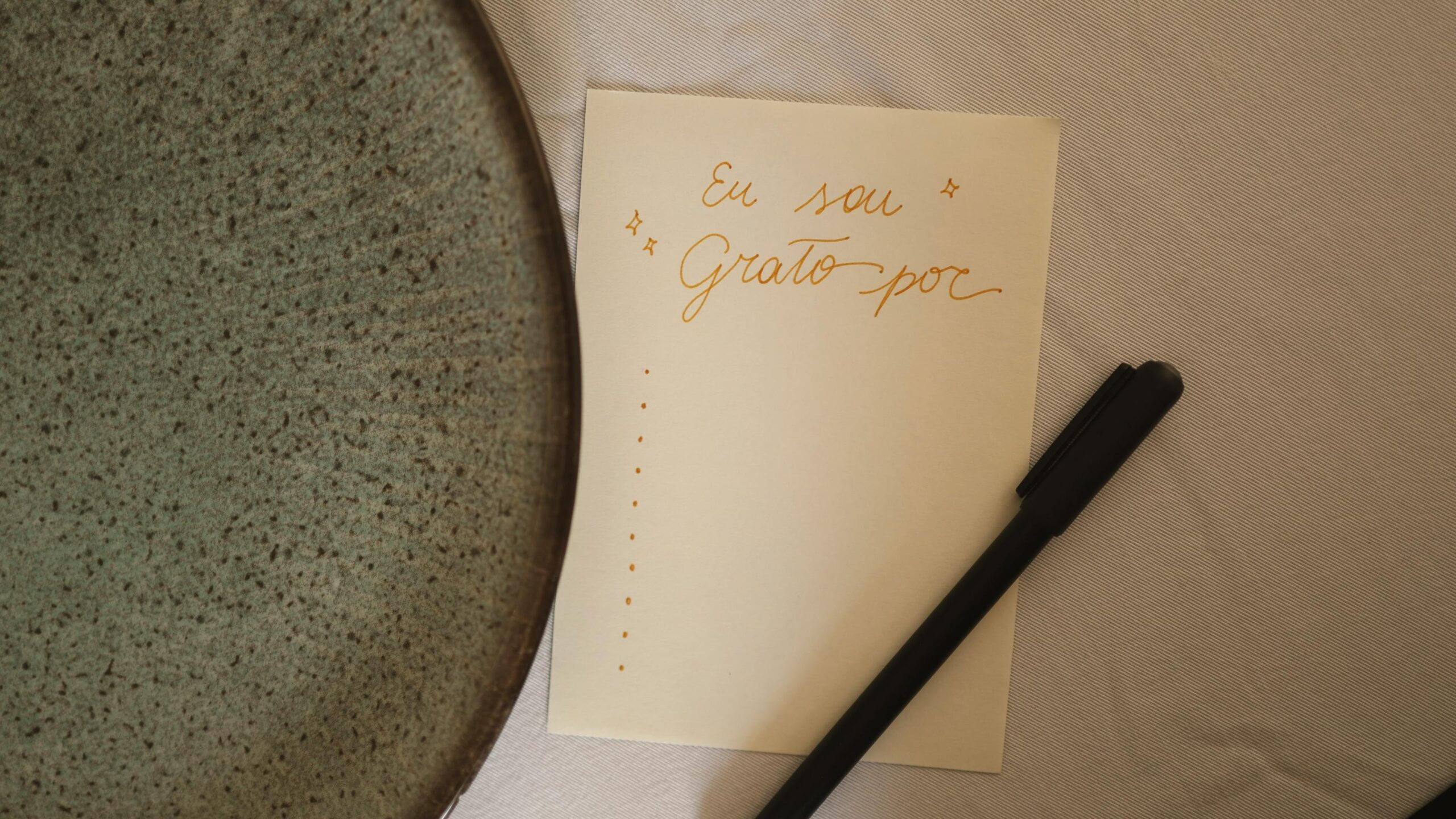
The gratitude journal remains popular because it works. The practice is simple: each day, write down three to five things you’re grateful for. The magic lies in the details—instead of generic entries like “my family,” try “the way my partner made me laugh during breakfast” or “how my daughter showed kindness to her younger brother.”
Specificity activates stronger emotional responses and creates more vivid memories. Over time, your journal becomes a treasure trove of positive experiences you can revisit during difficult periods. Many people find that evening journaling helps them end the day on a positive note, improving sleep quality and overnight stress recovery.
Gratitude Meditation and Mindful Awareness
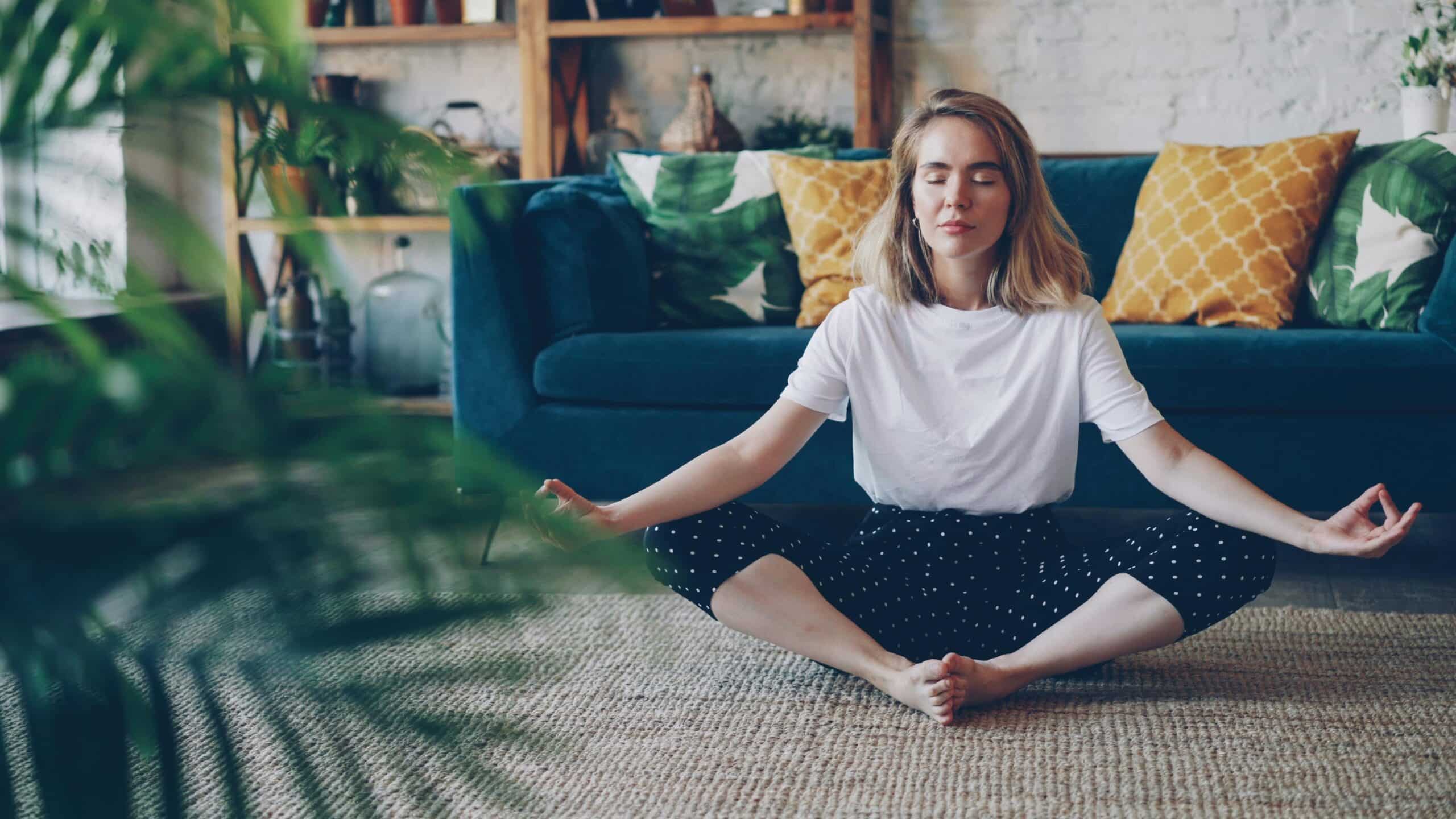
Combining gratitude with meditation amplifies both practices. Begin with five minutes of mindful breathing to settle your mind, then bring to awareness something you’re grateful for. Don’t just think about it intellectually—allow yourself to feel the associated emotions in your body.
Notice where gratitude manifests physically. Does your chest feel warmer? Do your shoulders relax? This embodied awareness strengthens the neural connections between gratitude thoughts and positive physical sensations, making the practice more powerful over time.
As you develop this skill, you can extend gratitude awareness throughout your day. While washing dishes, appreciate having clean water and food to eat. During your commute, feel grateful for the ability to move through the world. These micro-moments of gratitude accumulate, gradually shifting your default mental state.
The Gratitude Walk 🚶
Physical movement combined with gratitude practice offers unique benefits. During a gratitude walk, you intentionally notice things around you that spark appreciation—the way sunlight filters through leaves, a neighbor’s cheerful garden, the architectural details of buildings you usually overlook.
This practice trains your attention to seek beauty and goodness in everyday environments. It also provides the mood-boosting benefits of exercise and nature exposure, creating a synergistic effect that’s greater than any single practice alone.
Overcoming Common Obstacles to Gratitude Practice
Despite gratitude’s proven benefits, many people struggle to maintain consistent practices. Understanding common obstacles helps you navigate them more effectively.
When Gratitude Feels Forced or Fake
If gratitude practice feels like empty repetition, you’re likely operating from your head rather than your heart. The solution isn’t to abandon the practice but to shift your approach. Start smaller and more specific. Instead of listing five things, focus on one experience and explore it deeply.
Ask yourself: What sensory details do I remember? How did this experience affect me? Who contributed to making this moment possible? This deeper exploration activates authentic emotional responses rather than superficial checkbox thinking.
Practicing Gratitude During Difficult Times
Perhaps the biggest misconception about gratitude is that it requires ignoring or minimizing real problems. Authentic gratitude practice acknowledges difficulties while also recognizing what remains good and supportive in your life.
During challenging periods, your gratitude might focus on basics: the friend who listened without judgment, your body’s resilience, or simply making it through another day. This isn’t about pretending everything is fine; it’s about maintaining perspective and recognizing sources of strength and support.
Research shows that people who maintain gratitude practices during adversity recover more quickly and experience post-traumatic growth more frequently than those who don’t. The practice becomes an anchor, reminding you that difficulty isn’t the complete picture.
Mindful Awareness: The Foundation for Deeper Gratitude ✨
Mindfulness and gratitude are deeply interconnected. Mindfulness—the practice of present-moment awareness without judgment—creates the mental space necessary for gratitude to arise naturally.
When you’re constantly lost in thoughts about the past or future, you miss the small moments of beauty and connection that occur throughout each day. Mindful awareness trains you to notice these moments, creating countless opportunities for spontaneous gratitude.
Cultivating Present-Moment Awareness
Begin with simple breath awareness. Several times daily, pause and take three conscious breaths, noticing the sensation of air entering and leaving your body. This brief practice interrupts automatic mental patterns and brings you into the present moment.
From this present-centered state, you’re more likely to notice things worth appreciating. The warmth of your coffee, a colleague’s genuine smile, the comfort of your chair—these ordinary experiences become sources of gratitude when you’re actually present for them.
As this awareness strengthens, you’ll find yourself naturally noticing more positive aspects of your experience throughout the day, without having to deliberately seek them out. This is when gratitude practice truly transforms from a technique into a way of being.
Mindful Appreciation of Challenges
Advanced mindfulness practice involves bringing awareness to difficult experiences without immediately trying to fix or escape them. This creates space to recognize growth opportunities and hidden benefits within challenges.
You might notice how a professional setback revealed who your real supporters are, or how a health challenge taught you to listen to your body more carefully. This isn’t about being grateful for the difficulty itself, but recognizing the strength, wisdom, or connection that emerged through navigating it.
Building a Sustainable Gratitude and Mindfulness Routine
Transformation doesn’t come from occasional practice but from consistent integration into daily life. The key is creating a routine that’s realistic for your actual circumstances rather than an idealized version of your life.
Start Small and Stack Habits 📚
Rather than committing to an hour of practice daily, begin with two minutes. Link your gratitude practice to an existing habit—for example, listing three things you’re grateful for while your morning coffee brews, or taking three grateful breaths before starting your car.
This habit-stacking approach leverages existing neural pathways, making new practices easier to maintain. Once the two-minute practice becomes automatic, you can gradually expand if desired, but you may find that these brief, consistent moments create significant impact without requiring major time investment.
Create Environmental Reminders
Visual cues can prompt gratitude practice throughout your day. Place sticky notes with simple prompts like “What’s good right now?” in strategic locations—your bathroom mirror, computer monitor, or car dashboard.
Set phone reminders with gentle prompts for mindful breathing or gratitude check-ins. The goal isn’t to create more tasks but to weave awareness into the fabric of your existing routine.
The Ripple Effect: How Your Practice Impacts Others 🌊
One of gratitude’s most beautiful aspects is how it naturally extends outward. When you regularly practice gratitude, you become more likely to express appreciation to others, creating positive cycles in your relationships.
Research shows that expressing gratitude to others strengthens relationships, increases trust, and creates reciprocal positive behaviors. When you thank someone specifically and sincerely, you not only boost their mood but also deepen your connection and increase the likelihood they’ll engage in helpful behaviors in the future.
Beyond individual relationships, grateful people tend to be more generous, helpful, and community-oriented. Your personal practice can contribute to creating more positive, connected environments in your family, workplace, and broader community.
Teaching Gratitude to Children
If you have children in your life, modeling gratitude practice offers them invaluable tools for lifelong wellbeing. Simple practices like sharing gratitudes at dinner or bedtime create family rituals that children often maintain into adulthood.
Children who learn gratitude early show better emotional regulation, stronger social relationships, and greater resilience. You’re not just improving your own life but potentially influencing future generations’ capacity for joy and connection.
Measuring Your Progress and Celebrating Growth
Unlike some practices with obvious external markers, gratitude’s benefits can be subtle and gradual. Tracking your experience helps you recognize progress and maintain motivation.
Consider keeping notes on how you feel after practice sessions, changes in your overall mood, improvements in relationships, or shifts in how you handle stress. Over weeks and months, patterns emerge that demonstrate the practice’s impact.
Some people notice they’re sleeping better, arguing less with loved ones, or recovering from setbacks more quickly. Others report a general sense of increased contentment or decreased anxiety. Your specific benefits will be unique to you, which is why personal tracking is valuable.
Living Gratefully: Beyond Techniques to Transformation 💫
The ultimate goal of gratitude practice isn’t to complete a daily checklist but to fundamentally shift how you relate to your life. Over time, gratitude evolves from something you do into something you are—a lens through which you naturally perceive the world.
This doesn’t mean you’ll never experience negative emotions or face real difficulties. It means you’ll have a more balanced perspective, greater resilience, and deeper appreciation for the full spectrum of human experience. You’ll find joy in ordinary moments, connection in unexpected places, and meaning even in challenges.
The transformation isn’t always dramatic or obvious. It’s often a quiet shift—noticing one day that you’re generally happier, that difficulties don’t overwhelm you as they once did, that you feel more connected to others and more at home in your own life.
Your Journey Begins with This Moment
You don’t need perfect circumstances to begin practicing gratitude and mindfulness. You don’t need more time, fewer problems, or a different life situation. You simply need to begin, right where you are, with what you have.
Take a moment now to notice three things in your immediate environment that you appreciate. Feel the gratitude in your body, not just as a thought but as an embodied experience. This moment, right now, is your starting point for transformation.
The practices outlined in this article are tools, but your consistent engagement is what creates change. Some days will feel easier than others. Some practices will resonate more deeply than others. The invitation is to experiment, discover what works for you, and commit to showing up for yourself and your wellbeing.
Gratitude and mindful awareness offer a path to genuine, sustainable joy that doesn’t depend on external circumstances constantly aligning perfectly. They provide access to a deeper contentment that’s always available, waiting for your attention to illuminate it. Your transformed life is already here, waiting to be recognized and appreciated. The power to unlock it has been within you all along. 🌟

Toni Santos is a visual storyteller and sartorial artisan whose work revives the forgotten threads of historical fashion. With a deep fascination for garments lost to time, Toni weaves together art, memory, and material culture to illuminate the styles, symbols, and silent codes once stitched into humanity’s past.
His creative journey is rooted in a passion for clothing as narrative — from ceremonial robes of vanished empires to the subtle embroidery of medieval outcasts, from whispered meanings in Victorian accessories to the ritual adornments of ancient rites. Each piece Toni brings to life is more than aesthetic; it’s an echo of identity, power, belief, and transformation across centuries.
With a background in visual design and handcrafted techniques, Toni blends historical research with creative interpretation. His work reimagines the overlooked: the feathered cloaks, perfumed gloves, symbolic fastenings, and forbidden textiles that once defined entire cultures — now reborn as visual artifacts that speak across time.
As the visionary behind Vizovex, Toni shares stories, artworks, and curated collections that reconnect audiences with the deeper meaning of what we wear — and what clothing reveals when it is finally seen not just as fashion, but as forgotten language.
His work is a tribute to:
The poetry of garments lost in history’s folds
The cultural codes woven into ancient textiles
The beauty of attire as identity, memory, and myth
Whether you’re a fashion historian, a designer seeking timeless inspiration, or simply drawn to the mystery of what people once wore and why, Toni invites you to explore a world where forgotten fashions are revived — one stitch, one silhouette, one story at a time.