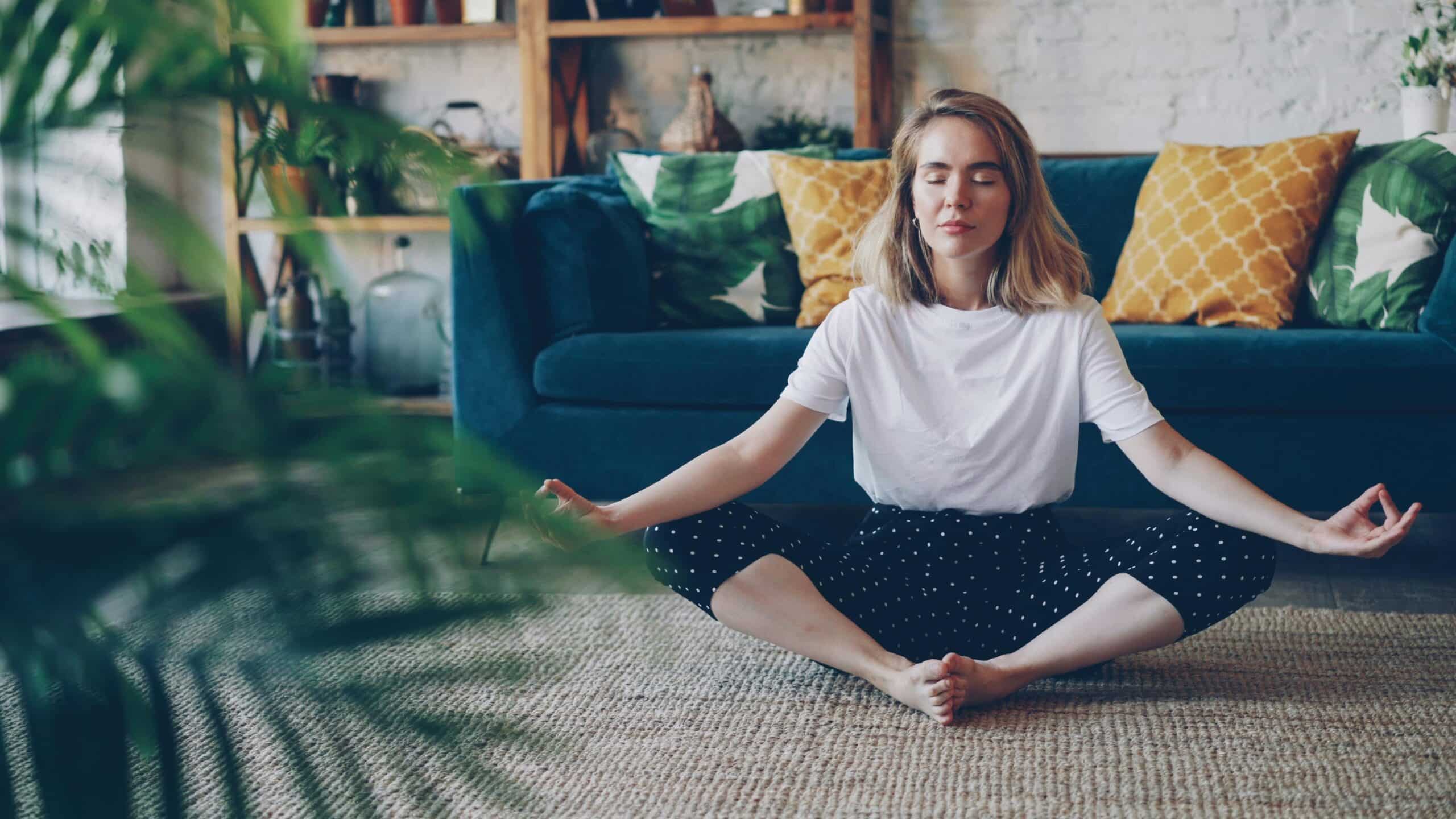
Visualization in meditation offers a transformative pathway to inner peace, combining the power of imagination with mindfulness to reshape your mental and spiritual landscape.
In our fast-paced modern world, finding moments of genuine tranquility can feel like searching for an oasis in a desert. Our minds constantly race with worries, obligations, and digital distractions, leaving us disconnected from our inner selves. Yet within each of us lies an extraordinary capacity for peace, healing, and transformation—accessible through the ancient practice of visualization meditation.
This powerful technique bridges the gap between our conscious desires and subconscious programming, creating profound shifts in how we experience life. By harnessing mental imagery during meditation, we can rewire neural pathways, release emotional blockages, and cultivate the deep serenity we desperately seek.
🧘 Understanding the Science Behind Visualization Meditation
Visualization meditation isn’t merely wishful thinking or daydreaming—it’s grounded in neuroscience and psychology. When you vividly imagine an experience, your brain activates many of the same neural networks as when you actually live that experience. This phenomenon, known as mental rehearsal, has been studied extensively in sports psychology, therapy, and neuroscience.
Research shows that visualization activates the prefrontal cortex, which governs decision-making and emotional regulation. It also engages the limbic system, particularly the amygdala and hippocampus, which process emotions and memories. When practiced regularly, visualization meditation can literally reshape your brain through neuroplasticity—the brain’s ability to form new connections and patterns.
Studies have demonstrated that visualization practices can reduce cortisol levels, lower blood pressure, decrease anxiety symptoms, and improve overall emotional well-being. The practice essentially teaches your nervous system to shift from fight-or-flight mode into rest-and-digest mode, creating the physiological foundation for inner peace.
✨ The Fundamental Elements of Effective Visualization Practice
Successful visualization meditation requires more than simply closing your eyes and imagining pleasant scenes. To unlock its transformative potential, you need to understand and integrate several key components into your practice.
Sensory Richness and Detail
The most powerful visualizations engage all five senses. Rather than creating a vague mental picture, immerse yourself fully in the imagined experience. What do you see in vivid color and detail? What sounds surround you? What textures can you feel? What scents fill the air? This multisensory approach creates deeper neural activation and stronger emotional resonance.
Emotional Engagement
Connecting with the feelings associated with your visualization amplifies its impact. If you’re visualizing a peaceful beach, don’t just see the ocean—feel the profound calm, the gentle joy, the complete safety. These emotional connections signal to your subconscious that the experience is meaningful, making lasting transformation more likely.
Consistency and Repetition
Like building muscle through regular exercise, visualization meditation strengthens with repetition. Daily practice, even for just ten to fifteen minutes, creates cumulative benefits that far exceed occasional longer sessions. Your brain needs repeated exposure to forge new neural pathways and make peace your default state.
🌟 Powerful Visualization Techniques for Inner Peace
Different visualization approaches serve different purposes and resonate with different personalities. Exploring various techniques helps you discover which methods unlock your personal path to tranquility.
The Safe Haven Visualization
This foundational technique involves creating a detailed mental sanctuary—a place of absolute peace and safety that exists entirely within your imagination. Your safe haven might be a secluded beach, a forest clearing, a cozy mountain cabin, or even a fantastical location beyond earthly possibilities.
Begin by settling into a comfortable meditation posture. Close your eyes and take several deep breaths, allowing tension to melt away. Then, construct your sanctuary detail by detail. Notice the quality of light, the temperature, the textures beneath your feet. Add elements that enhance your sense of security and peace—perhaps a protective barrier, comforting sounds, or healing light.
Return to this safe haven regularly, especially during stressful times. Your brain will begin associating this mental place with deep relaxation, making it easier to access peace whenever needed.
The Healing Light Meditation
This technique uses light as a metaphor for healing, purification, and transformation. Imagine a brilliant, warm light entering your body through the crown of your head. This light might be golden, white, or any color that feels healing to you.
Visualize this light slowly descending through your body, illuminating every cell, dissolving tension, fear, and negativity. As the light moves through each area—your face, throat, chest, abdomen, limbs—imagine it clearing blockages and restoring balance. Some practitioners visualize darkness or shadow leaving the body as the light enters, representing the release of accumulated stress and trauma.
This visualization is particularly effective for emotional healing and cultivating self-compassion. It can be adapted to focus on specific areas where you hold tension or trauma.
Nature Connection Visualization
Connecting with natural elements through visualization taps into our deep evolutionary bond with the earth. Even if you live in an urban environment, you can access nature’s peace-inducing qualities through mental imagery.
Imagine yourself as a tree, with roots extending deep into the earth, drawing up nourishing energy and stability. Feel branches reaching toward the sky, flexible yet strong, able to bend with life’s winds without breaking. Or visualize yourself as a mountain—solid, unmovable, weathering all storms with timeless patience.
Water visualizations are equally powerful. Imagine standing beneath a waterfall that washes away all stress, or floating effortlessly in a calm lake, held safely by the water’s embrace. These nature-based images speak to something primal within us, creating profound relaxation responses.
The Inner Child Meditation
Many of our adult anxieties and disturbances stem from unhealed childhood wounds. This visualization technique involves meeting your younger self with compassion and wisdom.
In your meditation, visualize yourself as a child at an age when you needed comfort or protection. Approach this child-self with unconditional love. What does this younger version of you need to hear? What comfort can you offer? Imagine embracing this child, offering reassurance, and creating a sense of safety that perhaps was missing.
This practice can release deep emotional blockages and cultivate the self-compassion essential for lasting inner peace. It acknowledges that healing often requires addressing our foundational experiences and relationships.
🎯 Integrating Visualization into Your Daily Meditation Practice
Understanding techniques is valuable, but transformation comes through consistent application. Creating a sustainable visualization meditation practice requires intention, structure, and flexibility.
Establishing Your Practice Foundation
Choose a consistent time and place for your practice. Early morning often works well, as your mind is less cluttered with daily concerns. However, the best time is whenever you can practice regularly. Create a dedicated space that signals to your brain that meditation is about to happen—this might include a cushion, candles, or meaningful objects.
Start with realistic durations. Five to ten minutes daily is far more beneficial than ambitious forty-minute sessions you can’t maintain. As the habit solidifies, naturally extend your practice time as it feels appropriate.
Combining Breath Awareness and Visualization
Breath provides an anchor that prevents visualization from becoming mere daydreaming. Begin each session with several minutes of simple breath awareness, noticing the natural rhythm of inhalation and exhalation. This settles your mind and creates the focused attention necessary for effective visualization.
As you transition into visualization, maintain gentle awareness of your breath. If you notice your mind wandering into unrelated thoughts or worries, use the breath as a touchstone to return to your intended visualization.
Journaling Your Visualization Experiences
Keeping a brief meditation journal deepens your practice and tracks your progress. After each session, spend just two or three minutes noting what you visualized, what feelings arose, and any insights that emerged. Over time, you’ll notice patterns and can refine your approach based on what resonates most powerfully.
This reflection also helps you recognize the cumulative benefits of practice. Inner peace doesn’t always arrive as a dramatic transformation—often it’s a gradual shift you might miss without intentional tracking.
💫 Overcoming Common Visualization Challenges
Even with understanding and commitment, practitioners encounter obstacles. Recognizing common challenges and having strategies to address them prevents discouragement.
When Mental Images Won’t Come
Some people struggle to create vivid mental pictures, a condition called aphantasia. If you cannot “see” images clearly, don’t abandon visualization—adapt it. Focus instead on feelings, sensations, sounds, or simply knowing. You might not see a beach, but you can feel warmth, hear waves, and sense peacefulness. This embodied approach can be equally transformative.
Managing Mind Wandering
A wandering mind is completely normal, especially when beginning meditation. Rather than viewing mental distractions as failure, see them as opportunities to practice gentle redirection. Each time you notice your thoughts drifting and bring attention back to your visualization, you’re strengthening your concentration muscle.
Some days will have more mental chatter than others. Accept this natural fluctuation without judgment, knowing that even “difficult” meditation sessions provide benefits.
Addressing Emotional Intensity
Visualization can sometimes surface uncomfortable emotions or memories, especially when working with healing-focused techniques. This isn’t a problem—it’s often part of the healing process. However, if emotions become overwhelming, gently open your eyes, focus on your breath, and ground yourself in your physical surroundings.
For those working through significant trauma, practicing under the guidance of a therapist trained in visualization or guided imagery ensures you have proper support for whatever emerges.
🌈 Advanced Visualization Practices for Deepening Peace
Once you’ve established a foundational practice, advanced techniques can deepen your experience and address specific aspects of inner transformation.
Progressive Chakra Visualization
This technique draws from yogic traditions, using the chakra system as a framework for full-spectrum healing and balance. Visualize each energy center from root to crown, imagining its associated color becoming vibrant and balanced. This systematic approach addresses physical, emotional, and spiritual dimensions of well-being.
Timeline Healing Visualization
This practice involves visualizing your life as a timeline stretching from birth to the present and into the future. Float above this timeline and send healing light to moments that still carry pain or difficulty. This perspective-shifting technique can release patterns rooted in past experiences and create new possibilities for your future.
Compassion Expansion Practice
Begin by visualizing yourself filled with peace and well-being. Then gradually expand this feeling outward—first to loved ones, then to neutral people, eventually to difficult people, and finally to all beings everywhere. This loving-kindness visualization cultivates the open-hearted compassion that forms the foundation of deep inner peace.
🌿 Creating Lasting Transformation Beyond the Meditation Cushion
The ultimate goal isn’t just peaceful meditation sessions—it’s carrying that inner peace into daily life. Several practices help bridge your meditation experience with moment-to-moment living.
Mini-Visualizations Throughout Your Day
You don’t need twenty minutes of formal practice to access visualization’s benefits. Develop brief one-to-two-minute visualizations you can use during daily activities. Before a stressful meeting, visualize yourself calm and confident. While stuck in traffic, imagine stress draining from your body like water. These micro-practices maintain your connection to peace throughout the day.
Anchoring Peace with Physical Gestures
During deep visualization experiences, create a simple physical anchor—perhaps touching your thumb and forefinger together or placing your hand over your heart. Consistently pairing this gesture with your peaceful state creates a conditioned response. Eventually, using this anchor during daily stress can trigger the relaxation response you’ve cultivated in meditation.
Environmental Reminders of Your Practice
Place objects in your environment that remind you of your visualization practice. A small stone might represent your mountain meditation, while a shell recalls your ocean visualization. These tangible reminders help you maintain connection with your inner work throughout busy days.
🔮 Measuring Your Progress and Celebrating Growth
Inner peace develops gradually, making progress sometimes difficult to recognize. Intentionally noticing changes helps maintain motivation and deepens your commitment to practice.
Rather than seeking dramatic transformations, watch for subtle shifts: Do you recover from stress more quickly? Are you sleeping better? Do difficult situations feel slightly more manageable? Are you experiencing moments of spontaneous calm? These small indicators often precede more obvious changes.
Celebrate these incremental improvements. Transformation is rarely linear—there will be advances and retreats, good meditation days and challenging ones. Trust the process, knowing that consistent practice creates cumulative benefits that compound over time.
Consider reassessing every few months using concrete markers: your stress levels, sleep quality, relationship satisfaction, or physical tension. Documenting these areas reveals progress you might otherwise overlook.
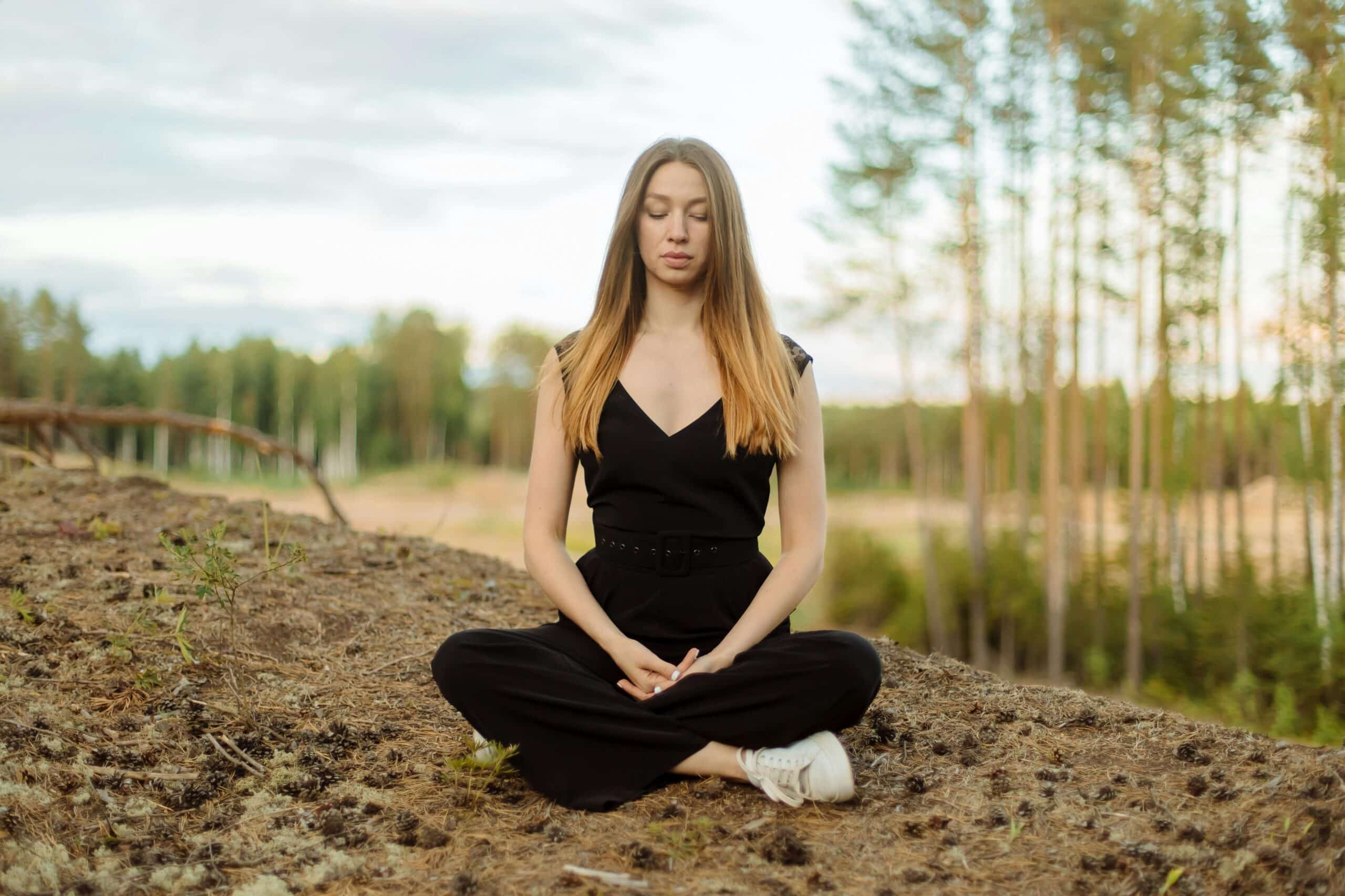
🌸 Your Journey Toward Lasting Inner Peace Begins Now
Visualization meditation offers a profound yet accessible path to the inner peace that so many of us seek. Unlike circumstances we cannot control—external stressors, other people’s behaviors, or life’s inevitable challenges—our inner landscape remains ultimately within our influence. Through consistent visualization practice, we reclaim this power, gradually transforming our minds and souls.
The techniques shared here provide a starting point, but your practice will become uniquely yours. Trust your intuition about which visualizations resonate most deeply. Allow your practice to evolve as you grow. Some techniques will become lifelong companions, while others serve temporary purposes before you move beyond them.
Remember that seeking inner peace isn’t selfish—it’s essential. From a foundation of personal peace, you naturally extend greater patience, compassion, and presence to everyone you encounter. Your calm becomes contagious, creating ripples that extend far beyond your individual experience.
Start today, even if only for five minutes. Close your eyes, take a few deep breaths, and begin visualizing the peace you seek. With each practice session, you’re not just imagining transformation—you’re actively creating it, rewiring your brain and reshaping your soul toward the tranquility that is your birthright.
The journey to inner peace through visualization meditation isn’t always easy, but it’s invariably worthwhile. Every moment invested in this practice is a moment invested in yourself, in your well-being, and in your capacity to live with greater ease and joy. Your transformed mind and soul await—step onto this path with confidence and compassion for yourself, trusting that peace is not only possible but inevitable with dedicated practice.

Toni Santos is a visual storyteller and sartorial artisan whose work revives the forgotten threads of historical fashion. With a deep fascination for garments lost to time, Toni weaves together art, memory, and material culture to illuminate the styles, symbols, and silent codes once stitched into humanity’s past.
His creative journey is rooted in a passion for clothing as narrative — from ceremonial robes of vanished empires to the subtle embroidery of medieval outcasts, from whispered meanings in Victorian accessories to the ritual adornments of ancient rites. Each piece Toni brings to life is more than aesthetic; it’s an echo of identity, power, belief, and transformation across centuries.
With a background in visual design and handcrafted techniques, Toni blends historical research with creative interpretation. His work reimagines the overlooked: the feathered cloaks, perfumed gloves, symbolic fastenings, and forbidden textiles that once defined entire cultures — now reborn as visual artifacts that speak across time.
As the visionary behind Vizovex, Toni shares stories, artworks, and curated collections that reconnect audiences with the deeper meaning of what we wear — and what clothing reveals when it is finally seen not just as fashion, but as forgotten language.
His work is a tribute to:
The poetry of garments lost in history’s folds
The cultural codes woven into ancient textiles
The beauty of attire as identity, memory, and myth
Whether you’re a fashion historian, a designer seeking timeless inspiration, or simply drawn to the mystery of what people once wore and why, Toni invites you to explore a world where forgotten fashions are revived — one stitch, one silhouette, one story at a time.