Building physical resilience isn’t just about muscles—it’s about creating an unshakeable foundation that empowers every dimension of your life, from mental clarity to emotional balance.
🌟 The Foundation of True Strength: Understanding Resilience and Physical Health
Physical health and resilience form an inseparable partnership that determines how we navigate life’s challenges. While many people focus solely on aesthetic goals or temporary fitness trends, true strength emerges from cultivating both body and mind together. This holistic approach transforms ordinary fitness routines into powerful tools for building unstoppable resilience.
Resilience represents our capacity to recover quickly from difficulties, adapt to change, and keep going despite setbacks. When combined with optimal physical health, this trait becomes a superpower that enhances every area of existence. The connection runs deeper than surface-level benefits—your physical condition directly influences stress management, cognitive function, emotional regulation, and overall life satisfaction.
Research consistently demonstrates that individuals who prioritize physical wellness experience lower rates of depression, anxiety, and chronic diseases. They also report higher energy levels, improved sleep quality, and greater confidence in handling unexpected challenges. This isn’t coincidental—your body and mind communicate constantly through complex biochemical pathways that either reinforce strength or perpetuate weakness.
💪 The Science Behind Physical Strength and Mental Fortitude
Understanding how physical activity builds resilience requires examining the biological mechanisms at play. When you exercise, your body undergoes controlled stress that triggers adaptive responses. These responses extend far beyond muscle development, influencing neurochemistry, hormone production, and cellular health.
During physical activity, your brain releases endorphins, dopamine, and serotonin—neurotransmitters responsible for mood elevation and stress reduction. Simultaneously, exercise reduces cortisol levels, the primary stress hormone that, when chronically elevated, damages both physical and mental health. This neurochemical rebalancing creates a natural buffer against anxiety and depression while enhancing cognitive performance.
Furthermore, regular physical training increases brain-derived neurotrophic factor (BDNF), a protein that supports neuron growth and protects existing brain cells. Higher BDNF levels correlate with improved learning, memory, and emotional resilience. This explains why physically active individuals often demonstrate superior problem-solving skills and emotional regulation compared to sedentary counterparts.
The Cellular Revolution: How Exercise Transforms Your Body
At the cellular level, exercise initiates remarkable transformations. Mitochondria—the powerhouses of your cells—multiply and become more efficient, increasing your energy production capacity. This enhanced cellular energy directly translates to improved stamina, faster recovery, and better overall vitality.
Exercise also triggers autophagy, a cellular cleaning process that removes damaged components and promotes regeneration. This biological housekeeping reduces inflammation, slows aging, and strengthens immunity. Combined with improved circulation and oxygen delivery, these changes create a body that’s fundamentally more resilient to disease, injury, and stress.
🏋️ Building Your Physical Foundation: Essential Components
Creating unstoppable resilience requires addressing multiple dimensions of physical fitness. A comprehensive approach includes strength training, cardiovascular conditioning, flexibility work, and recovery practices. Each component contributes uniquely to your overall resilience profile.
Strength Training: The Cornerstone of Physical Resilience
Resistance training offers benefits that extend well beyond muscle development. It strengthens bones, improves metabolic health, enhances insulin sensitivity, and protects against age-related decline. More importantly, the discipline required for consistent strength training builds mental toughness that transfers to other life areas.
Progressive overload—gradually increasing training demands—teaches your nervous system to handle greater challenges. This adaptation process mirrors how we develop psychological resilience. Each time you complete a challenging set or lift a heavier weight, you’re training your brain to push through discomfort and embrace difficulty as growth opportunity.
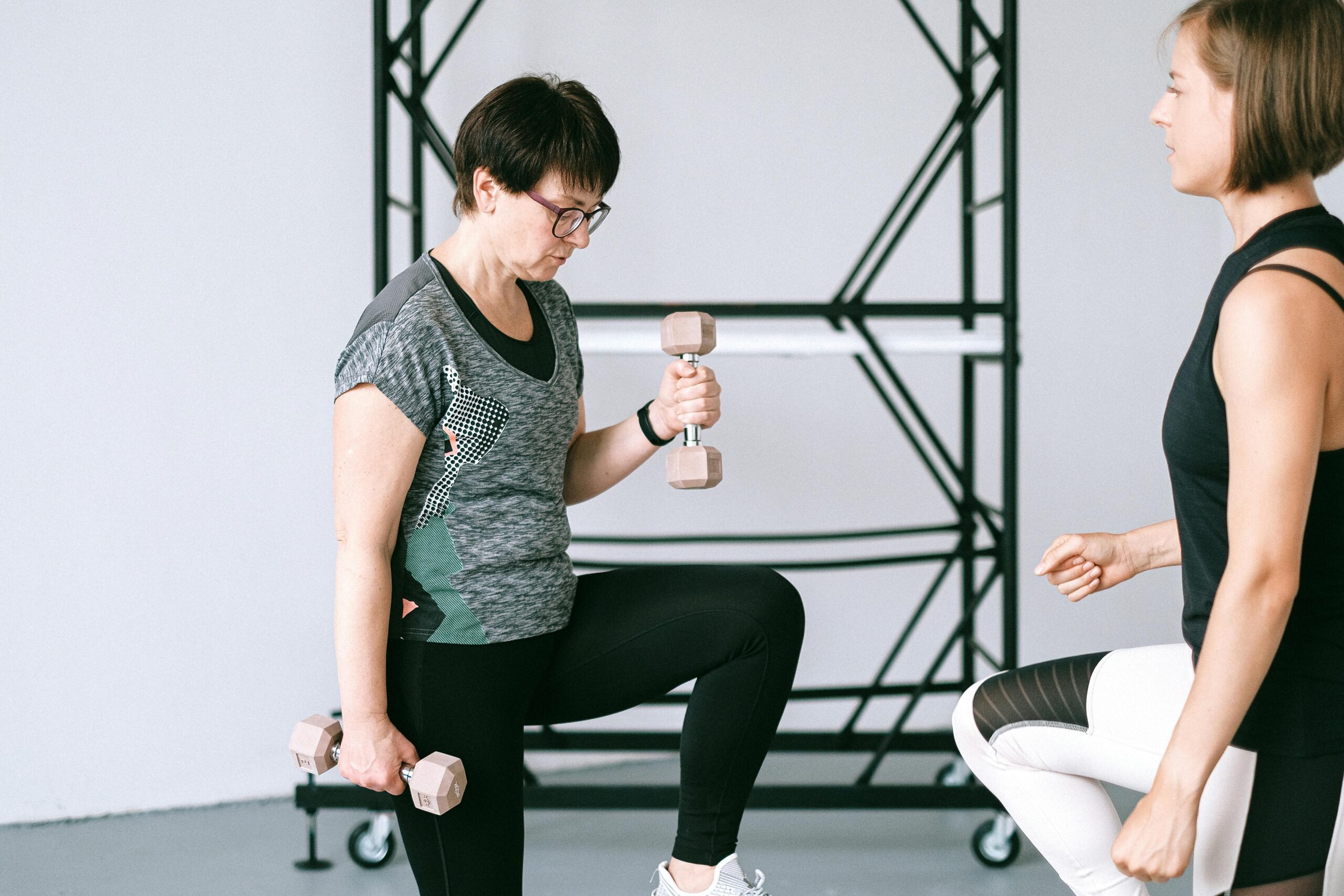
For optimal results, include compound movements like squats, deadlifts, presses, and rows. These exercises engage multiple muscle groups simultaneously, building functional strength that applies to real-world activities. Aim for at least two to three strength sessions weekly, allowing adequate recovery between workouts.
Cardiovascular Conditioning: Building Endurance and Mental Stamina
Cardiovascular exercise strengthens your heart, improves lung capacity, and enhances circulatory efficiency. Beyond these physical benefits, cardio training develops mental endurance—the ability to sustain effort despite fatigue or discomfort.
Varying your cardiovascular training yields the best resilience outcomes. Include both steady-state activities like jogging or cycling and high-intensity interval training (HIIT). HIIT particularly enhances resilience by repeatedly pushing you beyond comfort zones, then allowing recovery—a pattern that mirrors life’s challenges.
The psychological benefits of cardiovascular exercise are profound. The rhythmic nature of activities like running or swimming creates meditative states that reduce anxiety and improve emotional regulation. Many people report their best ideas and clearest thinking emerge during cardio sessions.
Flexibility and Mobility: The Overlooked Resilience Builders
Flexibility work often receives insufficient attention, yet it’s crucial for injury prevention, pain reduction, and overall movement quality. Tight, immobile bodies are more vulnerable to injury and chronic pain—conditions that significantly undermine resilience.
Regular stretching, yoga, or mobility training maintains joint health, reduces muscle tension, and improves posture. These practices also cultivate body awareness and mindfulness, connecting physical sensations with mental states. This integration helps you recognize stress signals early and respond appropriately before problems escalate.
Dedicate at least 10-15 minutes daily to flexibility work. Focus on areas prone to tightness like hips, shoulders, and hamstrings. Consider practices like yoga or tai chi, which combine physical stretching with breath work and meditation for comprehensive resilience benefits.
🍎 Nutrition: Fueling Resilience From Within
Physical training provides the stimulus for adaptation, but nutrition supplies the raw materials for recovery and growth. Your dietary choices profoundly influence energy levels, inflammation, brain function, and overall resilience capacity.
Prioritize whole, minimally processed foods rich in nutrients. Vegetables, fruits, lean proteins, whole grains, and healthy fats provide the vitamins, minerals, antioxidants, and macronutrients your body needs to thrive. These foods stabilize blood sugar, reduce inflammation, and support optimal hormone production.
Protein intake deserves special attention, particularly for those engaged in regular training. Adequate protein supports muscle repair, immune function, and neurotransmitter production. Aim for roughly 0.7-1 gram per pound of body weight daily, distributed across multiple meals for optimal absorption.
Hydration and Recovery Nutrition
Proper hydration dramatically impacts physical performance, cognitive function, and recovery speed. Even mild dehydration impairs concentration, increases perceived exertion, and slows recovery. Drink water consistently throughout the day, increasing intake around training sessions.
Post-workout nutrition timing influences recovery quality. Consuming protein and carbohydrates within two hours after training replenishes glycogen stores and initiates muscle repair. This practice reduces soreness, accelerates recovery, and prepares your body for subsequent challenges.
😴 Recovery and Sleep: Where Resilience Actually Builds
Many people underestimate recovery’s importance, viewing it as passive time away from training. In reality, recovery periods are when adaptation occurs—when your body rebuilds stronger and your nervous system integrates new capabilities.
Sleep represents the most critical recovery tool available. During deep sleep, your body releases growth hormone, repairs damaged tissues, consolidates memories, and processes emotions. Chronic sleep deprivation undermines every aspect of resilience, increasing injury risk, impairing cognition, and elevating stress hormones.
Prioritize 7-9 hours of quality sleep nightly. Establish consistent sleep schedules, create dark and cool sleeping environments, and limit screen exposure before bed. These practices optimize sleep architecture, ensuring you experience adequate deep and REM sleep phases.
Active Recovery and Stress Management
Between intense training sessions, incorporate active recovery activities like walking, swimming, or gentle cycling. These low-intensity movements promote blood flow, facilitate waste removal, and reduce muscle soreness without adding significant training stress.
Stress management practices like meditation, deep breathing, or journaling complement physical recovery. Chronic psychological stress activates the same physiological pathways as physical training, potentially leading to overtraining if unmanaged. Regular stress-reduction practices maintain balance and preserve adaptation capacity.
🧠 The Mind-Body Connection: Mental Training for Physical Resilience
While physical training builds the body, mental practices enhance how effectively you use your physical capabilities. Visualization, goal-setting, and mindfulness techniques amplify resilience by strengthening the psychological foundations supporting physical performance.
Visualization involves mentally rehearsing movements, challenges, or desired outcomes. This practice activates similar neural pathways as actual physical performance, improving skill acquisition and confidence. Athletes worldwide use visualization to enhance performance and build mental resilience under pressure.
Goal-setting provides direction and motivation while building resilience through progressive achievement. Set both outcome goals (desired end results) and process goals (behaviors supporting those outcomes). Celebrate small victories along the way, reinforcing positive patterns and building confidence.
Mindfulness and Present-Moment Awareness
Mindfulness training enhances body awareness, helping you recognize fatigue signals, pain indicators, and stress responses before they become problems. This awareness allows intelligent training adjustments that prevent injury and optimize progress.
Regular meditation practice strengthens attention control, emotional regulation, and stress tolerance—all crucial resilience components. Even brief daily meditation sessions produce measurable benefits. Apps like Headspace or Calm provide structured guidance for beginners.
🎯 Creating Your Personal Resilience Blueprint
Building unstoppable resilience requires personalization—what works optimally for others may not suit your unique circumstances, preferences, and goals. Creating a sustainable, effective approach means designing strategies that align with your lifestyle while challenging you to grow.
Start by honestly assessing your current physical condition, habits, and constraints. Identify areas needing improvement while acknowledging existing strengths. This balanced perspective prevents overwhelm while highlighting opportunities for meaningful progress.
Develop a realistic training schedule that fits your life rather than forcing your life around training. Consistency matters more than perfection. Three quality workouts weekly executed consistently outperform ambitious plans that collapse under unsustainable demands.
Progressive Implementation and Habit Stacking
Avoid attempting massive lifestyle overhauls simultaneously. Instead, implement changes gradually, allowing each new habit to solidify before adding another. This approach reduces resistance and builds momentum through accumulated small victories.
Use habit stacking—linking new behaviors to established routines—to increase adherence. For example, perform mobility work immediately after waking, or practice meditation right after your morning coffee. These associations create environmental cues that trigger desired behaviors automatically.
🌈 Overcoming Obstacles and Maintaining Momentum
Even well-designed plans encounter obstacles. Unexpected events, motivation fluctuations, and plateaus challenge everyone pursuing long-term health improvements. Building resilience means developing strategies to navigate these inevitable difficulties.
When motivation wanes, rely on systems rather than willpower. Create environmental supports that make healthy choices easier: prepare workout clothes in advance, schedule training sessions like important appointments, find accountability partners who share similar goals.
Plateaus—periods where progress stalls despite consistent effort—test resilience significantly. Rather than viewing plateaus as failures, recognize them as opportunities to refine your approach. Adjust training variables, experiment with new activities, or temporarily shift focus to different goals while maintaining base fitness.
Learning From Setbacks
Injuries, illnesses, or life disruptions will occasionally interrupt your training. These setbacks, while frustrating, offer valuable lessons about listening to your body, adapting strategies, and maintaining perspective. True resilience includes bouncing back stronger from difficulties rather than never experiencing them.
When setbacks occur, focus on what remains possible rather than what’s temporarily restricted. Modify training around limitations, emphasize recovery practices, and maintain positive habits within your current capacity. This adaptive approach preserves fitness while preventing further damage.
✨ Thriving Beyond Survival: Living Your Most Resilient Life
Ultimate resilience transcends merely surviving challenges—it means thriving regardless of circumstances. When you’ve built genuine physical and mental strength, you approach life with confidence, energy, and optimism that transforms experiences.
This transformation extends beyond personal benefits, positively influencing relationships, career performance, and community contributions. Healthy, resilient individuals bring better energy to interactions, handle professional pressures more effectively, and possess capacity to support others facing difficulties.
Your resilience journey never truly ends—it evolves as you grow, age, and encounter new challenges. Embrace this ongoing process rather than chasing some final destination. Each day offers opportunities to strengthen your foundation, expand your capabilities, and deepen your resilience.
The strength you’re building today creates ripple effects throughout your entire life. Physical vitality supports mental clarity, which enables better decisions, which generate improved outcomes, which reinforce healthy behaviors. This virtuous cycle compounds over time, creating exponential improvements in life quality.
Start where you are, use what you have, do what you can. Small, consistent actions accumulated over time produce remarkable transformations. Your unstoppable resilience awaits—not as some distant achievement, but as the natural result of daily choices aligned with your highest vision for yourself. The power to thrive has always existed within you; now you’re simply learning to unlock and express it fully.

Toni Santos is a visual storyteller and sartorial artisan whose work revives the forgotten threads of historical fashion. With a deep fascination for garments lost to time, Toni weaves together art, memory, and material culture to illuminate the styles, symbols, and silent codes once stitched into humanity’s past.
His creative journey is rooted in a passion for clothing as narrative — from ceremonial robes of vanished empires to the subtle embroidery of medieval outcasts, from whispered meanings in Victorian accessories to the ritual adornments of ancient rites. Each piece Toni brings to life is more than aesthetic; it’s an echo of identity, power, belief, and transformation across centuries.
With a background in visual design and handcrafted techniques, Toni blends historical research with creative interpretation. His work reimagines the overlooked: the feathered cloaks, perfumed gloves, symbolic fastenings, and forbidden textiles that once defined entire cultures — now reborn as visual artifacts that speak across time.
As the visionary behind Vizovex, Toni shares stories, artworks, and curated collections that reconnect audiences with the deeper meaning of what we wear — and what clothing reveals when it is finally seen not just as fashion, but as forgotten language.
His work is a tribute to:
The poetry of garments lost in history’s folds
The cultural codes woven into ancient textiles
The beauty of attire as identity, memory, and myth
Whether you’re a fashion historian, a designer seeking timeless inspiration, or simply drawn to the mystery of what people once wore and why, Toni invites you to explore a world where forgotten fashions are revived — one stitch, one silhouette, one story at a time.