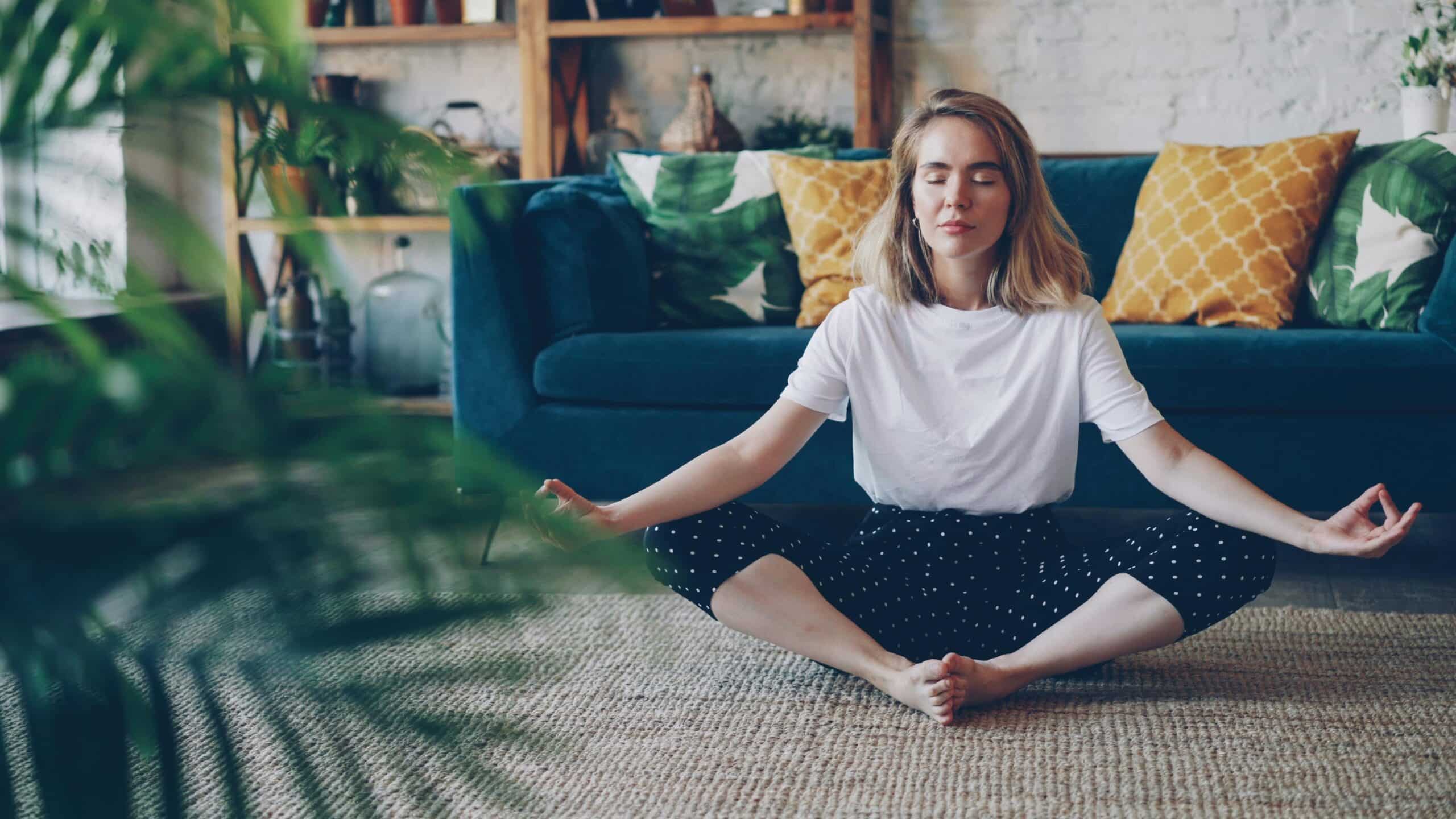
Meditation has become a cornerstone of modern wellness, offering a path to mental clarity and emotional balance in our increasingly chaotic world.
Whether you’re a complete beginner or someone who’s dabbled in mindfulness practices, you’ve likely encountered two primary approaches: guided meditation and unguided meditation. Both methods offer unique benefits and challenges, and understanding their differences can help you choose the practice that best supports your journey toward a calmer, more focused mind.
The landscape of meditation practice has evolved significantly over the past decade. What was once considered an esoteric practice reserved for monks and spiritual seekers has now entered mainstream consciousness. Today, millions of people worldwide incorporate meditation into their daily routines, seeking relief from stress, anxiety, and the constant mental chatter that characterizes modern life.
But with this surge in popularity comes a fundamental question: which approach is right for you? Let’s explore the nuances of guided versus unguided meditation to help you make an informed decision about your practice.
🧘 Understanding Guided Meditation: Your Personal Mental Guide
Guided meditation is exactly what it sounds like—a meditation practice where an instructor, teacher, or recorded voice leads you through the experience. This approach provides structure, direction, and often specific techniques to help you navigate your inner landscape.
During a guided session, you’ll typically hear a soothing voice offering instructions on breathing, body awareness, visualization, or other mindfulness techniques. The guide may ask you to focus on specific sensations, imagine peaceful scenes, or direct your attention to different parts of your body.
Think of guided meditation as having a personal trainer for your mind. Just as a fitness instructor helps you maintain proper form and pushes you through challenging moments, a meditation guide helps you stay focused and provides support when your mind begins to wander.
The Benefits of Having a Voice in Your Corner
Guided meditation offers several distinct advantages, particularly for those new to the practice. The continuous instruction helps prevent the common beginner’s frustration of “not knowing what to do” during meditation. When someone is telling you where to place your attention, the practice becomes immediately more accessible.
For individuals dealing with anxiety or racing thoughts, the external voice can serve as an anchor, something concrete to return to when the mind starts spiraling. The structured nature of guided sessions also makes it easier to explore different meditation styles—from body scans to loving-kindness practices—without needing to study each technique extensively beforehand.
Another significant benefit is consistency. Many people find it easier to maintain a regular practice when using guided meditations because the format creates a clear beginning and end. You know exactly how long you’ll be meditating, which makes it easier to commit to daily practice.
Popular Guided Meditation Resources
The digital age has made guided meditation more accessible than ever. Numerous apps and platforms offer thousands of guided sessions for every purpose imaginable—sleep, stress relief, focus, emotional healing, and more.
Headspace has become one of the most recognized names in meditation apps, offering a comprehensive library of guided sessions with a friendly, approachable teaching style that demystifies meditation for beginners.
Calm is another leading platform that combines guided meditations with sleep stories, music, and masterclasses from renowned meditation teachers, creating a comprehensive wellness ecosystem.
Insight Timer offers perhaps the largest free library of guided meditations, with contributions from teachers worldwide covering virtually every meditation style and tradition imaginable.
🌊 Exploring Unguided Meditation: The Silent Journey Inward
Unguided meditation, also called silent meditation, is the practice of meditating without external instruction or verbal cues. In this approach, you sit in silence, using techniques you’ve learned to manage your attention and awareness independently.
This might involve focusing on your breath, observing thoughts without attachment, practicing open awareness, or using a mantra. The key distinction is that once you begin, there’s no voice guiding you through the process—it’s just you and your mind.
Unguided meditation is often associated with traditional Buddhist practices like Vipassana or Zen meditation, where practitioners sit in silence for extended periods, sometimes hours or even days during intensive retreats.
The Power of Silence and Self-Reliance
While unguided meditation might seem more challenging at first, it offers profound benefits for those who embrace it. Perhaps most significantly, it develops self-reliance in your practice. You learn to navigate your mental landscape without external support, building confidence in your ability to find stillness and focus independently.
Many experienced meditators find that unguided practice allows for deeper states of meditation. Without a voice periodically pulling you back to the surface, you can potentially sink into more profound levels of concentration and awareness. The silence creates space for insights and experiences that might not arise in a more structured session.
Unguided meditation also offers complete flexibility. You can meditate for as long or as short as feels right in any given moment. There’s no predetermined structure to follow, allowing your practice to evolve organically based on your current needs and capacities.
Building the Foundation for Silent Practice
Successfully transitioning to unguided meditation typically requires some groundwork. Most practitioners benefit from starting with guided sessions to learn basic techniques before venturing into silent practice. Understanding how to work with the breath, what to do when thoughts arise, and how to maintain gentle awareness are skills best learned with instruction.
A simple timer can be your only tool for unguided meditation. Many meditation apps offer timer functions with optional bells or gongs to mark the beginning and end of your session, along with optional interval bells if you want periodic reminders during longer sits.
🔍 Key Differences That Matter for Your Practice
Understanding the practical differences between these approaches can help you determine which might serve you best at different stages of your journey.
Structure vs. Freedom
Guided meditation provides a predetermined structure. You know what technique you’ll be practicing, how long it will last, and what general territory the session will cover. This structure can be comforting and help build consistent habits.
Unguided meditation offers complete freedom. You can adjust your focus mid-session, sit longer if you’re experiencing something valuable, or end early if needed. This flexibility can feel liberating but also potentially overwhelming without sufficient experience.
External Focus vs. Internal Navigation
In guided practice, part of your attention remains on the external voice providing instruction. While this can help prevent mind-wandering, it also means you’re not developing the same level of internal navigation skills.
Unguided meditation requires you to be your own guide, strengthening your capacity for self-directed attention and awareness. This can be more challenging but ultimately builds greater meditation independence.
Variety vs. Consistency
Guided meditation apps offer enormous variety—different teachers, techniques, lengths, and purposes. You can practice body scans on Monday, loving-kindness on Tuesday, and breath focus on Wednesday, all with expert guidance.
Unguided practice typically involves more consistency in technique. You generally stick with one approach long enough to develop proficiency, which can lead to deeper mastery but less variety in your practice.
💡 Which Approach Is Right for You?
The truth is, this isn’t necessarily an either-or decision. Many successful meditators incorporate both approaches into their practice, using each when it best serves their current needs.
Consider Guided Meditation If You:
- Are new to meditation and want clear instruction on techniques
- Struggle with racing thoughts and need an anchor to return to
- Enjoy exploring different meditation styles and approaches
- Find it easier to maintain consistency with structured sessions
- Want to learn from experienced teachers without attending in-person classes
- Prefer knowing exactly how long your session will last
- Are working on specific issues like sleep, anxiety, or focus
Consider Unguided Meditation If You:
- Have established a basic meditation practice and understand core techniques
- Feel ready to deepen your practice without external support
- Find guided voices distracting after becoming more experienced
- Want complete flexibility in session length and focus
- Are interested in traditional meditation approaches
- Prefer complete silence during your practice
- Have the self-discipline to maintain practice without external structure
🌟 Creating a Balanced Practice: The Hybrid Approach
Rather than choosing one method exclusively, many practitioners find that combining both approaches creates the most robust meditation practice. This hybrid strategy allows you to leverage the strengths of each method while minimizing their limitations.
You might use guided meditations when learning new techniques, dealing with particularly challenging mental states, or when motivation is low. On days when you feel centered and focused, unguided sessions allow you to practice your skills independently and explore deeper states of awareness.
Some meditators use guided sessions for most of the week but dedicate one or two days to silent practice. Others do the opposite, maintaining a primarily silent practice but occasionally using guided sessions to explore new approaches or refresh their perspective.
Transitioning Between Methods
If you’re currently practicing primarily guided meditation but want to develop more independence, try this gradual transition approach. Start by using shorter guided sessions and sitting for a few additional minutes in silence afterward. Gradually extend the silent portion until you’re comfortable sitting for your desired duration without guidance.
You can also use guided meditations that have long silent periods built in, slowly acclimating to extended periods without instruction while still having some structure and support.
✨ Maximizing Benefits Regardless of Your Choice
Whichever approach you choose, certain principles will enhance your practice and help you develop a calmer, more focused mind.
Consistency matters more than duration. Five minutes of daily practice will generally yield better results than occasional longer sessions. Whether guided or unguided, commit to showing up regularly, even when it feels challenging.
Create a dedicated space for meditation if possible. This doesn’t need to be elaborate—a corner of a room with a cushion or chair works perfectly. Having a consistent physical environment signals to your mind that it’s time to practice.
Be patient with yourself. Meditation is a skill that develops over time. Your mind will wander whether you’re following a guided session or sitting in silence. This isn’t failure—noticing you’ve wandered and gently returning to your focus is actually the practice working.
Experiment openly. Your needs may change over time, and what works during one phase of life might not serve you as well during another. Stay curious and willing to adjust your approach as you grow and change.
🎯 Moving Forward with Confidence
The journey toward a calmer, more focused mind through meditation is deeply personal. Both guided and unguided approaches offer valuable pathways to greater awareness, reduced stress, and enhanced mental clarity. The “best” method is simply the one that you’ll actually practice consistently.
For most people starting out, guided meditation provides an accessible entry point with less intimidation and more immediate support. As your practice matures, you may naturally gravitate toward unguided sessions, or you might continue to appreciate the variety and structure that guided meditations provide.
Remember that even experienced meditators with decades of practice sometimes use guided sessions for specific purposes or to explore new techniques. There’s no hierarchy where unguided meditation is “better” than guided—they’re different tools serving different purposes at different times.
The meditation practice that transforms your life is the one you’ll maintain over weeks, months, and years. Choose the approach that resonates with you right now, knowing you can always adjust as you gain experience and your needs evolve.
Start where you are, use what’s available, and trust that simply showing up to practice—whether following a soothing voice or sitting in silence—is already creating positive changes in your brain, your stress levels, and your overall well-being. Your mind is capable of remarkable transformation when given the right conditions and consistent practice. Both guided and unguided meditation can provide those conditions—the choice is yours. 🧘♀️

Toni Santos is a visual storyteller and sartorial artisan whose work revives the forgotten threads of historical fashion. With a deep fascination for garments lost to time, Toni weaves together art, memory, and material culture to illuminate the styles, symbols, and silent codes once stitched into humanity’s past.
His creative journey is rooted in a passion for clothing as narrative — from ceremonial robes of vanished empires to the subtle embroidery of medieval outcasts, from whispered meanings in Victorian accessories to the ritual adornments of ancient rites. Each piece Toni brings to life is more than aesthetic; it’s an echo of identity, power, belief, and transformation across centuries.
With a background in visual design and handcrafted techniques, Toni blends historical research with creative interpretation. His work reimagines the overlooked: the feathered cloaks, perfumed gloves, symbolic fastenings, and forbidden textiles that once defined entire cultures — now reborn as visual artifacts that speak across time.
As the visionary behind Vizovex, Toni shares stories, artworks, and curated collections that reconnect audiences with the deeper meaning of what we wear — and what clothing reveals when it is finally seen not just as fashion, but as forgotten language.
His work is a tribute to:
The poetry of garments lost in history’s folds
The cultural codes woven into ancient textiles
The beauty of attire as identity, memory, and myth
Whether you’re a fashion historian, a designer seeking timeless inspiration, or simply drawn to the mystery of what people once wore and why, Toni invites you to explore a world where forgotten fashions are revived — one stitch, one silhouette, one story at a time.