In a world filled with constant noise and endless demands, learning to master your emotions through meditation can be your gateway to profound inner peace and lasting balance. 🧘♀️
Every day, we navigate through a complex landscape of feelings—stress from work deadlines, anxiety about uncertain futures, frustration with daily challenges, and the overwhelming weight of modern life. These emotional waves can leave us feeling disconnected, exhausted, and out of control. But what if there was a proven method to regain command over your emotional landscape while cultivating a sense of calm that permeates every aspect of your existence?
Meditation isn’t just about sitting cross-legged and humming mantras. It’s a scientifically-backed practice that rewires your brain, reshapes your emotional responses, and provides you with tools to navigate life’s turbulent waters with grace and composure. This comprehensive guide will explore how meditation serves as a powerful catalyst for emotional mastery and sustainable inner peace.
Understanding the Connection Between Meditation and Emotional Regulation
The relationship between meditation and emotional control is rooted in neuroscience. When you meditate regularly, you’re essentially training your brain to respond differently to emotional stimuli. The prefrontal cortex—the part of your brain responsible for rational thinking and decision-making—becomes strengthened, while the amygdala, your brain’s emotional alarm system, becomes less reactive.
Research conducted at Harvard University found that just eight weeks of consistent meditation practice can lead to measurable changes in brain regions associated with memory, sense of self, empathy, and stress regulation. These physical changes in your brain architecture translate directly into enhanced emotional intelligence and greater psychological resilience.
When you practice meditation, you create a space between stimulus and response. Instead of reacting automatically to challenging situations, you develop the capacity to observe your emotions without being consumed by them. This observer perspective is transformative—it allows you to acknowledge feelings like anger, fear, or sadness without letting them dictate your behavior.
The Science Behind Emotional Transformation Through Meditation
Understanding what happens in your brain during meditation helps demystify why this ancient practice delivers such powerful results. During meditation, your brain wave patterns shift from the beta state (associated with active thinking and stress) to alpha and theta states (connected with relaxation and deep introspection).
This shift triggers a cascade of beneficial physiological responses: cortisol levels decrease, serotonin production increases, and your nervous system transitions from sympathetic (fight-or-flight) to parasympathetic (rest-and-digest) dominance. These changes don’t just happen while you’re meditating—they create lasting alterations in how your brain processes emotional information throughout your entire day.
Neuroplasticity, your brain’s ability to reorganize itself by forming new neural connections, is the mechanism that makes meditation’s benefits permanent rather than temporary. Each meditation session strengthens neural pathways associated with emotional regulation, much like lifting weights strengthens muscles.
Practical Meditation Techniques for Emotional Mastery
Knowing the science is empowering, but implementing practical techniques is where transformation truly begins. Different meditation styles offer unique benefits for emotional regulation, and finding the approaches that resonate with you personally will maximize your results.
Mindfulness Meditation: The Foundation of Emotional Awareness 🌟
Mindfulness meditation involves paying attention to the present moment without judgment. This practice is particularly effective for emotional mastery because it teaches you to observe your feelings as temporary states rather than defining characteristics.
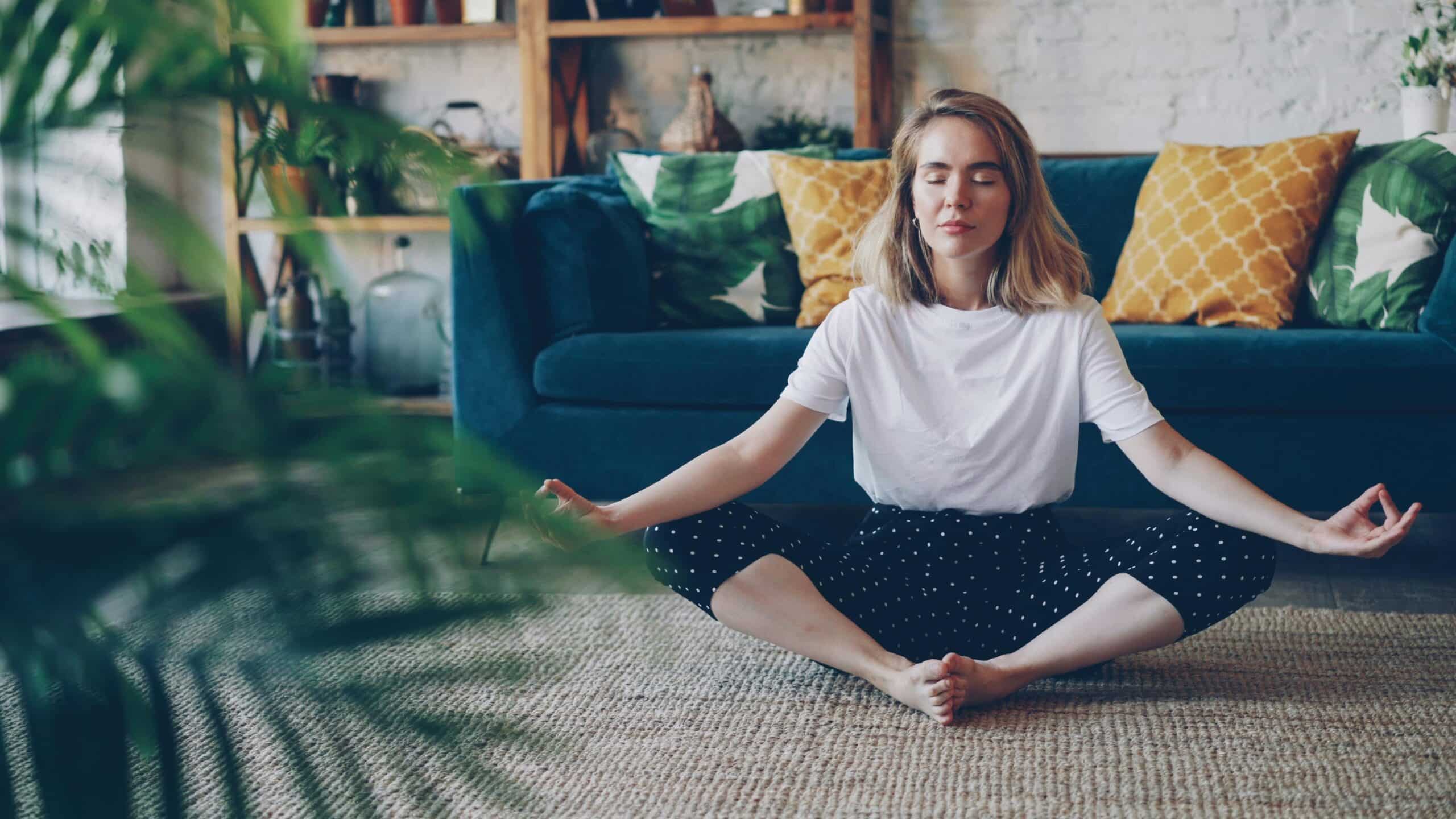
To practice mindfulness meditation, find a comfortable seated position and focus on your breath. When emotions arise—and they will—acknowledge them without trying to change or suppress them. Notice where you feel the emotion in your body. Is your chest tight? Is your stomach churning? Simply observe these sensations with curiosity rather than resistance.
This non-judgmental awareness creates distance between you and your emotions, preventing you from becoming completely identified with them. Over time, you’ll notice that intense emotions lose their overwhelming power when you simply witness them without reactivity.
Loving-Kindness Meditation: Cultivating Emotional Positivity
Also known as Metta meditation, this practice involves directing feelings of compassion and goodwill toward yourself and others. It’s especially beneficial for those struggling with negative self-talk, resentment, or difficulty in relationships.
Begin by focusing on yourself, silently repeating phrases like “May I be happy, may I be healthy, may I be at peace.” Then gradually extend these wishes to loved ones, acquaintances, difficult people in your life, and eventually all beings. This practice literally rewires your brain for positivity and connection.
Studies have shown that regular loving-kindness meditation increases positive emotions, reduces symptoms of depression, and enhances social connectedness—all crucial components of emotional balance and inner peace.
Body Scan Meditation: Releasing Stored Emotional Tension
Emotions don’t just exist in your mind—they manifest physically in your body. The body scan technique helps you identify and release emotional tension stored in your physical form.
Lie down comfortably and systematically bring your awareness to each part of your body, starting from your toes and moving upward. Notice areas of tightness, discomfort, or numbness without trying to change them. Often, you’ll discover that simply bringing conscious awareness to these areas allows the associated emotional tension to release naturally.
This practice is particularly valuable for those who experience stress-related physical symptoms like headaches, digestive issues, or chronic pain, as it addresses the mind-body connection directly.
Creating a Sustainable Meditation Practice for Lasting Balance
Understanding techniques is one thing; maintaining a consistent practice that delivers long-term results is another challenge entirely. The key to sustainable meditation practice lies in realistic goal-setting and integration into your existing lifestyle.
Starting Small and Building Momentum
One of the biggest mistakes beginners make is attempting to meditate for extended periods immediately. This approach often leads to frustration and abandonment of the practice. Instead, start with just five minutes daily. This small commitment is manageable regardless of how busy your schedule might be.
As five minutes becomes comfortable and habitual, gradually increase the duration. Many meditation teachers suggest the “1% improvement” approach—incrementally extending your practice as it becomes more natural. Within a few months, you may find yourself naturally meditating for 20-30 minutes without it feeling like a burden.
Consistency matters more than duration. A daily five-minute practice yields better results than sporadic hour-long sessions. Your brain benefits most from regular, repeated exposure to meditative states.
Designing Your Meditation Environment
While you can technically meditate anywhere, creating a dedicated space signals to your brain that it’s time to shift into a meditative state. This doesn’t require an elaborate setup—a quiet corner with a comfortable cushion or chair is sufficient.
Consider these elements when designing your meditation space:
- Minimal distractions and clutter to promote mental clarity
- Comfortable temperature and adequate ventilation for physical ease
- Soft lighting or natural light to create a calming atmosphere
- Optional elements like candles, incense, or plants that enhance your sense of tranquility
- A timer or meditation app to track your sessions without clock-watching
The ritual of entering your meditation space becomes a powerful cue that helps you transition from your busy day into contemplative practice more easily.
Overcoming Common Obstacles to Emotional Balance Through Meditation 💪
Every meditation journey encounters challenges. Recognizing these obstacles and having strategies to address them ensures that temporary difficulties don’t derail your progress toward emotional mastery and inner peace.
The Restless Mind: Working With Rather Than Against Your Thoughts
Perhaps the most common complaint from meditation beginners is “I can’t stop thinking.” This misunderstanding causes many people to abandon meditation prematurely. The goal isn’t to eliminate thoughts—that’s impossible. The goal is to change your relationship with your thoughts.
When thoughts arise during meditation (and they absolutely will), acknowledge them without judgment and gently return your attention to your chosen focus point, whether that’s your breath, a mantra, or body sensations. Each time you notice your mind has wandered and bring it back, you’re actually strengthening your attention muscle—this is the practice, not a failure.
Think of your thoughts like clouds passing through the sky of your awareness. You don’t need to grab onto them or push them away; simply let them drift past while you maintain your meditative focus.
Dealing With Uncomfortable Emotions During Practice
Meditation sometimes brings suppressed emotions to the surface. You might find yourself feeling unexpectedly sad, angry, or anxious during what you expected to be a peaceful session. This is actually a sign that the practice is working—you’re accessing and processing emotions that have been buried beneath your conscious awareness.
When difficult emotions emerge, practice self-compassion. Remind yourself that feeling these emotions is part of the healing process. If the emotions become overwhelming, you can always open your eyes, take a break, and return to the practice when you feel ready. For persistent emotional difficulties, consider working with a therapist alongside your meditation practice.
Integrating Meditation Insights Into Daily Life
The true test of meditation’s effectiveness isn’t how peaceful you feel on your cushion—it’s how you respond to real-life challenges. Bridging the gap between formal practice and daily application is essential for achieving lasting balance in mind and life.
Micro-Meditations: Bringing Mindfulness to Everyday Moments
You don’t need to wait for your formal meditation session to access the benefits of mindful awareness. Micro-meditations are brief moments of presence that you can incorporate throughout your day, strengthening your emotional regulation in real-time.
Try these micro-meditation practices:
- Three conscious breaths before responding to a challenging email
- Mindful eating by truly tasting and experiencing your food without distractions
- A one-minute body scan while waiting in line or at a red light
- Conscious listening during conversations, giving full attention without planning your response
- Gratitude pauses where you acknowledge three things you appreciate in the moment
These small practices compound over time, gradually transforming your default mode from reactive to responsive, from scattered to centered.
Creating Space for Response Rather Than Reaction
One of meditation’s greatest gifts is the expansion of the pause between stimulus and response. In this space lies your power to choose how you engage with challenging situations rather than being controlled by automatic emotional reactions.
When you feel yourself becoming emotionally triggered—whether by a critical comment, unexpected setback, or stressful situation—use the STOP technique: Stop what you’re doing, Take a breath, Observe your physical sensations and emotions, and Proceed mindfully with your chosen response.
This simple framework, practiced consistently, transforms your relationship with difficult emotions. You move from being a victim of your feelings to becoming a conscious participant in how you experience and express them.
Measuring Your Progress on the Path to Inner Peace 📊
Unlike many pursuits where progress is immediately visible, meditation’s benefits often accumulate subtly. Recognizing the signs of your growing emotional mastery helps maintain motivation and highlights the value of your practice.
Emotional Indicators of Meditation Success
Pay attention to these markers of progress:
- Reduced reactivity to situations that previously triggered strong emotional responses
- Increased capacity to experience difficult emotions without being overwhelmed by them
- Greater emotional resilience—you bounce back from setbacks more quickly
- Enhanced emotional awareness—you recognize and name your feelings more accurately
- Improved relationships due to better communication and empathy
- More frequent experiences of contentment and peace in ordinary moments
- Decreased rumination and worry about past or future events
Consider keeping a simple journal where you note these changes. Reviewing your entries after several weeks or months provides tangible evidence of your transformation that might otherwise go unnoticed in the gradual day-to-day shifts.
The Lifelong Journey of Emotional Mastery and Balance ✨
Meditation isn’t a quick fix or a destination you reach and then abandon. It’s a lifelong practice that continues to deepen and reveal new dimensions of emotional wisdom and inner peace as you progress.
The beauty of this journey is that there’s no endpoint where you’ve “mastered” everything. Instead, each stage of life presents new opportunities to apply and expand your meditation skills. The stress of early career challenges differs from the concerns of parenthood, which differs from the reflections of later years—yet your meditation practice adapts and supports you through all these transitions.
Some days your practice will feel effortless and deeply rewarding. Other days it will feel like a struggle to sit for even a few minutes. Both experiences are valuable and normal. The practice isn’t about achieving perfect peace in every session; it’s about showing up consistently and cultivating the qualities of patience, compassion, and awareness that transform your emotional landscape over time.
As you continue your meditation journey, you’ll likely discover that the inner peace you’re seeking isn’t something you need to create or achieve—it’s already present beneath the surface turbulence of your thoughts and emotions. Meditation simply teaches you to access this inherent peace more reliably and live from this grounded center more consistently.
Your commitment to mastering your emotions through meditation is an investment in yourself that pays dividends in every area of your life. The balance you cultivate on the cushion ripples outward, affecting your relationships, work performance, physical health, and overall life satisfaction. By dedicating just a few minutes daily to this practice, you’re choosing a path of conscious growth and sustainable well-being that will serve you for decades to come.
Start today. Start small. Start exactly where you are. Your journey toward emotional mastery, inner peace, and balanced living begins with a single conscious breath. The transformation awaiting you is profound, and the only requirement is your willingness to begin. 🌈

Toni Santos is a visual storyteller and sartorial artisan whose work revives the forgotten threads of historical fashion. With a deep fascination for garments lost to time, Toni weaves together art, memory, and material culture to illuminate the styles, symbols, and silent codes once stitched into humanity’s past.
His creative journey is rooted in a passion for clothing as narrative — from ceremonial robes of vanished empires to the subtle embroidery of medieval outcasts, from whispered meanings in Victorian accessories to the ritual adornments of ancient rites. Each piece Toni brings to life is more than aesthetic; it’s an echo of identity, power, belief, and transformation across centuries.
With a background in visual design and handcrafted techniques, Toni blends historical research with creative interpretation. His work reimagines the overlooked: the feathered cloaks, perfumed gloves, symbolic fastenings, and forbidden textiles that once defined entire cultures — now reborn as visual artifacts that speak across time.
As the visionary behind Vizovex, Toni shares stories, artworks, and curated collections that reconnect audiences with the deeper meaning of what we wear — and what clothing reveals when it is finally seen not just as fashion, but as forgotten language.
His work is a tribute to:
The poetry of garments lost in history’s folds
The cultural codes woven into ancient textiles
The beauty of attire as identity, memory, and myth
Whether you’re a fashion historian, a designer seeking timeless inspiration, or simply drawn to the mystery of what people once wore and why, Toni invites you to explore a world where forgotten fashions are revived — one stitch, one silhouette, one story at a time.