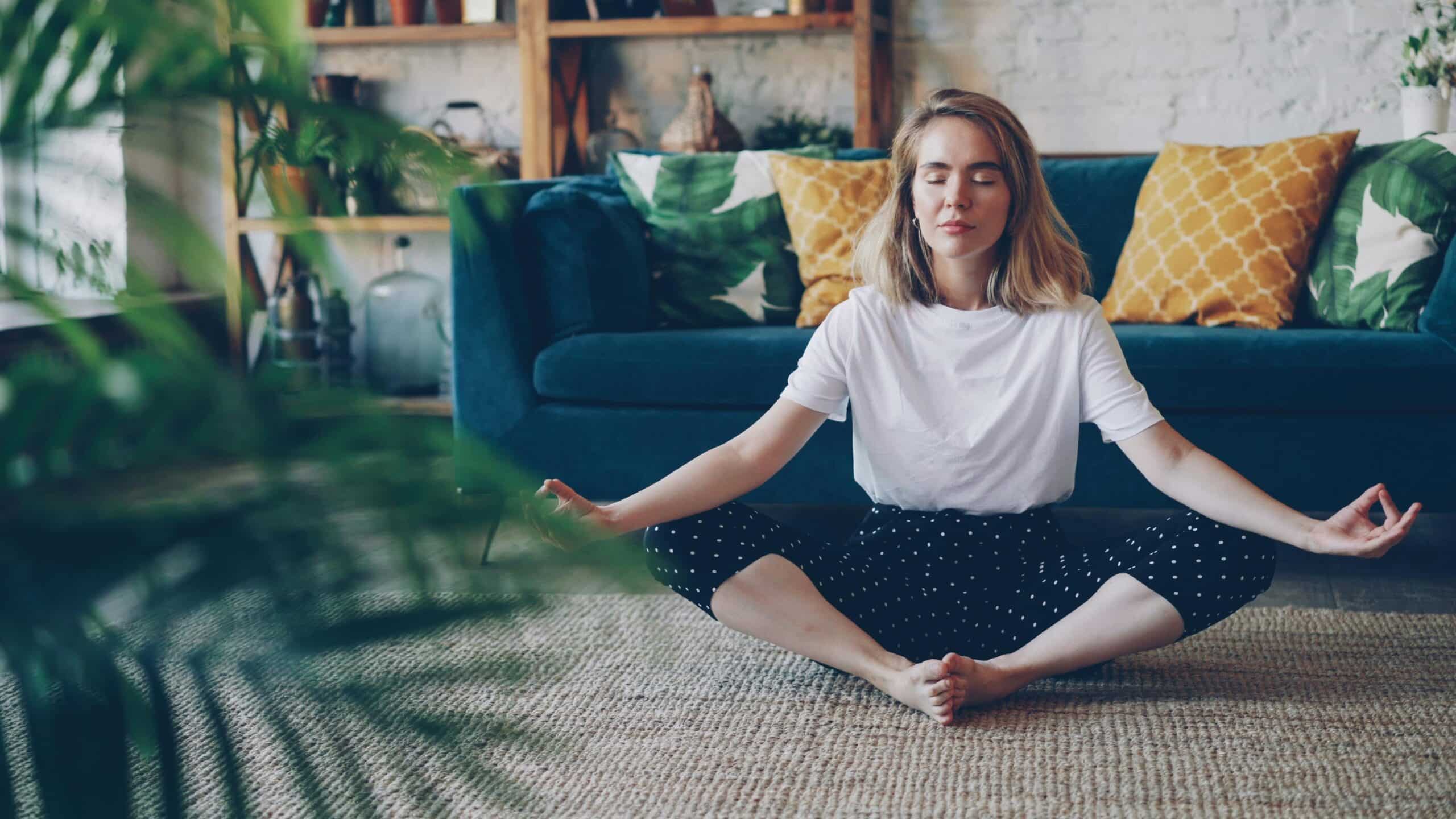
In our fast-paced world, finding moments of peace can feel impossible. Yet mastering daily calm through consistent meditation isn’t just a luxury—it’s essential for unlocking your true potential.
The modern lifestyle bombards us with notifications, deadlines, and endless streams of information that leave our minds fragmented and exhausted. We jump from task to task, rarely pausing to simply breathe and be present. This constant state of mental overdrive doesn’t just affect our mood; it impacts our creativity, decision-making abilities, relationships, and overall quality of life.
Meditation has emerged from ancient spiritual traditions to become a scientifically validated practice that transforms how we experience daily life. What was once considered esoteric knowledge is now recognized by neuroscientists, psychologists, and medical professionals as one of the most powerful tools for mental wellness and personal development.
🧘 Why Daily Meditation Changes Everything
Consistency is the secret ingredient that separates casual meditators from those who experience profound transformation. When you meditate daily, you’re not just practicing relaxation—you’re literally rewiring your brain’s neural pathways. This neuroplasticity allows you to develop stronger attention muscles, enhanced emotional regulation, and a deeper sense of inner peace that persists throughout your day.
Research from Harvard Medical School has demonstrated that just eight weeks of consistent meditation practice can increase the gray matter density in brain regions associated with memory, empathy, and stress regulation. Meanwhile, the amygdala—the brain’s stress response center—actually shrinks, making you less reactive to life’s inevitable challenges.
The benefits extend far beyond the cushion. Regular practitioners report improved sleep quality, reduced anxiety levels, enhanced focus at work, better interpersonal relationships, and a greater sense of purpose. These aren’t minor improvements; they’re fundamental shifts in how you navigate existence.
Understanding the Meditation Mindset Shift 🌅
Before diving into techniques, it’s crucial to reframe how you think about meditation. Many beginners approach the practice with unrealistic expectations, hoping to achieve instant enlightenment or expecting their minds to become completely silent within days. This mindset sets you up for disappointment.
Meditation isn’t about stopping thoughts—that’s impossible and not the goal. Instead, it’s about changing your relationship with thoughts. Imagine sitting by a river, watching leaves float past. Your thoughts are those leaves. You observe them without grabbing onto them or jumping in the water. This witnessing consciousness is what you’re cultivating.
The practice also requires releasing the achievement mentality that dominates other areas of life. There’s nowhere to get to, nothing to accomplish. Each session is complete in itself, regardless of whether your mind felt calm or chaotic. This non-striving quality is paradoxically what allows the deepest transformations to occur.
Common Misconceptions That Hold You Back
Many people abandon meditation before experiencing its benefits because they believe certain myths. Let’s address the most common ones that might be sabotaging your practice:
- Myth: You need to sit in lotus position for hours. Reality: Start with just five minutes in any comfortable seated position.
- Myth: A busy mind means you’re bad at meditation. Reality: Noticing your busy mind means you’re actually meditating successfully.
- Myth: You need complete silence and perfect conditions. Reality: Learning to meditate amid normal life sounds builds resilience.
- Myth: Meditation is a religious practice. Reality: While it has spiritual roots, secular mindfulness meditation is purely psychological.
- Myth: Results should be immediate. Reality: Like exercise, benefits accumulate over weeks and months of consistent practice.
Building Your Daily Meditation Ritual ⏰
The key to consistency lies in making meditation a non-negotiable part of your daily routine, like brushing your teeth. This requires strategic planning and environmental design that supports your practice.
First, identify your optimal meditation time. Morning practice sets a calm foundation for the day ahead, helping you respond rather than react to challenges. Evening meditation helps you decompress and transition into restful sleep. Some practitioners benefit from splitting their practice—morning and evening sessions of ten minutes each.
Create a dedicated meditation space, even if it’s just a specific chair or cushion in a corner. This physical anchor sends a signal to your brain that it’s time to shift into meditation mode. Keep this space simple and uncluttered, perhaps with a candle, cushion, or meaningful object that helps you center.
The Power of Micro-Commitments
Starting with massive goals often backfires. Instead of committing to hour-long sessions, begin with just five minutes daily. This “too easy to fail” approach removes resistance and builds momentum. After two weeks, you can gradually extend your sessions by a minute or two.
Stack your meditation habit onto an existing routine. For example: “After I pour my morning coffee, I’ll meditate for five minutes before drinking it.” This habit stacking technique, popularized by behavioral psychology, dramatically increases adherence rates.
Effective Meditation Techniques for Beginners 🎯
While there are hundreds of meditation styles, these foundational techniques provide an excellent starting point for developing daily calm.
Breath Awareness Meditation
This fundamental practice forms the basis of most meditation traditions. Sit comfortably with your spine naturally upright. Close your eyes or maintain a soft downward gaze. Bring your attention to the physical sensation of breathing—the coolness of air entering your nostrils, the rise and fall of your chest or belly, the slight pause between breaths.
When your mind wanders (and it will, constantly at first), simply notice where it went and gently guide your attention back to the breath. There’s no need for judgment or frustration. This returning is the actual practice—each time you notice you’ve drifted and come back, you’re strengthening your attention muscle.
Body Scan for Deep Relaxation
This technique systematically releases tension while developing body awareness. Starting at the crown of your head, slowly move your attention downward through each body part—face, jaw, neck, shoulders, arms, hands, chest, back, stomach, hips, legs, and feet. Notice any sensations, tension, or temperature without trying to change anything.
The body scan is particularly effective for evening practice as it activates the parasympathetic nervous system, promoting rest and digest mode. Many practitioners fall asleep during body scans—if this happens, celebrate that your body clearly needed rest.
Loving-Kindness Meditation
Also called Metta meditation, this practice cultivates compassion for yourself and others. Begin by directing warm wishes toward yourself: “May I be happy. May I be healthy. May I be safe. May I live with ease.” Then expand these wishes to loved ones, neutral acquaintances, difficult people, and eventually all beings.
Research shows that loving-kindness meditation increases positive emotions, enhances social connections, reduces self-criticism, and can even reduce chronic pain. It’s an excellent practice when you’re feeling isolated, judgmental, or disconnected.
Overcoming the Most Common Obstacles 💪
Even with the best intentions, you’ll encounter resistance. Understanding these challenges in advance helps you navigate them skillfully rather than abandoning your practice.
The Restless Mind Challenge
New meditators often feel discouraged by their mind’s constant chatter. Here’s the liberating truth: a busy mind is normal and doesn’t mean you’re failing. The goal isn’t to eliminate thoughts but to change your relationship with them. Each time you notice you’re thinking and return to your anchor (breath, body, etc.), you’re succeeding.
If restlessness becomes overwhelming, try counting breaths up to ten, then starting over. This gives your thinking mind a simple task while you develop concentration. Alternatively, try walking meditation, where you focus on the sensations of each step rather than sitting still.
Finding Time in Busy Schedules
The “I don’t have time” objection is the most common barrier. Yet we typically spend 2-3 hours daily on social media and entertainment. Meditation isn’t about finding time—it’s about making time for what matters. Even on the busiest days, five minutes is achievable if it’s truly a priority.
Consider meditation an investment that pays dividends in increased productivity, better decision-making, and enhanced focus. Those ten minutes of meditation might save you hours of scattered, inefficient work later in the day.
Physical Discomfort During Practice
Sitting meditation can bring up knee pain, back tension, or numbness in the legs. These physical challenges don’t mean meditation isn’t for you—they mean you need to adjust your position. Use cushions, sit in a chair with feet flat on the floor, or even lie down (though this increases drowsiness risk).
The key is finding a position that’s both relaxed and alert. Your spine should be naturally upright without rigid tension. Think of your posture as dignified and comfortable rather than militaristically straight.
Measuring Progress Without Obsession 📊
While meditation asks us to let go of goals during practice, it’s natural to wonder if you’re making progress. Here are healthy ways to track development without becoming obsessive:
| Timeframe | Typical Progress Markers | What to Notice |
|---|---|---|
| Week 1-2 | Establishing routine | You’re showing up consistently, even if sessions feel chaotic |
| Week 3-4 | Increased awareness | You notice mind-wandering more quickly and return to focus faster |
| Week 5-8 | Moments of calm | Brief periods of stillness appear between thoughts; breathing deepens naturally |
| Month 3+ | Life integration | You respond more calmly to stress; notice space before reacting |
| Month 6+ | Deep transformation | Friends comment on your presence; you feel fundamentally more grounded |
Remember that meditation isn’t linear. You’ll have sessions that feel transcendent followed by weeks that feel like you’ve regressed. This is completely normal. The practice works beneath the surface, even when you can’t perceive it.
Integrating Mindfulness Throughout Your Day 🌟
Your formal meditation practice becomes exponentially more powerful when you bring mindful awareness into daily activities. This integration is where true transformation happens—not just during your session, but in how you experience every moment.
Start with anchor activities—routine tasks you perform daily. Washing dishes becomes an opportunity to notice water temperature, soap texture, and hand movements rather than mentally rehearsing tomorrow’s meeting. Drinking your morning coffee transforms from an unconscious caffeine delivery system to a sensory experience where you notice aroma, warmth, taste, and how the cup feels in your hands.
These micro-practices accumulate throughout the day, creating islands of presence in the sea of automatic behavior. Over time, these islands connect, and you find yourself living more consciously rather than sleepwalking through life on autopilot.
Mindful Transitions Between Activities
Modern life encourages us to move frantically between tasks without pause. Instead, use transitions as reset points. Before opening your laptop, take three conscious breaths. Before starting your car, sit for ten seconds feeling your body in the seat. These brief pauses prevent the day’s stress from compounding and help you approach each activity with fresh attention.
Deepening Your Practice Over Time 🌱
As your meditation practice matures, you might feel called to explore deeper dimensions. This is where the journey becomes increasingly rewarding and personal.
Consider attending a meditation retreat, even just a one-day local event. Extended practice periods reveal layers of mind that shorter sessions can’t access. You’ll also benefit from being surrounded by fellow practitioners and receiving guidance from experienced teachers.
Experiment with different meditation styles to find what resonates most deeply. Vipassana insight meditation, Zen meditation, transcendental meditation, and yoga nidra each offer unique approaches. What works beautifully for one person might not suit another—there’s no single “best” technique.
Many long-term practitioners benefit from finding a teacher or joining a meditation community. While apps and books provide excellent foundations, personalized guidance and sangha (community) support can help you navigate obstacles and deepen your understanding.
Creating Lasting Change Through Consistent Practice 🔄
The ultimate goal of meditation isn’t to have peaceful sessions—it’s to transform how you live. This transformation happens through the compound effect of showing up day after day, even when you don’t feel like it, even when sessions seem pointless, even when life gets chaotic.
Track your practice in a simple journal or app, noting when you meditated and perhaps one word describing the session. This accountability tool helps you maintain consistency and reveals patterns over time. You’ll notice how certain life circumstances affect your practice and how your practice affects those circumstances.
Be compassionate with yourself when you miss days. One skipped session doesn’t erase all previous progress. Simply begin again the next day without guilt or self-criticism. This gentle persistence is more valuable than harsh discipline that leads to burnout.
The Ripple Effect: How Your Calm Impacts Others 💫
Perhaps the most beautiful aspect of consistent meditation practice is how it benefits everyone around you. As you become less reactive, more present, and genuinely calmer, the people in your life feel it. Your children learn emotional regulation by watching you. Your colleagues experience your steadiness during workplace stress. Your partner receives your full attention rather than your distracted presence.
You’re not just unlocking your own potential—you’re contributing to a more conscious, compassionate world. Each moment of awareness you cultivate creates ripples that extend far beyond your meditation cushion.
The art of daily calm isn’t achieved through perfection but through patient, persistent practice. It’s about returning again and again to this moment, this breath, this opportunity to be fully alive. Your potential isn’t something distant to achieve—it’s here right now, waiting to be unlocked through the simple yet profound act of sitting quietly with yourself.
Start today. Five minutes is enough. Your future self will thank you for this gift of presence, and the world needs the calmer, more conscious version of you that consistent meditation reveals. The journey of a thousand miles begins with a single breath. Take that breath now.

Toni Santos is a visual storyteller and sartorial artisan whose work revives the forgotten threads of historical fashion. With a deep fascination for garments lost to time, Toni weaves together art, memory, and material culture to illuminate the styles, symbols, and silent codes once stitched into humanity’s past.
His creative journey is rooted in a passion for clothing as narrative — from ceremonial robes of vanished empires to the subtle embroidery of medieval outcasts, from whispered meanings in Victorian accessories to the ritual adornments of ancient rites. Each piece Toni brings to life is more than aesthetic; it’s an echo of identity, power, belief, and transformation across centuries.
With a background in visual design and handcrafted techniques, Toni blends historical research with creative interpretation. His work reimagines the overlooked: the feathered cloaks, perfumed gloves, symbolic fastenings, and forbidden textiles that once defined entire cultures — now reborn as visual artifacts that speak across time.
As the visionary behind Vizovex, Toni shares stories, artworks, and curated collections that reconnect audiences with the deeper meaning of what we wear — and what clothing reveals when it is finally seen not just as fashion, but as forgotten language.
His work is a tribute to:
The poetry of garments lost in history’s folds
The cultural codes woven into ancient textiles
The beauty of attire as identity, memory, and myth
Whether you’re a fashion historian, a designer seeking timeless inspiration, or simply drawn to the mystery of what people once wore and why, Toni invites you to explore a world where forgotten fashions are revived — one stitch, one silhouette, one story at a time.