
In today’s fast-paced world, stress has become an unwelcome companion for millions. Mindfulness-Based Stress Reduction (MBSR) offers a scientifically proven pathway to reclaim your inner peace and mental clarity.
Developed by Dr. Jon Kabat-Zinn in 1979 at the University of Massachusetts Medical School, MBSR has transformed from a clinical intervention into a global movement. This evidence-based program combines mindfulness meditation, body awareness, and yoga to help individuals manage stress, anxiety, chronic pain, and various mental health challenges. What makes MBSR particularly compelling is its accessibility—you don’t need religious beliefs, special equipment, or extraordinary abilities to benefit from its practice.
The modern lifestyle bombards us with constant notifications, deadlines, and responsibilities that trigger our stress response systems repeatedly throughout the day. Our bodies weren’t designed for this relentless activation of the fight-or-flight response. MBSR addresses this fundamental mismatch between our evolutionary design and contemporary living by teaching us to respond rather than react to life’s challenges.
🧘 Understanding the Foundation of Mindfulness-Based Stress Reduction
At its core, MBSR is an eight-week structured program that cultivates mindfulness—the practice of paying attention to the present moment without judgment. This simple yet profound shift in awareness can dramatically alter how we experience stress and navigate daily life. The program typically involves weekly group sessions lasting 2.5 to 3 hours, along with a full-day retreat and daily home practice of 45 minutes.
The curriculum systematically introduces participants to various mindfulness practices, including body scan meditation, sitting meditation, mindful movement, and loving-kindness meditation. Each technique serves a specific purpose in developing greater awareness of thoughts, emotions, bodily sensations, and behavioral patterns that contribute to stress.
What distinguishes MBSR from simple relaxation techniques is its emphasis on facing discomfort with curiosity rather than avoidance. Instead of trying to eliminate stress or negative emotions, MBSR teaches participants to change their relationship with these experiences. This fundamental shift creates resilience and emotional flexibility that extends far beyond the eight-week program.
The Science Behind Mindfulness and Stress Reduction
Neuroscience research has revealed remarkable findings about how MBSR changes the brain. Regular mindfulness practice increases gray matter density in brain regions associated with learning, memory, emotional regulation, and perspective-taking. Studies using functional MRI scans show decreased activity in the amygdala—the brain’s alarm system—among MBSR practitioners, even when they’re not actively meditating.
The physiological benefits extend throughout the body. MBSR has been shown to lower cortisol levels, reduce inflammation markers, improve immune function, and decrease blood pressure. These aren’t merely subjective improvements; they’re measurable biological changes that contribute to better overall health and longevity.
🌟 Core Practices That Transform Your Relationship with Stress
The MBSR program incorporates several foundational practices, each designed to cultivate different aspects of mindful awareness. Understanding these components helps demystify the process and highlights how accessible this transformative practice truly is.
Body Scan Meditation: Reconnecting with Physical Awareness
The body scan is typically the first formal practice introduced in MBSR. Participants lie down and systematically bring attention to different parts of the body, from the toes to the crown of the head. This practice develops the ability to notice physical sensations without immediately reacting to them—a skill that proves invaluable when dealing with stress-induced tension or chronic pain.
Many people discover they’ve been carrying tension in their shoulders, jaw, or stomach for years without conscious awareness. The body scan illuminates these patterns and creates opportunities for release. Over time, practitioners develop an early warning system for stress, noticing tension before it escalates into headaches, backaches, or illness.
Sitting Meditation: Cultivating Mental Clarity
Sitting meditation forms the heart of MBSR practice. Participants learn to anchor attention in the breath, sounds, bodily sensations, or thoughts themselves. When the mind wanders—which it inevitably does—practitioners gently redirect attention without self-criticism. This simple exercise strengthens concentration while revealing the habitual patterns of the mind.
The insights gained through sitting meditation are profound. You begin to notice how thoughts arise and pass away like clouds in the sky. Emotions that once seemed permanent reveal themselves as temporary visitors. This perspective creates psychological space between stimulus and response, allowing for more skillful choices in challenging situations.
Mindful Movement: Bringing Awareness to Action
MBSR incorporates gentle yoga and walking meditation to cultivate mindfulness during movement. These practices bridge the gap between formal meditation and everyday activities, demonstrating that mindfulness isn’t confined to sitting still with eyes closed. Mindful movement also helps release physical tension while building strength and flexibility.
For individuals who find sitting meditation challenging initially, mindful movement often provides an accessible entry point. The concrete focus on physical sensations during stretching or walking can be easier to sustain than following the breath, especially for those with restless minds or bodies.
💡 Practical Applications for Daily Life and Stress Management
The true test of any stress reduction program lies in its applicability to real-world situations. MBSR excels precisely because it trains skills that transfer seamlessly into daily life, transforming how you handle everything from traffic jams to difficult conversations.
Mindful Communication: Transforming Relationships
One of the most impactful applications of MBSR involves interpersonal relationships. By practicing mindful listening—giving full attention to another person without planning your response—you create genuine connection and understanding. This simple shift can defuse conflicts, deepen intimacy, and reduce the stress that comes from misunderstandings and reactive behavior.
Mindful speaking involves pausing before responding, checking in with your intentions, and choosing words that reflect your values rather than your immediate emotional state. This practice doesn’t mean suppressing emotions; rather, it means expressing them skillfully in ways that foster resolution rather than escalation.
Stress Reactivity Versus Stress Responsivity
MBSR teaches the crucial distinction between reacting and responding. Reactivity is automatic, unconscious, and often driven by conditioning from past experiences. Responsivity involves awareness, choice, and alignment with your values and long-term well-being. The space created by mindfulness allows you to shift from reactivity to responsivity.
Consider a common scenario: receiving critical feedback at work. A reactive pattern might involve immediate defensiveness, rumination, or counterattack. A responsive approach involves noticing the emotional activation, taking a breath, considering whether the feedback contains useful information, and choosing a constructive response. This shift alone can dramatically reduce workplace stress and improve professional relationships.
📱 Technology and Mindfulness: Finding Balance in the Digital Age
While technology often contributes to stress and distraction, it can also support mindfulness practice when used intentionally. Numerous apps now offer guided MBSR meditations, timers, and progress tracking to support your practice journey.
However, it’s essential to approach these tools with the same mindfulness you’re cultivating in other areas. Set specific times for using meditation apps rather than allowing notifications to create new sources of stress. Consider technology as training wheels that support your practice until you can maintain it independently.
🎯 Overcoming Common Obstacles on the Mindfulness Path
Nearly everyone encounters challenges when beginning an MBSR practice. Understanding these common obstacles and how to work with them skillfully increases your likelihood of success and prevents premature abandonment of the practice.
The “I Don’t Have Time” Barrier
Time scarcity ranks as the most frequently cited reason for not practicing mindfulness. The irony is that mindfulness actually creates more time by reducing mental clutter, improving focus, and eliminating the hours lost to worry and rumination. Starting with just five to ten minutes daily can yield noticeable benefits and often naturally expands as you experience the positive effects.
Consider reframing the time investment: you’re not adding another task to your to-do list; you’re cultivating a skill that makes everything else more efficient and enjoyable. Many practitioners report that the time invested in meditation is returned many times over through increased productivity and reduced time spent in stress-induced procrastination.
Working with Restlessness and Distraction
Many beginners expect meditation to immediately produce calm and focus. When the mind continues its usual chattering, they assume they’re “doing it wrong.” In reality, noticing that your mind has wandered is mindfulness—that’s exactly what you’re practicing. The quality of your meditation isn’t determined by how calm you feel, but by how honestly you’re paying attention to your present-moment experience.
Restlessness and distraction are not problems to be solved but phenomena to be observed with curiosity. What does restlessness feel like in your body? Where do your thoughts habitually wander? These insights are valuable data about your mental patterns and stress triggers.
🌈 Beyond Stress Reduction: The Broader Benefits of MBSR
While stress reduction is the primary focus of MBSR, participants often discover unexpected benefits that extend into multiple life domains. These additional gains emerge naturally as mindfulness becomes integrated into daily living.
Enhanced Emotional Intelligence and Regulation
Regular mindfulness practice strengthens your ability to recognize emotions as they arise, understand their triggers, and respond skillfully rather than being swept away by them. This emotional intelligence improves decision-making, relationships, and overall life satisfaction. You become less reactive to emotional provocations and more capable of maintaining equilibrium during challenging circumstances.
Improved Physical Health and Pain Management
Research demonstrates MBSR’s effectiveness for managing chronic pain, reducing symptoms of irritable bowel syndrome, improving sleep quality, and supporting immune function. By changing your relationship with physical discomfort—approaching it with curiosity rather than resistance—you often experience reduced suffering even when the physical sensations themselves persist.
Greater Life Satisfaction and Purpose
As mindfulness deepens, many practitioners report a clearer sense of values and purpose. The mental clarity that emerges from regular practice helps you distinguish between what truly matters and what merely seems urgent. This discernment allows for more intentional choices about how to spend your time and energy, leading to greater alignment between your daily activities and your core values.
🚀 Beginning Your MBSR Journey: Practical Next Steps
Starting an MBSR practice doesn’t require dramatic life changes or perfect conditions. Begin exactly where you are with whatever resources you have available. The most important step is simply beginning.
Finding a Structured Program
While self-guided practice is valuable, participating in a formal eight-week MBSR program offers structure, accountability, and community support that significantly enhance success rates. Many hospitals, universities, community centers, and meditation centers offer MBSR courses. Online programs have expanded access for those without local options or with scheduling constraints.
Creating a Sustainable Home Practice
Consistency matters more than duration when establishing a meditation practice. Choose a specific time and place for daily practice, even if only for ten minutes initially. Morning practice often works well because it sets a mindful tone for the day and occurs before competing demands arise.
Create a simple meditation space in your home—nothing elaborate, just a corner where you can sit comfortably without distractions. This dedicated space serves as a visual reminder of your commitment and creates a psychological association with practice.
Integrating Mindfulness into Everyday Activities
Beyond formal meditation, countless opportunities exist for informal mindfulness practice throughout your day. Washing dishes, brushing your teeth, walking to your car, or eating a meal can all become mindfulness practices by bringing full attention to the sensory experience. These micro-practices accumulate, gradually transforming your default mode from autopilot to awareness.
🌿 Nurturing Long-Term Practice and Preventing Relapse
The initial enthusiasm for mindfulness practice often fades as the novelty wears off and life pressures reassert themselves. Understanding this predictable pattern and implementing strategies to maintain practice during challenging periods ensures lasting benefits.
Connect with a community of practitioners through meditation groups, online forums, or mindfulness meetups. Social support provides motivation during difficult periods and enriches practice through shared experiences and insights. Many practitioners find that teaching mindfulness to others or volunteering with mindfulness organizations deepens their own commitment.
Periodically attend retreats or intensive practice periods to deepen your skills and rekindle inspiration. These immersive experiences reveal dimensions of practice not accessible during brief daily sessions and provide powerful motivation to maintain consistent practice.
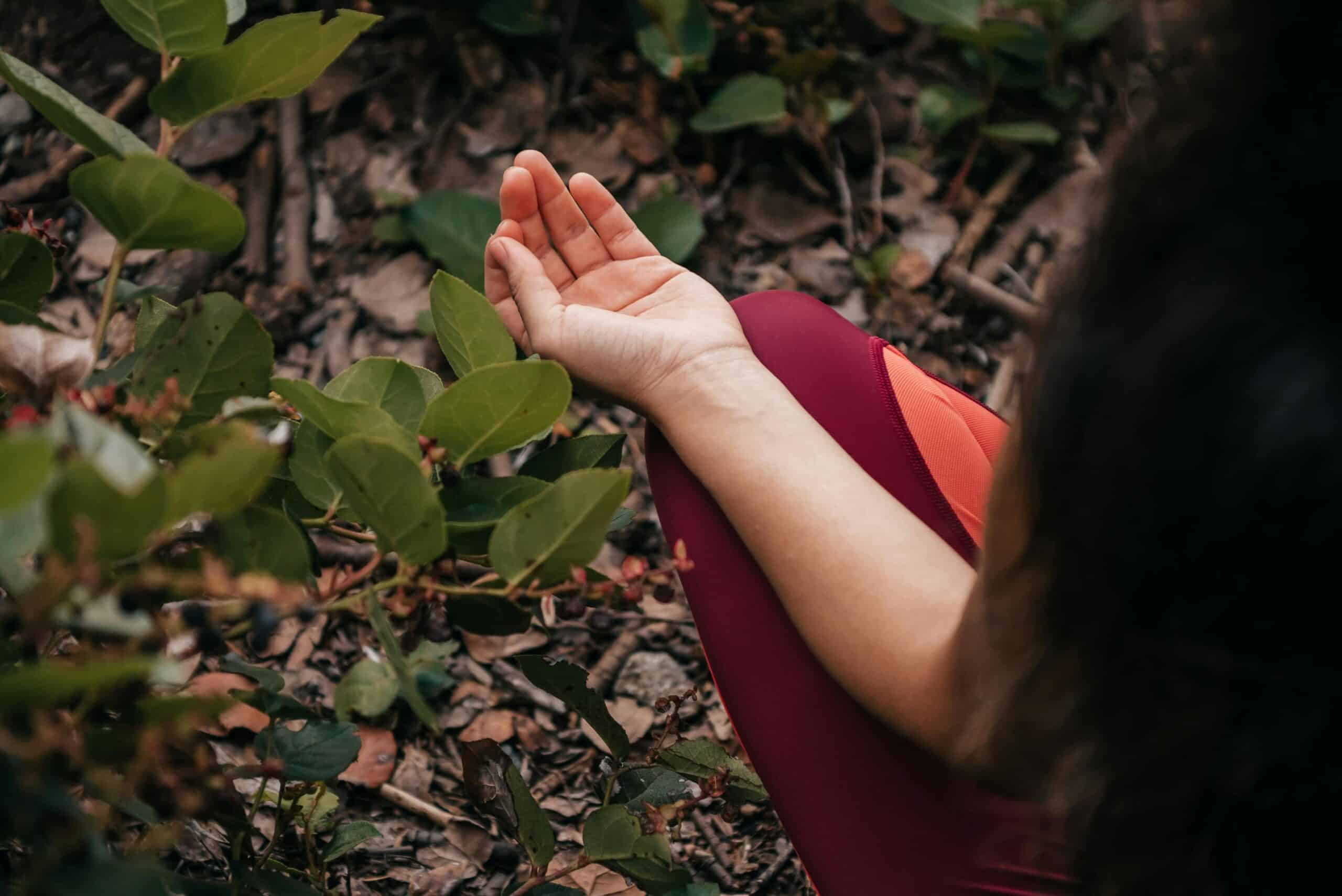
🔑 Embracing the Journey Toward Balance and Peace
Mindfulness-Based Stress Reduction offers not a quick fix but a fundamental reorientation to life—one that trades reactivity for responsivity, judgment for curiosity, and resistance for acceptance. The path requires patience and persistence, but the rewards extend far beyond stress reduction into every aspect of your existence.
Your relationship with stress will never be the same once you’ve tasted the freedom that mindfulness provides. Challenges won’t disappear, but your capacity to meet them with clarity, calm, and wisdom will grow exponentially. The peace you seek isn’t found by arranging external circumstances perfectly; it emerges from cultivating a different way of relating to whatever circumstances arise.
Every moment offers a fresh opportunity to begin again, to return to the present, to choose awareness over automaticity. Your journey toward a balanced and peaceful life starts not someday when conditions are perfect, but right now, with this very breath. The path is simple but not always easy—and absolutely worth walking.

Toni Santos is a visual storyteller and sartorial artisan whose work revives the forgotten threads of historical fashion. With a deep fascination for garments lost to time, Toni weaves together art, memory, and material culture to illuminate the styles, symbols, and silent codes once stitched into humanity’s past.
His creative journey is rooted in a passion for clothing as narrative — from ceremonial robes of vanished empires to the subtle embroidery of medieval outcasts, from whispered meanings in Victorian accessories to the ritual adornments of ancient rites. Each piece Toni brings to life is more than aesthetic; it’s an echo of identity, power, belief, and transformation across centuries.
With a background in visual design and handcrafted techniques, Toni blends historical research with creative interpretation. His work reimagines the overlooked: the feathered cloaks, perfumed gloves, symbolic fastenings, and forbidden textiles that once defined entire cultures — now reborn as visual artifacts that speak across time.
As the visionary behind Vizovex, Toni shares stories, artworks, and curated collections that reconnect audiences with the deeper meaning of what we wear — and what clothing reveals when it is finally seen not just as fashion, but as forgotten language.
His work is a tribute to:
The poetry of garments lost in history’s folds
The cultural codes woven into ancient textiles
The beauty of attire as identity, memory, and myth
Whether you’re a fashion historian, a designer seeking timeless inspiration, or simply drawn to the mystery of what people once wore and why, Toni invites you to explore a world where forgotten fashions are revived — one stitch, one silhouette, one story at a time.