Modern life moves fast, and finding peace can feel impossible. But what if just a few minutes could restore your energy and clarity? ✨
In today’s hyperconnected world, stress has become our unwelcome companion. We rush from meeting to meeting, scroll endlessly through notifications, and rarely pause long enough to check in with ourselves. The good news? You don’t need hours of silence or a secluded mountain retreat to experience the profound benefits of meditation. Quick meditation practices designed for busy lifestyles can transform scattered moments throughout your day into powerful reset buttons for your mind and body.
Whether you’re standing in line for coffee, sitting at your desk between tasks, or lying in bed before sleep, these energizing meditation techniques can slip seamlessly into the spaces already existing in your routine. The key isn’t finding more time—it’s using the time you have more intentionally.
Why Quick Meditation Works for Busy People 🧠
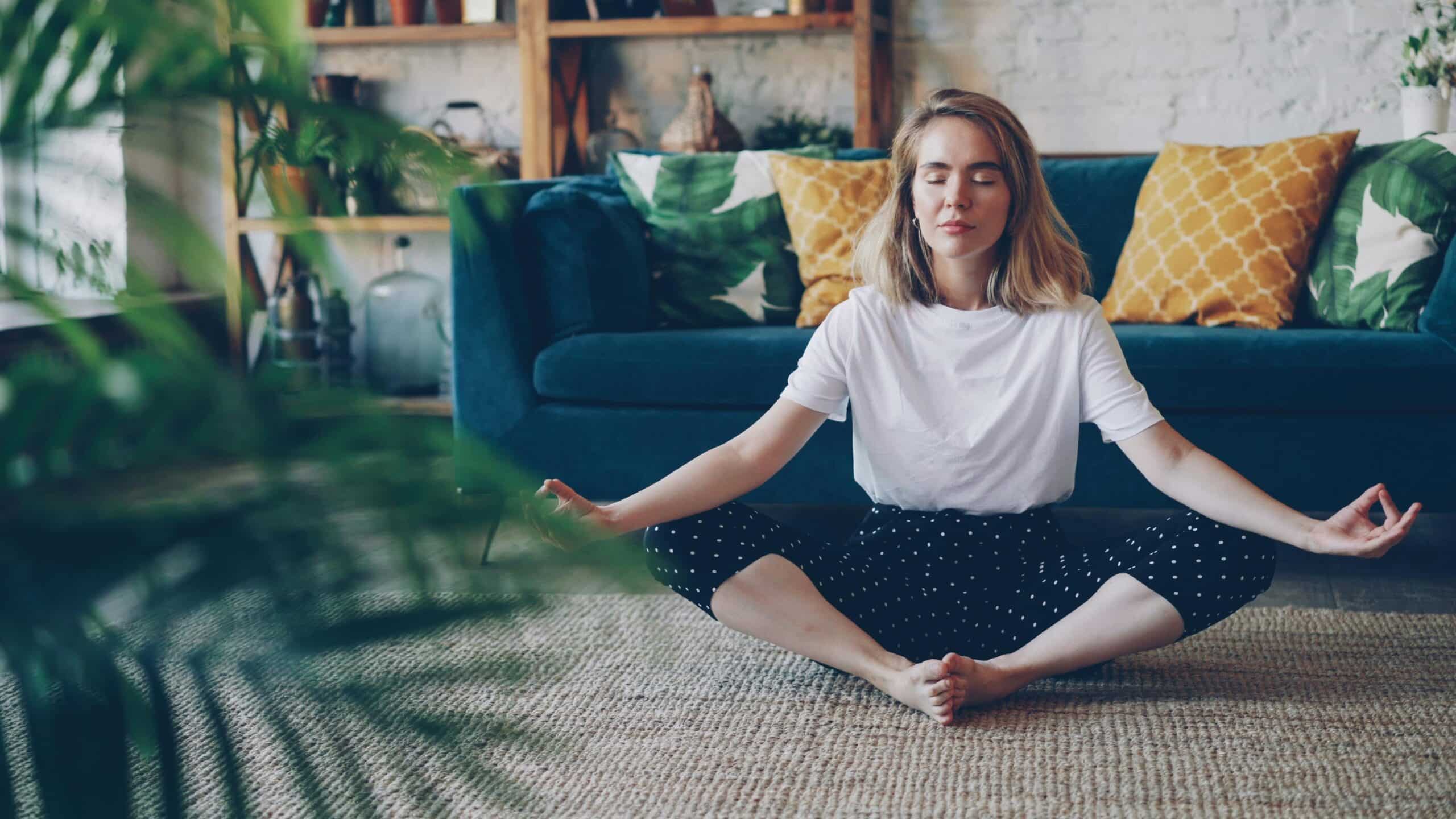
The traditional image of meditation—sitting cross-legged for an hour in perfect stillness—intimidates many people away from even trying. Research from Harvard Medical School shows that even brief meditation sessions of 5-10 minutes can produce measurable changes in brain regions associated with memory, sense of self, empathy, and stress.
Short meditation practices work because they’re sustainable. Instead of requiring massive schedule overhauls, they fit into life as it actually is. Your brain doesn’t distinguish between a 60-minute session and six 10-minute sessions when it comes to cumulative benefits. Consistency matters more than duration, and brief practices are far easier to maintain consistently.
Quick meditations also provide immediate feedback. Within minutes, you’ll notice shifted energy, clearer thinking, or reduced physical tension. This instant gratification creates a positive reinforcement loop, making you more likely to continue the practice. Unlike longer sessions that require patience to perceive benefits, these compact techniques deliver noticeable results almost immediately.
The Three-Breath Reset: Your Fastest Calm Tool
When you need instant grounding, nothing beats the three-breath reset. This ultra-quick practice takes less than a minute and can be done absolutely anywhere—during a tense conversation, before an important presentation, or when anxiety starts creeping in.
Here’s how it works: Close your eyes or soften your gaze. Take one deep breath, inhaling through your nose for a count of four. Hold briefly, then exhale slowly through your mouth for a count of six. Repeat twice more, focusing entirely on the sensation of breath moving through your body. That’s it.
The magic lies in the exhale being longer than the inhale, which activates your parasympathetic nervous system—your body’s natural calming mechanism. This physiological response happens automatically, regardless of your meditation experience level. Keep this technique in your mental toolkit for moments when stress spikes unexpectedly.
Body Scan Express: Five Minutes to Physical Awareness 💆
Physical tension accumulates throughout the day without us noticing. Shoulders creep toward ears, jaws clench, and breathing becomes shallow. A five-minute body scan meditation brings conscious awareness to these patterns and releases stored stress.
Find a comfortable position, sitting or standing. Starting at the top of your head, mentally scan downward through your body. Notice your forehead—is it tense? Your jaw—is it clenched? Continue through your neck, shoulders, arms, chest, abdomen, hips, legs, and feet. You’re not trying to change anything, just observing what’s there.
As you notice areas of tension, breathe into them. Imagine your breath flowing directly to that tight shoulder or clenched stomach, bringing oxygen and relaxation. This practice develops body literacy—the ability to recognize and respond to physical stress signals before they escalate into headaches, back pain, or exhaustion.
The body scan works exceptionally well during lunch breaks or before bed. It creates a clear transition point between different parts of your day, helping your nervous system shift gears appropriately.
Walking Meditation: Movement Meets Mindfulness 🚶
Who says meditation requires sitting still? Walking meditation transforms necessary movement into contemplative practice, perfect for people who find stillness challenging or simply need to get somewhere.
Choose any walk you’re already taking—to your car, around the office, or through your neighborhood. Instead of mentally rehearsing your to-do list, bring full attention to the physical sensations of walking. Feel your feet making contact with the ground. Notice the rhythm of your steps. Observe how your arms swing, how your body balances, how air moves across your skin.
When your mind wanders (and it will), gently return focus to the physical experience of walking. The beauty of this practice is its flexibility. You can do it for three minutes or thirty, at any pace, in any location. It’s particularly valuable for people whose minds race when they try seated meditation—the physical movement provides an anchor for restless attention.
Walking meditation also sneaks mindfulness into your day without requiring extra time. You’re walking anyway; you’re simply walking with greater presence and intention.
Desk-Friendly Meditations for Work Environments
Your workspace can become a meditation sanctuary with practices designed for professional settings. These techniques require no special equipment and won’t raise eyebrows from colleagues.
The Email Pause Practice ⌨️
Before checking email, take three conscious breaths. This tiny ritual creates space between stimulus and response, preventing the inbox from hijacking your emotional state. It takes fifteen seconds but transforms how you engage with digital communication throughout the day.
Mindful Coffee or Tea Break
Instead of gulping coffee while answering messages, dedicate five minutes to single-tasking your beverage. Notice the warmth of the cup in your hands. Observe the aroma. Taste each sip fully. This transforms a caffeine delivery system into a sensory meditation that genuinely refreshes you.
The Desk Chair Body Alignment
Sitting at desks creates postural distortions that affect both physical health and mental clarity. Take two minutes to sit properly: feet flat on the floor, spine lengthened, shoulders relaxed. Close your eyes and simply observe your breath in this aligned position. This micro-practice prevents the afternoon slump and reduces chronic pain.
Visualization Techniques That Energize Quickly ⚡
Visualization meditations harness your imagination to shift energy states rapidly. These practices work especially well when you need an energy boost but can’t physically move or when you’re feeling mentally foggy.
Try the “Light Shower” visualization: Close your eyes and imagine standing beneath a waterfall of brilliant, warm light. As this light flows over and through you, it dissolves stress, fatigue, and mental clutter. Visualize it washing away everything that doesn’t serve you, leaving you refreshed and clear. Spend just three minutes with this imagery, and you’ll notice a genuine energetic shift.
Another powerful quick visualization is the “Mountain Stance.” Picture yourself as a mountain—solid, unshakeable, weathering all storms while remaining fundamentally stable. This imagery is particularly helpful before challenging conversations or decisions, creating inner strength and perspective in under two minutes.
Visualization works because your brain processes imagined experiences similarly to real ones. Vividly imagining calm, energy, or strength activates the same neural pathways as actually experiencing these states, creating real physiological changes from mental practice alone.
Sound-Based Meditation for Auditory Anchors 🎵
Some minds focus more easily on sounds than breath or body sensations. Sound-based meditations leverage this preference for quick centering.
The simplest version: Set a timer for five minutes. Close your eyes and simply listen. Don’t label sounds as good or bad, pleasant or annoying—just notice them. Traffic noise, air conditioning hum, birds chirping, keyboard clicking. Let sounds come to you rather than reaching for them. This practice develops present-moment awareness while reducing mental commentary.
Mantras offer another sound-based approach. Choose a simple phrase—”I am calm,” “This too shall pass,” or even just “Om.” Repeat it silently in rhythm with your breath for three to five minutes. The repetition occupies your verbal mind, creating space from anxious thoughts while the meaning of the phrase subtly influences your state.
Binaural beats and meditation music apps provide external sound support. Even five minutes of listening with headphones can shift brainwave patterns toward calmer states. These tools work well for people who struggle with silence or distracting environments.
Creating Your Personal Quick-Meditation Routine
The most effective meditation practice is the one you’ll actually do. Building a sustainable routine means matching techniques to your specific lifestyle, preferences, and challenges.
Start by identifying natural transition points in your day—moments that already exist where you could insert a brief practice. Common opportunities include: right after waking, before checking your phone, during commutes, before meals, between work tasks, or before bed. These existing breaks in activity make ideal meditation anchors.
Choose one technique that appeals to you and commit to it for a week. Don’t try to overhaul your entire life simultaneously. One three-minute practice done consistently creates more benefit than five different techniques attempted sporadically. Once the first practice becomes habitual, add another if desired.
Track your practice simply—a checkmark on a calendar works fine. This creates accountability and lets you see patterns. You might notice you meditate more easily in mornings than evenings, or that body scans work better for you than breath focus. Let this information shape your routine.
Overcoming Common Quick-Meditation Obstacles 🚧
Even brief practices face resistance. Understanding common obstacles helps you navigate them skillfully.
The “I don’t have time” trap: If you genuinely cannot find three minutes in a day, your schedule needs urgent restructuring for health reasons beyond meditation. In reality, most people spend more than three minutes scrolling social media or staring blankly between tasks. It’s rarely about time availability—it’s about prioritization.
The perfectionism problem: Many people abandon meditation because they think they’re “doing it wrong” when their minds wander. Mind-wandering isn’t failure—noticing the wandering and returning attention is the practice. There’s no wrong way to meditate as long as you keep showing up.
Expecting immediate transformation: While quick meditations do provide immediate calm, their deepest benefits accumulate over weeks and months. Approach them like brushing your teeth—essential daily maintenance rather than emergency intervention.
Environmental interruptions: You won’t always find quiet spaces. Practice anyway. Meditation amid chaos develops a different, perhaps more valuable, skill—finding inner stillness regardless of external conditions. Some days your meditation will feel peaceful; other days it won’t. Both types are beneficial.
Measuring Progress Without Obsessing Over Results 📊
Paradoxically, meditation works best when you stop trying to achieve specific outcomes. However, some awareness of progress helps maintain motivation.
Notice changes in baseline states rather than meditation experiences themselves. Are you slightly less reactive in traffic? Do you fall asleep more easily? Can you focus a bit longer before your mind wanders? These subtle shifts in daily life indicate your practice is working, even if individual meditation sessions feel unremarkable.
Physical markers often appear before mental ones. You might notice reduced muscle tension, lower resting heart rate, or better digestion before you consciously register feeling calmer. Your body integrates meditation benefits before your mind fully recognizes them.
Consider keeping a brief journal—just a sentence or two about how you felt before and after practice. Over time, patterns emerge showing that consistent practice genuinely shifts your experience, even when individual sessions feel insignificant.
Adapting Practices to Different Energy Needs Throughout the Day 🌅
Not all meditations serve the same purpose. Strategic selection based on your current state maximizes effectiveness.
Morning practices should energize and set intention. Try visualizations that activate and inspire, or walking meditation that gets energy moving. Avoid deeply relaxing practices that might make you want to crawl back into bed.
Midday meditations combat the afternoon slump and transition between morning and evening energy. Body scans release accumulated tension, while breath practices restore mental clarity. These sessions reset you for the second half of your day.
Evening practices should facilitate unwinding and prepare for sleep. Longer exhales, body relaxation, and calming visualizations signal your nervous system that the active day is ending. Avoid energizing practices close to bedtime unless you’re working night shifts.
Crisis moments call for the simplest techniques—three-breath resets or brief body awareness. When stress is high, complex practices become additional pressure. Simple is sophisticated during acute stress.
Building Long-Term Sustainability Into Quick Practices 🌱
The difference between meditation as a passing experiment and a lifelong practice often comes down to sustainable structure.
Start absurdly small. If three minutes feels like too much commitment, start with one. Seriously. One minute of daily meditation builds the habit pathway in your brain. Once the pattern exists, expanding duration is relatively easy. But most people start too ambitiously, can’t maintain it, and quit entirely.
Link meditation to existing habits. “After I pour my morning coffee, I will take three conscious breaths before drinking it.” This habit-stacking technique leverages existing behavioral patterns rather than requiring willpower to create entirely new ones.
Give yourself permission to have imperfect practices. Meditation during a chaotic day counts just as much as meditation in ideal conditions. Some days you’ll feel present and calm; other days your mind will race incessantly. Both types of sessions are valuable practice.
Join communities, online or in-person, where meditation is normalized. Seeing others maintain regular practices, even brief ones, reinforces your own commitment. Apps, local groups, or online forums provide this social support structure.
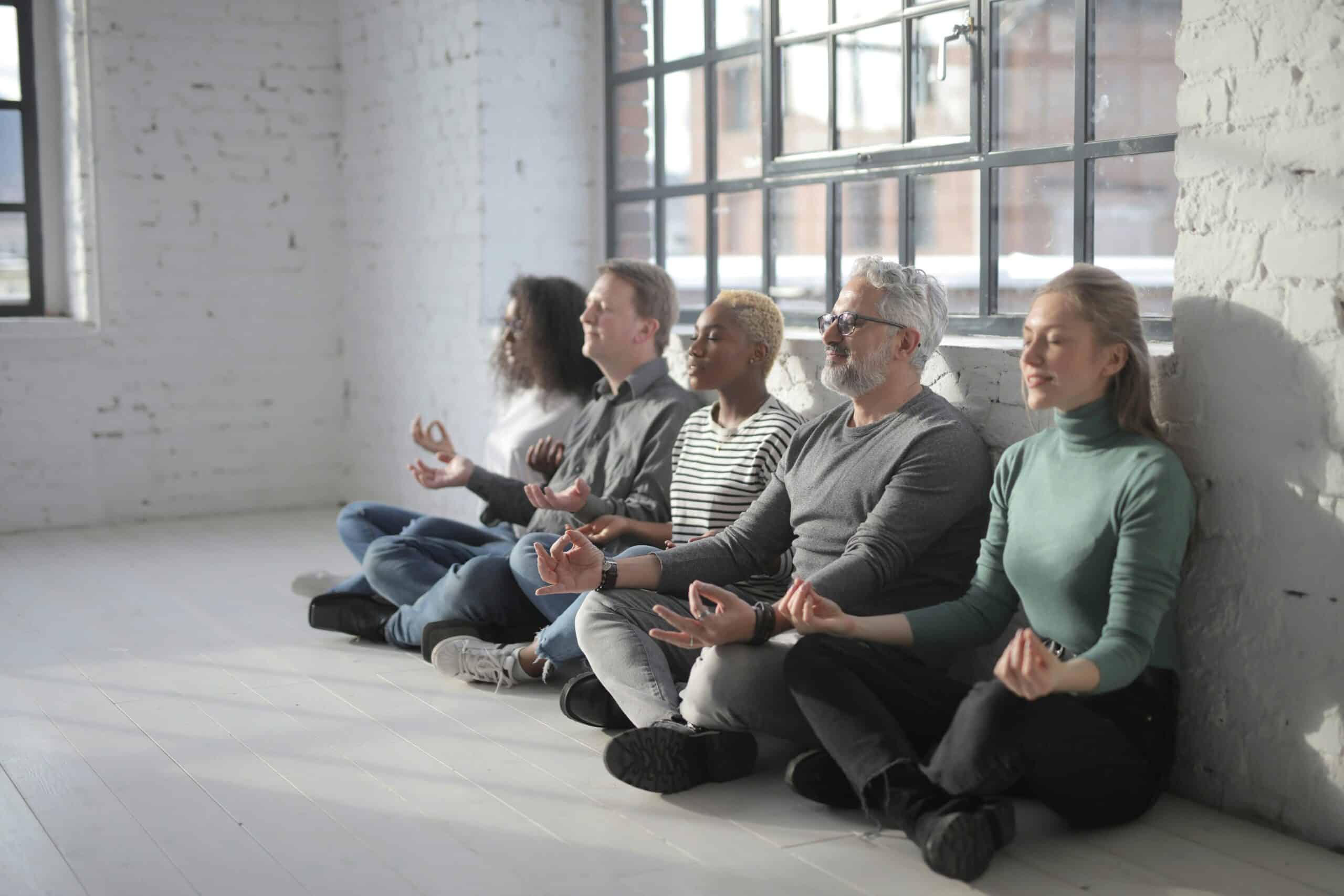
Your Calm Is Just Minutes Away 🕊️
The busy lifestyle that makes meditation feel impossible is precisely why you need it most. Quick meditation practices aren’t compromises or second-best options—they’re powerful tools specifically designed for modern life’s realities.
You don’t need to become a meditation expert, dedicate hours daily, or retreat from your responsibilities. You simply need to claim a few minutes here and there, bringing intentional awareness to moments that would otherwise pass unnoticed. These small investments accumulate into profound shifts in how you experience your life.
The practices shared here—breath resets, body scans, walking meditation, visualization, sound focus—offer multiple entry points. Experiment to discover what resonates with your particular nervous system and lifestyle. There’s no universal “best” technique; there’s only what works for you right now.
Starting today, you have everything necessary to find calm in minutes. Not someday when life gets less busy, not after you’ve read more books or taken more courses. Right now, in this moment, you can close your eyes, take three conscious breaths, and experience the shift that meditation offers.
Your busy lifestyle doesn’t exclude you from meditation’s benefits—it makes you the ideal candidate for these quick, energizing practices. The question isn’t whether you have time, but whether you’re willing to use the time you have more consciously. Those few minutes scattered throughout your day might just transform everything. 🌟

Toni Santos is a visual storyteller and sartorial artisan whose work revives the forgotten threads of historical fashion. With a deep fascination for garments lost to time, Toni weaves together art, memory, and material culture to illuminate the styles, symbols, and silent codes once stitched into humanity’s past.
His creative journey is rooted in a passion for clothing as narrative — from ceremonial robes of vanished empires to the subtle embroidery of medieval outcasts, from whispered meanings in Victorian accessories to the ritual adornments of ancient rites. Each piece Toni brings to life is more than aesthetic; it’s an echo of identity, power, belief, and transformation across centuries.
With a background in visual design and handcrafted techniques, Toni blends historical research with creative interpretation. His work reimagines the overlooked: the feathered cloaks, perfumed gloves, symbolic fastenings, and forbidden textiles that once defined entire cultures — now reborn as visual artifacts that speak across time.
As the visionary behind Vizovex, Toni shares stories, artworks, and curated collections that reconnect audiences with the deeper meaning of what we wear — and what clothing reveals when it is finally seen not just as fashion, but as forgotten language.
His work is a tribute to:
The poetry of garments lost in history’s folds
The cultural codes woven into ancient textiles
The beauty of attire as identity, memory, and myth
Whether you’re a fashion historian, a designer seeking timeless inspiration, or simply drawn to the mystery of what people once wore and why, Toni invites you to explore a world where forgotten fashions are revived — one stitch, one silhouette, one story at a time.