Transforming your daily routine through habit stacking can revolutionize your productivity, turning small consistent actions into remarkable achievements and long-term success.
In today’s fast-paced world, the difference between those who achieve their goals and those who don’t often comes down to one critical factor: the quality of their daily habits. While motivation fluctuates and willpower depletes, well-designed routines create a framework for consistent progress. Habit stacking emerges as one of the most powerful techniques to build these routines, allowing you to layer productive behaviors onto existing patterns in your life.
This comprehensive guide will walk you through everything you need to know about habit stacking, from understanding the science behind it to implementing practical strategies that will transform your productivity and set you on the path to sustained success.
🧠 The Science Behind Habit Formation and Stacking
Before diving into habit stacking techniques, it’s essential to understand how habits form in your brain. Neuroscience research reveals that habits are created through a neurological loop consisting of three components: a cue, a routine, and a reward. When you repeat this loop consistently, your brain forms neural pathways that make the behavior increasingly automatic.
Habit stacking leverages this neurological process by using existing habits as anchors for new behaviors. Instead of relying solely on motivation or creating entirely new triggers, you attach desired actions to behaviors already hardwired into your brain. This approach dramatically increases your success rate because you’re working with your brain’s natural inclination toward pattern recognition and automation.
The basal ganglia, a region deep within your brain, plays a crucial role in habit formation. As behaviors become habitual, this area takes over, freeing up your prefrontal cortex for more complex decision-making. By strategically stacking habits, you essentially create a domino effect of productivity, where completing one action naturally triggers the next.
📋 What Exactly Is Habit Stacking?
Habit stacking is a strategy developed and popularized by productivity experts, most notably S.J. Scott and James Clear. The concept is elegantly simple: you take a current habit you already do each day and stack a new behavior on top of it. The formula looks like this: “After I [CURRENT HABIT], I will [NEW HABIT].”
This technique differs from traditional habit formation because it doesn’t require you to remember to perform a new behavior at a specific time or wait for the perfect motivation. Instead, your existing habit becomes the trigger, creating a clear cue that initiates the new behavior automatically.
For example, instead of saying “I will meditate every morning,” which is vague and easy to forget, you might say “After I pour my morning coffee, I will meditate for five minutes.” The act of pouring coffee becomes the reliable trigger that initiates your meditation practice.
✨ The Transformative Power of Small Stacks
One of the most common mistakes people make when trying to improve their routines is attempting too much at once. They create elaborate morning routines with fifteen new habits or commit to radical lifestyle overhauls that prove unsustainable within days.
Habit stacking succeeds precisely because it emphasizes small, manageable additions to your existing routine. A two-minute habit stacked onto something you already do is infinitely more sustainable than a thirty-minute practice you need to squeeze into an already packed schedule.
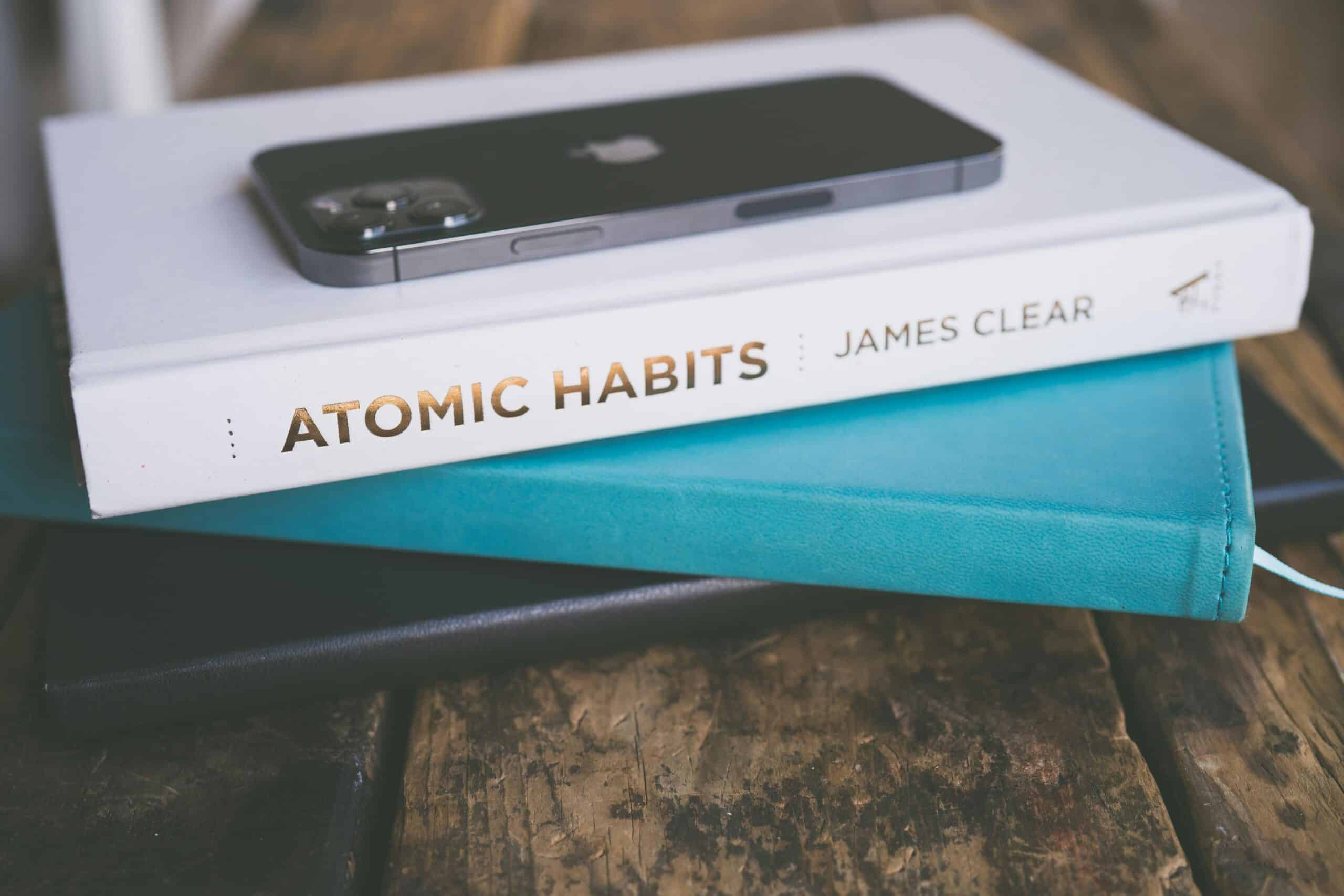
These small stacks compound over time, creating what James Clear calls “atomic habits”—tiny changes that deliver remarkable results through accumulation. Adding just five small habits throughout your day, each taking only two to three minutes, gives you an extra ten to fifteen minutes of productive behavior. Over a year, that’s nearly 100 hours of progress toward your goals.
🎯 Identifying Your Current Habit Anchors
The foundation of successful habit stacking lies in identifying reliable existing habits that can serve as anchors. These are behaviors you perform consistently, without thinking, day after day. The more automatic and established the anchor habit, the stronger foundation it provides for your new behavior.
Common anchor habits include:
- Waking up and getting out of bed
- Brushing your teeth (morning and evening)
- Making your morning coffee or tea
- Sitting down at your desk
- Starting your computer
- Eating lunch or dinner
- Putting on workout clothes
- Plugging in your phone to charge
- Turning off lights before bed
- Getting into your car
Spend time mapping out your typical day, noting behaviors you perform without conscious thought. These automatic actions represent prime opportunities for stacking new productivity-enhancing habits.
💪 Building Your Personal Habit Stack
Creating an effective habit stack requires strategic thinking about what you want to achieve and how new behaviors can logically connect to your existing routine. The key is ensuring each stacked habit flows naturally from the one before it, creating a seamless chain of actions.
Start by selecting one area of your life you want to improve—productivity, health, relationships, or personal development. Then identify a single new habit that would create meaningful progress in that area. Finally, find the perfect anchor habit that naturally precedes your desired new behavior.
For instance, if you want to improve your physical health, your stack might look like this:
- After I wake up, I will drink a full glass of water
- After I drink my water, I will do ten pushups
- After I do ten pushups, I will take my vitamins
- After I take my vitamins, I will prepare a healthy breakfast
Notice how each behavior naturally leads to the next, creating a coherent morning routine that reinforces your health goals without requiring enormous willpower or dramatic schedule changes.
⏰ Designing Morning and Evening Power Stacks
The bookends of your day—morning and evening routines—offer exceptional opportunities for habit stacking because they’re transitions between states. Your brain is particularly receptive to patterns during these times, making them ideal for anchoring productivity-enhancing behaviors.
Morning Stack for Peak Productivity
Your morning routine sets the tone for your entire day. A well-designed morning habit stack can boost your energy, focus, and motivation before you even begin your primary work. Consider this productivity-focused morning stack:
- After my alarm goes off, I will immediately sit up (no snoozing)
- After I sit up, I will state one thing I’m grateful for
- After I stand up, I will make my bed
- After I make my bed, I will open the blinds
- After I open the blinds, I will do two minutes of stretching
- After I stretch, I will drink water
- After I drink water, I will review my top three priorities for the day
This stack takes less than ten minutes but establishes a foundation of accomplishment, clarity, and physical readiness that carries throughout your day.
Evening Stack for Recovery and Preparation
Your evening routine is equally important for sustained productivity because it facilitates recovery and sets up tomorrow’s success. An effective evening stack might include:
- After I finish dinner, I will clean my workspace for tomorrow
- After I clean my workspace, I will lay out my clothes for tomorrow
- After I lay out my clothes, I will review what I accomplished today
- After I review my day, I will write down my top three priorities for tomorrow
- After I write my priorities, I will plug in all devices outside my bedroom
- After I plug in my devices, I will read for fifteen minutes
This evening stack eliminates morning decision fatigue, celebrates progress, and creates a technology-free wind-down period that improves sleep quality.
📱 Leveraging Technology to Support Your Stacks
While the beauty of habit stacking lies in using existing behaviors as triggers rather than external reminders, technology can still play a supportive role, especially during the initial formation period when new behaviors aren’t yet automatic.
Habit tracking applications can help you monitor consistency, identify patterns, and maintain motivation during the crucial first weeks of habit formation. These tools provide visual representations of your progress, triggering reward responses in your brain that reinforce your commitment to the new behaviors.
When selecting a habit tracking tool, look for features that align with your stacking approach—the ability to chain habits together, set specific triggers, and track completion of entire sequences rather than just individual behaviors. The visual feedback these apps provide can reinforce your commitment during the critical habit formation period.
🚧 Overcoming Common Habit Stacking Obstacles
Despite the simplicity and effectiveness of habit stacking, you’ll inevitably encounter challenges as you implement this strategy. Understanding these common obstacles and having solutions ready dramatically increases your success rate.
The Complexity Trap
Perhaps the most frequent mistake is making stacked habits too complex or time-consuming. Remember, you’re adding behaviors to an existing routine, not creating a completely new lifestyle overnight. If a stacked habit takes more than five minutes, especially in the beginning, you’re likely setting yourself up for failure.
Solution: Start absurdly small. If you want to develop a reading habit, begin with “After I get into bed, I will read one page.” Once this becomes automatic, you can naturally expand the behavior. The goal is consistency, not impressive performance.
Inconsistent Anchor Habits
If your anchor habit isn’t consistent, your stacked behavior won’t be either. Choosing an anchor that you only perform occasionally or that varies significantly in timing creates an unreliable foundation for building new habits.
Solution: Be brutally honest about which habits you truly perform every single day. It’s better to stack onto a simple, reliable behavior like “after I close my bedroom door” than a more impressive but inconsistent anchor like “after I finish my workout.”
Missing the Reward Element
Habits stick when they provide some form of immediate reward, even if it’s simply a sense of accomplishment. If your stacked habits feel purely obligatory without any positive reinforcement, they’ll require constant willpower rather than becoming automatic.
Solution: Intentionally build in micro-rewards. This might be as simple as mentally acknowledging completion (“done!”), making a satisfying check mark, or following a less enjoyable stacked habit with a more pleasurable one.
🔄 Advanced Stacking Strategies for Maximum Impact
Once you’ve mastered basic habit stacking, you can implement more sophisticated strategies that multiply your productivity gains and create comprehensive routines aligned with your bigger goals.
The Theme Stack Approach
Instead of randomly selecting habits to stack, organize them around specific themes or life areas. Create separate stacks for health, professional development, relationships, and creative pursuits. This thematic organization ensures balanced progress across all important life dimensions.
For example, your professional development stack might include:
- After I sit at my desk, I will review my quarterly goals
- After I review my goals, I will identify the most important task
- After I identify my most important task, I will work on it for 25 minutes without interruption
- After this focused work session, I will take a five-minute break outside
Situational Stacking
Beyond time-based routines, you can create habit stacks triggered by specific situations or locations. These situational stacks help you respond productively to recurring circumstances rather than just times of day.
Examples include:
- After I sit in my car, I will take three deep breaths before driving
- After I receive a challenging email, I will wait 10 minutes before responding
- After I complete a phone call, I will immediately document key points
- After I feel frustrated, I will take a brief walk
These situational stacks transform you from reactive to proactive, inserting intentional behaviors into moments that might otherwise trigger stress or inefficiency.
📊 Measuring Progress and Adjusting Your Stacks
Sustainable productivity improvement requires regular assessment and adjustment. Your habit stacks shouldn’t remain static; they should evolve as behaviors become automatic and as your goals change.
Set a monthly review appointment with yourself to evaluate your stacks. Ask critical questions: Which stacked habits have become truly automatic? Which still require significant mental effort? Are these habits moving you toward your larger goals, or have they become performative rather than productive?
When a stacked habit becomes fully automatic—when you’d feel strange not doing it—that’s your signal to either deepen that habit (extend the time, increase the difficulty) or add another small behavior to the stack. This progressive approach ensures continuous growth without overwhelming your capacity.
Track leading indicators rather than just outcomes. Instead of only measuring whether you achieved a big goal, track the completion of the daily stacked habits that lead to that goal. This focus on process over outcome reduces anxiety and provides more immediate feedback on your progress.
🌟 From Stacks to Systems: Building Complete Productivity Frameworks
As your individual habit stacks mature, you can begin connecting them into comprehensive productivity systems that support your biggest ambitions. This evolution from isolated stacks to integrated systems represents the ultimate expression of habit-based productivity.
A complete productivity framework might include morning stacks that prepare your mind and body, work-session stacks that maximize focus, transition stacks that help you shift between different types of tasks, and evening stacks that facilitate recovery and next-day preparation.
These interconnected stacks create a lifestyle where productivity isn’t something you have to constantly chase or manufacture through willpower. Instead, it becomes the natural outcome of well-designed routines that align your daily actions with your long-term vision.
🎓 Real-World Success Stories: Habit Stacking in Action
Understanding how others have used habit stacking to achieve remarkable results can inspire your own journey and provide practical insights into effective implementation.
Consider the entrepreneur who transformed her business productivity by creating a simple pre-work stack: After pouring her morning coffee, she would review her revenue goals; after reviewing her goals, she would identify the one client action that would have the biggest impact that day; after identifying this action, she would complete it before checking email. This fifteen-minute stack, performed consistently, doubled her revenue within six months.
Or the graduate student who struggled with dissertation progress until he implemented an evening stack: After dinner, he would clear his desk; after clearing his desk, he would write just one paragraph; after writing, he would update his progress tracker. This modest stack, totaling perhaps twenty minutes, resulted in completing his dissertation four months ahead of schedule.
These stories share a common thread: transformative results came not from dramatic actions but from small, consistent behaviors strategically stacked onto existing routines.
🚀 Taking Action: Your First Habit Stack
Knowledge without implementation creates no value. The difference between reading about habit stacking and actually experiencing its benefits lies entirely in taking that first concrete step toward building your initial stack.
Start today with this simple process: Identify one existing habit you perform without fail every single day. Choose one new behavior that would improve your productivity and takes less than two minutes to complete. Commit to performing that new behavior immediately after your anchor habit for the next seven days, without exception.
Don’t worry about creating the perfect comprehensive routine or optimizing every detail. Focus on proving to yourself that the stacking method works through one successful micro-habit. That small win will provide the confidence and momentum needed to expand your stacks strategically over time.
Remember that mastering your routine through habit stacking isn’t about overnight transformation. It’s about leveraging the compound effect of small, consistent actions that align with your vision of success. Each stacked habit represents a vote for the type of person you want to become and the level of productivity you want to achieve.
Your journey toward unlocking productivity and success through powerful habit stacking begins with a single connection between what you already do and what you want to do. Make that connection today, and watch as small daily stacks create extraordinary long-term results. 🎯

Toni Santos is a visual storyteller and sartorial artisan whose work revives the forgotten threads of historical fashion. With a deep fascination for garments lost to time, Toni weaves together art, memory, and material culture to illuminate the styles, symbols, and silent codes once stitched into humanity’s past.
His creative journey is rooted in a passion for clothing as narrative — from ceremonial robes of vanished empires to the subtle embroidery of medieval outcasts, from whispered meanings in Victorian accessories to the ritual adornments of ancient rites. Each piece Toni brings to life is more than aesthetic; it’s an echo of identity, power, belief, and transformation across centuries.
With a background in visual design and handcrafted techniques, Toni blends historical research with creative interpretation. His work reimagines the overlooked: the feathered cloaks, perfumed gloves, symbolic fastenings, and forbidden textiles that once defined entire cultures — now reborn as visual artifacts that speak across time.
As the visionary behind Vizovex, Toni shares stories, artworks, and curated collections that reconnect audiences with the deeper meaning of what we wear — and what clothing reveals when it is finally seen not just as fashion, but as forgotten language.
His work is a tribute to:
The poetry of garments lost in history’s folds
The cultural codes woven into ancient textiles
The beauty of attire as identity, memory, and myth
Whether you’re a fashion historian, a designer seeking timeless inspiration, or simply drawn to the mystery of what people once wore and why, Toni invites you to explore a world where forgotten fashions are revived — one stitch, one silhouette, one story at a time.