Understanding how habits form is the key to personal transformation. The science of habit formation reveals why change feels difficult and how to make it stick permanently.
🧠 The Neuroscience of Habit Formation: What Happens Inside Your Brain
Your brain is constantly working to make your life easier, and habits are one of its most powerful tools. When you perform an action repeatedly, your brain creates neural pathways that make that behavior automatic. This process, known as neuroplasticity, is the foundation of all habit formation.
The basal ganglia, a region deep within your brain, plays a crucial role in developing habits. When you first learn a new behavior, your prefrontal cortex—the decision-making center—is highly active. But as the behavior becomes routine, the basal ganglia takes over, freeing up mental energy for other tasks.
Research from MIT has shown that habit formation follows a three-step loop: the cue, the routine, and the reward. This neurological pattern, called the habit loop, becomes so ingrained that your brain can execute habits with minimal conscious effort. Understanding this loop is essential for both creating beneficial habits and breaking destructive ones.
Neurotransmitters like dopamine flood your system when you complete a habitual behavior, creating a sense of satisfaction that reinforces the loop. This chemical reward system is why habits feel so compelling and why breaking them requires more than willpower alone.
⏰ The Timeline of Transformation: How Long Does Habit Formation Really Take?
You’ve probably heard that it takes 21 days to form a habit. Unfortunately, this popular myth oversimplifies a complex process. Research from University College London found that the average time to form a new habit is actually 66 days, though this can range from 18 to 254 days depending on the behavior’s complexity.
The timeline varies based on several factors:
- The difficulty of the behavior you’re trying to adopt
- Your existing neural pathways and previous experiences
- The consistency with which you perform the action
- The strength of environmental cues supporting the habit
- Your personal motivation and emotional state
Simple habits like drinking a glass of water after waking up can become automatic within a few weeks. Complex behaviors like maintaining a consistent exercise routine or learning a new language require months of dedicated practice before they feel natural.
The key is consistency, not perfection. Missing one day doesn’t reset your progress, but long breaks can weaken the neural pathways you’ve been building. Studies show that occasional slip-ups have minimal impact on long-term habit formation if you return to the behavior quickly.
🔄 Decoding the Habit Loop: Cue, Routine, and Reward
Charles Duhigg’s groundbreaking work in “The Power of Habit” popularized the habit loop framework that researchers have validated through decades of study. Understanding each component of this loop gives you the power to engineer your own behavioral change.
The Cue: Your Behavioral Trigger
A cue is the trigger that initiates your habit. It can be a specific time of day, a location, an emotional state, the presence of certain people, or a preceding action. Your brain uses these cues to determine which automatic behavior to activate.
Effective cues are consistent and obvious. Morning coffee drinkers often feel the urge simply by entering their kitchen. Smokers may crave a cigarette when they see others smoking or feel stressed. Identifying your existing cues is the first step toward habit modification.
The Routine: The Behavior Itself
The routine is the actual behavior you perform—the habit itself. This can be physical, mental, or emotional. It’s the action your brain executes automatically once triggered by the cue.
When building new habits, start with routines so simple they feel almost trivial. Want to read more? Begin with just one page. Hoping to exercise regularly? Start with two minutes. This approach, called habit stacking, builds momentum without overwhelming your willpower.
The Reward: The Reinforcement Mechanism
Rewards are what make your brain remember and crave the habit loop. They satisfy a craving and signal to your brain that this particular loop is worth remembering for the future.
The most powerful rewards address the underlying craving that drives the habit. If you’re snacking when stressed, the real reward isn’t the food—it’s the brief distraction from anxiety. Recognizing this allows you to find healthier routines that provide the same reward.
💪 The Myth of Willpower: Why Motivation Isn’t Enough
We’ve been taught that lasting change requires unwavering willpower and constant motivation. This belief sets countless people up for failure because it fundamentally misunderstands how behavioral change works.
Research shows that willpower is a limited resource that depletes throughout the day. This phenomenon, called ego depletion, explains why you might eat well all day but raid the refrigerator at night. Relying on willpower alone is like trying to drive across the country on a single tank of gas.
Motivation is equally unreliable. It fluctuates based on your mood, energy levels, and circumstances. The people who successfully create lasting change don’t rely on feeling motivated—they build systems that make good behaviors automatic regardless of how they feel.
Instead of willpower, successful habit formation depends on environmental design, identity-based change, and making desired behaviors the path of least resistance. When your environment supports your goals and your habits align with your identity, willpower becomes largely unnecessary.
🏗️ Engineering Your Environment for Automatic Success
Your environment shapes your behavior far more than your intentions do. The most successful habit builders don’t fight against their surroundings—they redesign them to make good habits inevitable and bad habits difficult.
James Clear calls this “environment design,” and the research supporting it is compelling. One study found that people who keep fruit on their kitchen counter weigh less than those who keep unhealthy snacks visible. The principle is simple: make good behaviors obvious and bad behaviors invisible.
Practical environment design strategies include:
- Placing your workout clothes next to your bed to exercise first thing in the morning
- Deleting social media apps from your phone to reduce mindless scrolling
- Preparing healthy meals in advance so they’re easier to access than junk food
- Creating a dedicated workspace that signals your brain it’s time to focus
- Using habit tracking apps to visualize your progress and maintain consistency
The two-minute rule is particularly effective: when starting a new habit, it should take less than two minutes to do. This makes the behavior so easy that you have no excuse not to do it. Once you’re consistently performing the simplified version, you can gradually increase the complexity.
🎯 Identity-Based Habits: Becoming the Person You Want to Be
Most people approach habit change backward. They focus on what they want to achieve (outcome-based habits) rather than who they wish to become (identity-based habits). This subtle shift in perspective is transformative.
When you exercise because you want to lose weight, you’re relying on external motivation that fades when results are slow. When you exercise because you’re “someone who takes care of their body,” the behavior becomes part of who you are. Identity-based habits are inherently more sustainable because they’re connected to your sense of self.
Every action you take is a vote for the type of person you wish to become. You don’t need to be perfect—you just need to accumulate more votes for your desired identity than against it. Write one sentence, and you’re a writer. Exercise for two minutes, and you’re an athlete. The actions come first, and the identity emerges from the pattern.
This approach also makes breaking bad habits easier. Instead of saying “I’m trying to quit smoking,” say “I’m not a smoker.” The latter is an identity statement that eliminates internal conflict and makes the new behavior feel authentic rather than restrictive.
📊 Tracking Progress: The Power of Measurement and Accountability
What gets measured gets managed. Habit tracking is one of the most effective strategies for maintaining consistency and building momentum. When you record your progress, you create a visual representation of your commitment that motivates continued action.
The benefits of tracking extend beyond motivation. It provides honest feedback about your actual behavior versus your perceived behavior. Many people overestimate their consistency, and tracking reveals the truth, allowing for better planning and adjustment.
| Tracking Method | Best For | Key Benefit |
|---|---|---|
| Paper journal | Simple daily habits | Physical, tactile satisfaction |
| Habit tracking apps | Multiple habits, reminders | Automated tracking and statistics |
| Calendar marking | Visual streaks | Don’t break the chain motivation |
| Accountability partners | Social support | External commitment and encouragement |
Digital tools can make tracking effortless. Habit tracking applications provide reminders, visualize streaks, and offer insights into patterns you might miss. They transform abstract intentions into concrete data you can analyze and optimize.
The satisfaction of marking a habit complete creates a small dopamine hit that reinforces the behavior. This immediate reward supplements the often-delayed benefits of good habits, helping maintain motivation during the difficult early phases.
🚧 Breaking Bad Habits: Strategies for Lasting Elimination
Breaking bad habits is fundamentally different from building good ones. You can’t simply delete a habit—you must replace it. The neural pathways that support your unwanted behaviors don’t disappear; they become dormant when you consistently choose alternative routines.
The substitution strategy involves keeping the same cue and reward while changing the routine. If you bite your nails when anxious, you might replace nail-biting with squeezing a stress ball. The cue (anxiety) and reward (tension relief) remain, but the routine changes to something healthier.
Making bad habits difficult is equally important. Increase the friction between you and undesired behaviors. Want to watch less television? Unplug it after each use and remove the batteries from the remote. The extra steps create space for conscious decision-making instead of automatic behavior.
Understanding the craving beneath your bad habit is crucial. Smokers aren’t truly addicted to cigarettes—they’re addicted to the relief, social connection, or mental break that smoking provides. Address the underlying need, and the surface behavior becomes easier to change.
🔬 The Science of Habit Stacking and Implementation Intentions
Habit stacking leverages your existing routines as triggers for new behaviors. The formula is simple: “After [current habit], I will [new habit].” This approach works because it attaches new behaviors to established neural pathways, reducing the mental effort required.
For example: “After I pour my morning coffee, I will write three things I’m grateful for.” The coffee-pouring is an automatic behavior that serves as a reliable cue for the new gratitude practice. Over time, the two behaviors become linked in your brain.
Implementation intentions take this concept further by specifying exactly when, where, and how you’ll perform a behavior. Research shows that people who create implementation intentions are two to three times more likely to follow through than those who rely on vague goals.
Instead of “I’ll exercise more,” an implementation intention states: “On Monday, Wednesday, and Friday at 6:30 AM, I will do a 20-minute workout in my living room before showering.” The specificity eliminates decision fatigue and creates clarity about expectations.
🌟 Designing a Personal Habit System That Actually Works
Sustainable change isn’t about dramatic overhauls—it’s about designing a personalized system that aligns with your life, values, and natural rhythms. Your habit system should feel supportive rather than restrictive, energizing rather than depleting.
Start by auditing your current habits. Track everything you do for a week without judgment. This inventory reveals patterns and identifies which habits serve your goals and which undermine them. Awareness is the prerequisite for change.
Next, prioritize ruthlessly. Don’t try to change everything simultaneously. Research shows that people who focus on one habit at a time are significantly more successful than those who attempt multiple changes. Once a behavior becomes automatic, add another.
Build your system around keystone habits—behaviors that naturally trigger positive changes in other areas. Exercise is a classic keystone habit; people who exercise regularly often spontaneously improve their diet, sleep better, and become more productive without explicitly trying.
Create feedback loops that provide immediate gratification. Long-term benefits like health and wealth accumulate slowly, making them poor motivators for daily behavior. Design immediate rewards that satisfy you in the moment while supporting long-term objectives.
🎭 Overcoming Plateaus and Maintaining Long-Term Change
The initial excitement of starting new habits eventually fades, replaced by the mundane reality of repetition. This is where most people fail—not in the beginning, but in the boring middle when progress slows and novelty disappears.
Plateaus are inevitable and actually signal progress. When a behavior becomes automatic, you stop noticing improvements because the habit requires less conscious effort. This automation is the goal, not a problem. The plateau means your brain has successfully encoded the behavior.
To maintain engagement during plateaus, introduce strategic variation. If your morning routine feels stale, change the location or add music. The core habit remains, but small modifications provide enough novelty to sustain interest without disrupting the pattern.
Advanced practitioners use habit layering—gradually increasing the complexity or duration of established habits. Once daily meditation feels automatic at two minutes, extend to five, then ten. This progression prevents boredom while building upon your foundation.
Remember that maintaining a habit requires less energy than building one. Once truly established, your good habits become part of your identity and daily rhythm. They feel natural rather than forced, effortless rather than exhausting. This is mastery.
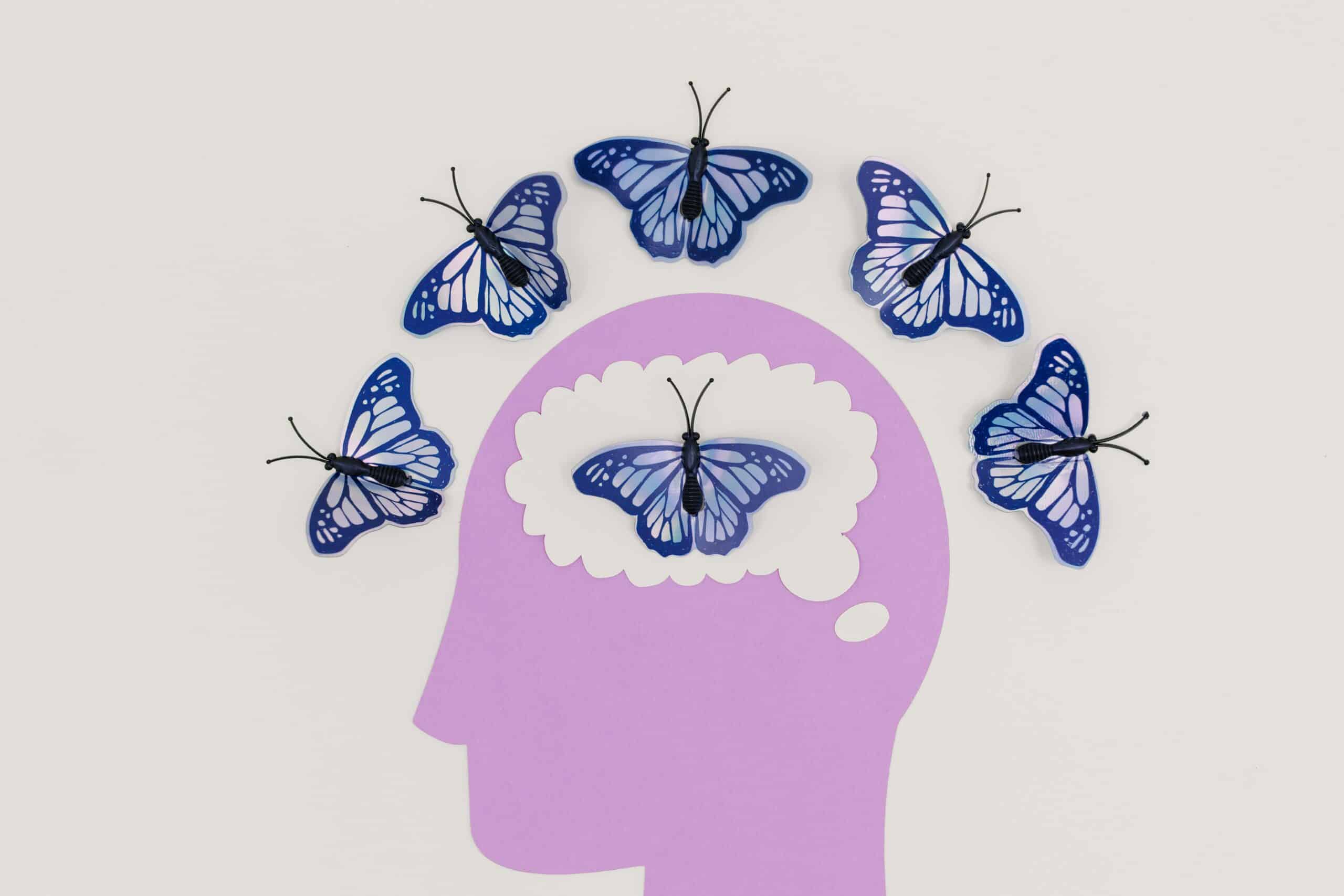
🔮 Transforming Your Future Through Present Actions
The compound effect of small, consistent actions is staggering. A one percent improvement each day compounds to make you 37 times better over a year. Conversely, one percent decline leads to deterioration. Your habits are either moving you toward the person you want to become or away from them.
Lasting change emerges from understanding that you don’t rise to the level of your goals—you fall to the level of your systems. Your outcomes are lagging measures of your habits. Time magnifies the margin between success and failure, and that margin is determined by your daily routines.
The science of habit formation reveals that transformation isn’t mysterious or magical. It’s a systematic process governed by understandable principles. When you design your environment thoughtfully, align behaviors with identity, and create systems that make good habits inevitable, change becomes not just possible but probable.
Your mind is incredibly powerful, capable of remarkable adaptation and growth. By mastering the science of habit formation, you gain control over your behavioral patterns and, ultimately, your destiny. Every moment offers a fresh opportunity to cast a vote for the person you wish to become.
Start small, be consistent, and trust the process. Your future self will thank you for the habits you build today. 🚀

Toni Santos is a visual storyteller and sartorial artisan whose work revives the forgotten threads of historical fashion. With a deep fascination for garments lost to time, Toni weaves together art, memory, and material culture to illuminate the styles, symbols, and silent codes once stitched into humanity’s past.
His creative journey is rooted in a passion for clothing as narrative — from ceremonial robes of vanished empires to the subtle embroidery of medieval outcasts, from whispered meanings in Victorian accessories to the ritual adornments of ancient rites. Each piece Toni brings to life is more than aesthetic; it’s an echo of identity, power, belief, and transformation across centuries.
With a background in visual design and handcrafted techniques, Toni blends historical research with creative interpretation. His work reimagines the overlooked: the feathered cloaks, perfumed gloves, symbolic fastenings, and forbidden textiles that once defined entire cultures — now reborn as visual artifacts that speak across time.
As the visionary behind Vizovex, Toni shares stories, artworks, and curated collections that reconnect audiences with the deeper meaning of what we wear — and what clothing reveals when it is finally seen not just as fashion, but as forgotten language.
His work is a tribute to:
The poetry of garments lost in history’s folds
The cultural codes woven into ancient textiles
The beauty of attire as identity, memory, and myth
Whether you’re a fashion historian, a designer seeking timeless inspiration, or simply drawn to the mystery of what people once wore and why, Toni invites you to explore a world where forgotten fashions are revived — one stitch, one silhouette, one story at a time.