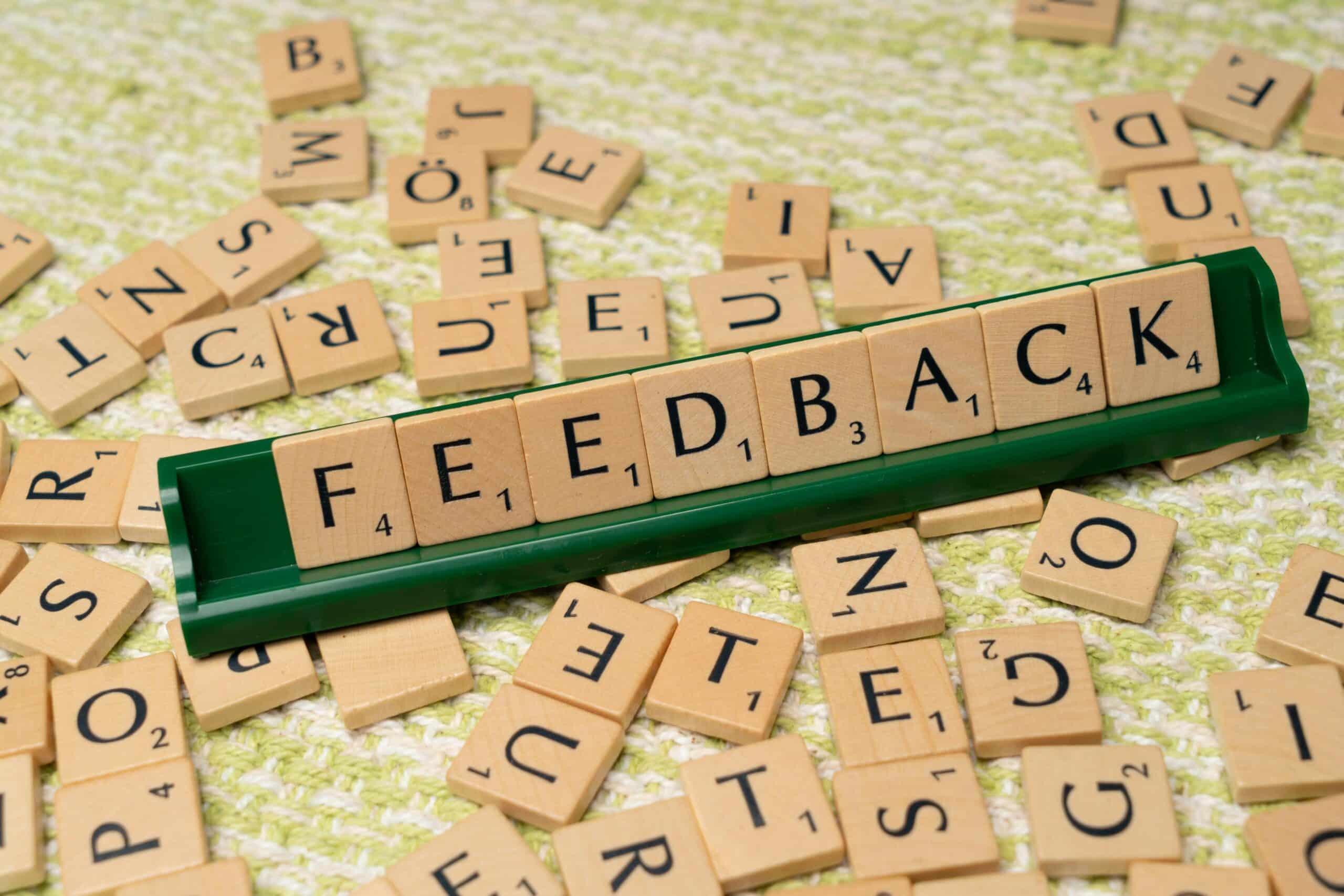
Building lasting success starts with understanding how habits shape your daily life and leveraging reward systems to reinforce positive behaviors that drive meaningful progress.
Every successful person you admire has mastered one fundamental truth: habits aren’t just actions you repeat—they’re the invisible architecture of your entire life. From the moment you wake up to the decisions you make at work, habits govern approximately 40% of your daily behaviors. The difference between those who achieve their goals and those who struggle often comes down to one critical factor: the intentional use of reward systems and positive reinforcement strategies.
The science behind habit formation reveals a fascinating neurological process that you can harness for personal transformation. When you understand how your brain responds to rewards and reinforcement, you gain the power to redesign your behavioral patterns systematically. This isn’t about willpower or motivation—it’s about creating an environment where success becomes inevitable through strategic habit design.
🧠 The Neuroscience Behind Habits and Rewards
Your brain operates on a fundamental principle: it constantly seeks efficiency. When you perform an action repeatedly, your brain creates neural pathways that make that behavior increasingly automatic. This process, called neuroplasticity, means your brain physically changes structure based on your repeated actions.
The basal ganglia, a small region deep within your brain, stores these habitual behaviors. Meanwhile, your prefrontal cortex—responsible for decision-making and conscious thought—can essentially take a break once a habit becomes established. This is why you can drive home from work without consciously thinking about every turn, or why you automatically reach for your phone first thing in the morning.
The reward system activates through dopamine release, a neurotransmitter that creates feelings of pleasure and satisfaction. This chemical response doesn’t just occur when you receive a reward—it actually begins in anticipation of the reward. This anticipatory dopamine is what creates cravings and drives habit formation.
The Habit Loop: Your Brain’s Operating System
Charles Duhigg’s research identified the habit loop consisting of three components: the cue (trigger), the routine (behavior), and the reward (benefit). Understanding this loop gives you the blueprint for creating new habits or modifying existing ones.
The cue triggers your brain to initiate a behavior. It might be a time of day, an emotional state, the presence of certain people, a preceding action, or a specific location. Your brain learns to recognize these cues and automatically initiates the associated routine.
The routine is the behavior itself—what you actually do in response to the cue. This can be physical, mental, or emotional. The reward is what your brain gains from completing the routine, reinforcing the entire loop and making it more likely to repeat in the future.
💡 Designing Effective Reward Systems for Lasting Change
Not all rewards are created equal. The most effective reward systems balance immediate gratification with long-term benefits, creating a sustainable motivation structure that doesn’t rely on external validation alone.
Intrinsic rewards—those that come from internal satisfaction—prove more sustainable than extrinsic rewards like money or recognition. When you feel proud of yourself, experience joy from the activity itself, or gain a sense of accomplishment, these internal rewards create deeper neural connections and more lasting habit formations.
However, extrinsic rewards play a valuable role, especially when establishing new habits. They provide the initial motivation needed to overcome inertia and begin the behavior pattern. The key is transitioning from extrinsic to intrinsic motivation as the habit becomes established.
Creating Your Personal Reward Menu
Develop a personalized collection of rewards that genuinely motivate you. These should vary in size and type, matching the difficulty and importance of the habit you’re building. Small daily habits deserve immediate, modest rewards, while significant milestones warrant more substantial celebration.
Consider these reward categories when building your menu:
- Sensory rewards: A favorite beverage, listening to a beloved song, or enjoying pleasant scents
- Social rewards: Sharing accomplishments with supportive friends, joining a community of like-minded individuals
- Progress rewards: Tracking streaks, checking off completed tasks, visualizing advancement
- Freedom rewards: Guilt-free leisure time, permission to engage in enjoyable activities
- Investment rewards: Putting money toward a meaningful goal or desired purchase
🎯 Positive Reinforcement Strategies That Actually Work
Positive reinforcement means adding something desirable after a behavior to increase the likelihood of that behavior recurring. This approach proves far more effective than punishment or negative reinforcement for sustainable habit change.
The timing of reinforcement matters enormously. Immediate reinforcement creates stronger associations than delayed rewards. This is why many people struggle with habits like exercise or healthy eating—the rewards are delayed, while competing behaviors offer immediate gratification.
To overcome this challenge, you must engineer immediate rewards for behaviors with delayed natural benefits. After completing a workout, you might immediately enjoy a relaxing shower, listen to your favorite podcast, or mark your progress on a visible calendar. These immediate rewards bridge the gap until the long-term benefits become apparent.
The Power of Variable Reinforcement Schedules
Psychology research reveals that variable reinforcement schedules—where rewards come unpredictably rather than after every occurrence—create the strongest behavioral patterns. This is the principle behind slot machines and social media addiction.
You can harness this powerful mechanism ethically for positive habit formation. Rather than rewarding yourself identically every time, occasionally surprise yourself with unexpected bonuses. Completed your workout routine every day this week? Maybe Friday’s session earns an extra special reward you didn’t plan for.
This unpredictability keeps your brain engaged and prevents the reward from losing its impact through habituation. Your dopamine system remains sensitive to the possibility of reward, maintaining motivation over extended periods.
📊 Tracking Progress: The Ultimate Self-Reinforcement Tool
Visible progress serves as one of the most powerful rewards available. When you see tangible evidence of your advancement, your brain releases dopamine and reinforces your commitment to continue.
Habit tracking transforms abstract behaviors into concrete data. Whether you use a simple paper calendar, a sophisticated app, or a bullet journal, the act of recording your consistency creates multiple benefits. It provides immediate feedback, reveals patterns, creates accountability, and offers the satisfying reward of marking completion.
Digital tools like Habitica gamify habit formation, turning your real-life tasks into a role-playing game where completing habits helps your character level up and earn rewards. This approach combines progress tracking with variable reinforcement and immediate gratification in a psychologically sophisticated package.
Creating Visual Progress Indicators
Visual representations of progress tap into your brain’s pattern-recognition capabilities. A chain of checkmarks, a graph trending upward, or a jar filling with marbles—these visual cues provide continuous positive reinforcement.
The “don’t break the chain” method, popularized by comedian Jerry Seinfeld, demonstrates this principle beautifully. Mark an X on your calendar for each day you complete your habit. As the chain grows longer, you become increasingly motivated to maintain your streak. The visual representation itself becomes a powerful reward.
🔄 Habit Stacking: Multiplying Your Success
Habit stacking, a concept developed by S.J. Scott and expanded by James Clear, involves attaching new habits to existing ones. This strategy leverages your brain’s existing neural pathways to establish new behaviors with less resistance.
The formula is simple: “After I [CURRENT HABIT], I will [NEW HABIT].” For example: “After I pour my morning coffee, I will write three things I’m grateful for,” or “After I close my laptop at the end of the workday, I will do ten push-ups.”
This approach provides built-in cues for your new habits and creates natural transition points throughout your day. The existing habit serves as both trigger and initial reward—you get to do the established behavior you enjoy, then add the new behavior afterward.
🛡️ Overcoming Common Obstacles in Habit Formation
Even with well-designed reward systems, you’ll encounter challenges. Understanding common obstacles and having strategies to overcome them separates successful habit builders from those who give up.
The “what-the-hell effect” occurs when you miss one day and use that as justification to abandon the habit entirely. Combat this by planning for imperfection. Decide in advance that missing once means you absolutely will resume the next day. Never miss twice in a row—this simple rule prevents complete derailment.
Motivation fluctuates naturally. You won’t feel enthusiastic every day, and that’s perfectly normal. This is precisely why habits matter—they persist even when motivation fades. Your reward system should account for low-motivation days by making the behavior as easy as possible and ensuring rewards are particularly appealing during these times.
The Role of Environment in Habit Success
Your environment exerts tremendous influence over your behaviors. Designing your surroundings to support desired habits while removing cues for unwanted behaviors dramatically increases your success rate.
Implementation intentions—specific plans about when and where you’ll perform a behavior—increase follow-through rates significantly. Instead of vague goals like “I’ll exercise more,” create precise intentions: “I will do yoga in my bedroom at 7:00 AM on Monday, Wednesday, and Friday.”
Make desired behaviors obvious and easy while making unwanted behaviors invisible and difficult. Want to read more? Place books everywhere you might sit. Want to reduce phone usage? Keep your phone in another room while working. These environmental modifications reduce the decision-making burden and automate better choices.
🌱 Scaling Success: From Individual Habits to Life Systems
Individual habits are powerful, but true transformation occurs when you develop interconnected habit systems that support your larger life goals. Each habit becomes a building block in a comprehensive architecture of success.
Identify keystone habits—behaviors that naturally trigger cascades of positive changes. Exercise often serves as a keystone habit, leading to better eating, improved sleep, increased productivity, and enhanced mood. When you establish a keystone habit, you receive multiplicative returns on your effort.
Your identity evolves through accumulated habits. Every time you complete a habit, you cast a vote for the type of person you’re becoming. These votes accumulate, gradually shifting your self-perception and making aligned behaviors increasingly natural.
Measuring What Matters: Beyond Streaks and Numbers
While tracking consistency provides valuable feedback, don’t lose sight of why you’re building these habits. Periodically assess whether your habits still serve your evolving goals and values.
Consider both leading indicators (behaviors you control) and lagging indicators (outcomes you’re trying to achieve). You control whether you exercise daily or write for thirty minutes; you don’t directly control weight loss or whether you finish a novel. Focus your attention and rewards on leading indicators while monitoring lagging indicators for overall direction.
🎭 Personalizing Your Approach: The Four Tendencies Framework
Gretchen Rubin’s Four Tendencies framework reveals that people respond differently to expectations. Understanding your tendency helps you design reward and reinforcement systems that align with your natural patterns.
Upholders respond to both external and internal expectations, making habit formation relatively straightforward. Questioners need to understand why a habit matters before committing. Obligers meet external expectations but struggle with self-imposed ones—they benefit from external accountability. Rebels resist all expectations and need freedom and choice.
Tailor your reward system to your tendency. Obligers might join accountability groups or hire coaches. Questioners should research the science behind their habits. Rebels need to frame habits as choices that express their identity rather than obligations.
🚀 Advanced Techniques for Habit Mastery
Once you’ve established basic habits, advanced techniques can accelerate your progress and deepen your mastery. Temptation bundling links behaviors you need to do with activities you want to do, creating immediate rewards for otherwise unrewarding tasks.
For example, only watch your favorite show while exercising, or only go to your favorite coffee shop when working on your most important project. This strategy transforms necessary behaviors into anticipated rewards by pairing them with genuine pleasures.
Habit contracts formalize your commitment by specifying consequences for both success and failure. Having an accountability partner who witnesses your contract adds social pressure—a powerful motivator for most people. The contract should include specific actions, measurement criteria, and predetermined rewards or consequences.
The Plateau Phenomenon and Continuous Improvement
Progress rarely follows a linear path. You’ll experience plateaus where visible improvement stalls despite continued effort. Understanding this prevents discouragement and abandonment during these critical periods.
Plateaus often precede breakthroughs. Your brain consolidates learning during these periods, preparing for the next leap forward. Maintain your habits during plateaus, adjust your reward system to prevent boredom, and trust the process. Small, consistent improvements compound into remarkable results over time.
💪 Building Resilience Through Habit Systems
Life inevitably presents disruptions—travel, illness, major life changes. Resilient habit systems include flexibility mechanisms that allow temporary adjustments without complete abandonment.
Develop minimum viable versions of your habits for challenging days. Can’t do a full workout? Do ten push-ups. Can’t meditate for twenty minutes? Take three conscious breaths. These minimal versions maintain the habit loop while accommodating reality, preventing the all-or-nothing thinking that derails progress.
Recovery protocols matter as much as the habits themselves. When disruptions occur, have a specific plan for resuming your habits. This might include a restart ritual, reduced expectations for the first few days back, or extra rewards for successful returns to routine.

🎯 Your Personalized Action Plan for Habit Success
Theory means nothing without application. Begin by selecting one habit to establish using the principles discussed. Choose something meaningful but achievable—ambitious enough to matter, small enough to succeed.
Identify your cue, define your routine with crystal clarity, and engineer your reward. Make the behavior obvious, attractive, easy, and satisfying. Track your progress visually, and prepare for obstacles in advance.
After establishing your first habit successfully (typically requiring 2-3 months), add another. Build gradually, creating a foundation of automatic behaviors that support your larger vision. Remember that habits are tools for becoming the person you want to be—they’re means to an end, not the end itself.
The power of habits combined with strategic reward systems and positive reinforcement creates unstoppable momentum toward your goals. You’re not building habits—you’re building yourself, one behavior at a time. Start small, stay consistent, celebrate progress, and watch as your daily actions transform into the life you’ve imagined. The person you’re becoming through these accumulated choices is your greatest reward of all.

Toni Santos is a visual storyteller and sartorial artisan whose work revives the forgotten threads of historical fashion. With a deep fascination for garments lost to time, Toni weaves together art, memory, and material culture to illuminate the styles, symbols, and silent codes once stitched into humanity’s past.
His creative journey is rooted in a passion for clothing as narrative — from ceremonial robes of vanished empires to the subtle embroidery of medieval outcasts, from whispered meanings in Victorian accessories to the ritual adornments of ancient rites. Each piece Toni brings to life is more than aesthetic; it’s an echo of identity, power, belief, and transformation across centuries.
With a background in visual design and handcrafted techniques, Toni blends historical research with creative interpretation. His work reimagines the overlooked: the feathered cloaks, perfumed gloves, symbolic fastenings, and forbidden textiles that once defined entire cultures — now reborn as visual artifacts that speak across time.
As the visionary behind Vizovex, Toni shares stories, artworks, and curated collections that reconnect audiences with the deeper meaning of what we wear — and what clothing reveals when it is finally seen not just as fashion, but as forgotten language.
His work is a tribute to:
The poetry of garments lost in history’s folds
The cultural codes woven into ancient textiles
The beauty of attire as identity, memory, and myth
Whether you’re a fashion historian, a designer seeking timeless inspiration, or simply drawn to the mystery of what people once wore and why, Toni invites you to explore a world where forgotten fashions are revived — one stitch, one silhouette, one story at a time.