Finding harmony between structure and spontaneity transforms how we experience daily life, unlocking potential we never knew existed while maintaining the freedom to adapt.
In today’s fast-paced world, we’re constantly bombarded with advice pulling us in opposite directions. Some experts preach the gospel of rigid routines and unwavering discipline, while others advocate for complete flexibility and going with the flow. The truth? Neither extreme works in isolation. The secret to a truly productive and fulfilling life lies in mastering the delicate dance between flexibility and discipline—a balance that allows us to achieve our goals while maintaining the adaptability necessary to navigate life’s inevitable curveballs.
This article explores how you can harness both qualities to create a lifestyle that’s simultaneously structured and spontaneous, ambitious and sustainable, driven and joyful. Whether you’re struggling with procrastination, feeling burned out from over-scheduling, or simply seeking more from your daily experience, understanding this balance will revolutionize your approach to productivity and personal satisfaction.
🎯 Understanding the Two Pillars of Success
Before we can balance flexibility and discipline, we need to understand what each truly means in the context of a productive life. These aren’t opposing forces—they’re complementary tools that, when used together, create something far more powerful than either could achieve alone.
The Power of Discipline: Your Foundation for Achievement
Discipline is the backbone of any meaningful accomplishment. It’s what gets you out of bed when motivation fails, keeps you working when distractions call, and pushes you through the uncomfortable growth phases that separate dreamers from achievers. Without discipline, our goals remain pleasant fantasies rather than concrete realities.
However, discipline isn’t about punishing yourself or maintaining an impossibly rigid schedule. True discipline means:
- Commitment to your core values and long-term vision
- Consistency in daily habits that support your goals
- The ability to delay gratification for greater rewards
- Following through on commitments to yourself and others
- Maintaining standards even when no one is watching
The Necessity of Flexibility: Your Adaptation Mechanism
Flexibility is equally critical, especially in our unpredictable modern environment. Life doesn’t follow our carefully crafted schedules. Opportunities arise unexpectedly, obstacles appear without warning, and circumstances change overnight. Flexibility allows us to adapt without abandoning our goals entirely.
Strategic flexibility includes:
- Adjusting methods while maintaining your ultimate objectives
- Recognizing when a plan isn’t working and pivoting accordingly
- Being open to unexpected opportunities that align with your values
- Responding to physical, mental, and emotional needs as they arise
- Allowing space for creativity and spontaneous inspiration
⚖️ Why Balance Matters More Than Ever
The modern productivity landscape has created two distinct camps of failure. On one side, we see people paralyzed by over-planning, creating elaborate systems that collapse under their own weight. On the other, we find those drifting aimlessly, chasing fleeting motivations without building lasting foundations.
Research consistently shows that the most successful individuals—whether in business, arts, athletics, or personal development—share a common trait: they’ve developed what psychologists call “structured flexibility.” They maintain non-negotiable core practices while remaining adaptable in execution and approach.
This balanced approach prevents burnout by allowing recovery and adjustment periods. It also prevents the stagnation that comes from excessive rigidity, keeping you responsive to growth opportunities and changing circumstances. Most importantly, it makes the journey sustainable and even enjoyable, rather than a constant battle against yourself.
🌟 Identifying Your Personal Balance Point
Your ideal balance between flexibility and discipline is uniquely yours. It depends on your personality, current life circumstances, goals, and even your neurological makeup. Understanding where you naturally fall on this spectrum helps you make targeted adjustments.
Are You Naturally More Disciplined or Flexible?
Take an honest inventory of your tendencies. Do you thrive on routine and feel anxious when plans change? You likely lean toward discipline. Do you feel suffocated by schedules and energized by variety? You’re probably more flexibility-oriented. Neither is better—both have strengths and blind spots.
Those who naturally gravitate toward discipline often excel at:
- Completing long-term projects requiring sustained effort
- Maintaining healthy habits consistently
- Meeting deadlines and honoring commitments
- Building expertise through deliberate practice
But may struggle with adapting to change, recovering from setbacks, or allowing themselves necessary rest and spontaneity.
Flexibility-oriented individuals typically shine when:
- Navigating uncertain or rapidly changing situations
- Generating creative solutions to novel problems
- Building diverse experiences and connections
- Maintaining enthusiasm and avoiding burnout
Yet they may find it challenging to maintain momentum on long-term goals, follow through consistently, or develop deep expertise in specific areas.
💡 Practical Strategies for Building Your Balance
Once you understand your natural tendencies, you can intentionally cultivate the complementary qualities. The goal isn’t to become perfectly balanced—that’s both impossible and unnecessary. Instead, aim to expand your range, giving yourself access to both flexibility and discipline as situations require.
Creating Your Non-Negotiable Foundation
Start by identifying 3-5 core practices that genuinely move you toward your most important goals. These become your discipline anchors—the things you commit to regardless of circumstances. They might include a morning routine, specific work hours, exercise sessions, or relationship time.
The key is selecting practices that are:
- Directly connected to your values and goals
- Sustainable even during challenging periods
- Specific enough to be measurable
- Limited in number so they don’t overwhelm your schedule
For example, instead of “exercise more,” commit to “20 minutes of movement every morning before 9 AM.” This specificity removes decision fatigue while the time limit keeps it manageable.
Building Flexibility Into Your Structure
Once your foundation is established, deliberately create space for flexibility. This might seem contradictory, but scheduling flexibility is one of the most powerful productivity techniques available. Here’s how to implement it:
Block “buffer time” in your calendar between commitments. These gaps absorb the inevitable overruns, provide recovery periods, and create space for unexpected opportunities without derailing your entire day.
Designate “flex days” or “open blocks” weekly where you don’t pre-plan activities. Use this time based on current needs, energy levels, or emerging priorities. This scheduled spontaneity satisfies the need for variety while preventing it from disrupting your core commitments.
Create decision rules that guide when to bend your routines. For instance: “I’ll skip my morning workout only for family emergencies or unique professional opportunities that align with my career goals.” This prevents both excessive rigidity and using every minor obstacle as an excuse.
📊 The 80/20 Approach to Balanced Productivity
The Pareto Principle offers powerful insights for balancing discipline and flexibility. Applied to this context, it suggests that roughly 80% of your meaningful results come from 20% of your activities. Your discipline should focus relentlessly on that critical 20%, while allowing flexibility in the remaining 80%.
This approach looks like:
| Area | Disciplined Approach (20%) | Flexible Approach (80%) |
|---|---|---|
| Work | Core productive hours, key projects | Meeting times, communication methods, minor tasks |
| Health | Sleep schedule, primary exercise routine | Workout types, meal timing, specific foods |
| Relationships | Weekly quality time with key people | Activities during that time, communication frequency |
| Personal Growth | Daily learning habit (reading, courses) | Topics explored, formats used |
This framework ensures you’re disciplined where it truly matters while avoiding the exhaustion that comes from trying to control everything.
🔄 Adapting Your Balance Across Life Seasons
Your optimal balance isn’t static—it shifts with life circumstances. A new parent needs different flexibility than a graduate student. Someone recovering from illness requires a different approach than someone training for a competition. Recognizing and honoring these seasons prevents frustration and supports sustainable progress.
High-Demand Seasons: Leaning Into Discipline
During periods requiring intense focus—launching a business, completing a degree, preparing for a major event—temporarily increasing your discipline makes sense. Tighten your routines, minimize variables, and create systems that reduce decision fatigue. Just remember this is a sprint, not a marathon.
Recovery and Exploration Seasons: Embracing Flexibility
After intense periods, following major life changes, or when feeling burned out, consciously shift toward flexibility. Maintain your absolute core practices, but loosen everything else. Allow yourself to explore, experiment, and recover without guilt.
The wisdom lies in recognizing which season you’re in and adjusting accordingly, rather than rigidly applying the same approach regardless of circumstances.
🧠 The Psychology Behind Sustainable Balance
Understanding the psychological mechanisms at play helps you work with your brain rather than against it. Both discipline and flexibility tap into different neurological systems, and effective balance leverages both.
Building Discipline Through Habit Formation
Discipline becomes easier when actions move from conscious effort to automatic habit. This happens through consistent repetition in stable contexts. Your morning routine becomes disciplined not through willpower but through neurological pathways that fire automatically when you wake up.
Support habit formation by making desired behaviors obvious, attractive, easy, and satisfying—the four laws of behavior change identified by James Clear in “Atomic Habits.” Each successful repetition strengthens the neural pathway, making future discipline require less energy.
Maintaining Flexibility Through Growth Mindset
Flexibility requires viewing circumstances, setbacks, and changes as information rather than threats. This growth mindset, researched extensively by Carol Dweck, allows you to adapt without feeling like you’ve failed when plans change.
Cultivate this mindset by reframing disruptions: instead of “My schedule is ruined,” try “This is giving me information about what works and what needs adjustment.” This simple cognitive shift reduces stress and maintains forward momentum even when circumstances change.
🛠️ Tools and Systems That Support Balance
The right tools can significantly ease the challenge of maintaining balance. Rather than adding complexity, effective systems should simplify decision-making and reduce the mental load of managing both structure and spontaneity.
Time Management Approaches
Consider time-blocking for your disciplined core activities while using a more fluid task list for flexible items. Your calendar shows your non-negotiables; your task manager holds possibilities you can choose based on current context and energy.
Digital tools like Todoist, Notion, or Trello can help organize both structured commitments and flexible options. The key is choosing systems simple enough that maintaining them doesn’t become another burden.
Tracking Without Obsessing
Some tracking supports your balance by providing feedback on what’s working. Track your core disciplined practices to ensure consistency, but avoid tracking everything—that way lies burnout. Allow your flexible activities to remain unmeasured, preserving their spontaneous, restorative quality.
Weekly reviews create the perfect rhythm for assessment. Look at what you maintained (discipline) and how you adapted (flexibility), celebrating both. This regular reflection helps you course-correct before small deviations become major problems.
🌈 The Fulfillment Factor: Beyond Productivity
While we’ve focused heavily on productivity, true life fulfillment requires balancing achievement with enjoyment, structure with spontaneity, and discipline with play. The ultimate goal isn’t just doing more—it’s living better.
Research on happiness and life satisfaction consistently shows that people need both: the sense of progress and accomplishment that discipline provides, and the novelty, rest, and connection that flexibility enables. Neither alone creates fulfillment.
Build this into your balance by ensuring your disciplined practices include not just work and achievement, but also relationships, self-care, and activities that bring joy. Similarly, use your flexible time not just for productivity overflow, but for genuine rest, exploration, and spontaneous connection.
🚀 Implementing Your Personalized Balance System
Understanding balance conceptually differs vastly from implementing it practically. Here’s a step-by-step approach to begin your journey:
First, spend one week simply observing without changing anything. Notice when you feel most productive, when flexibility serves you, and when lack of structure creates problems. This awareness forms the foundation for effective change.
Second, identify your 3-5 non-negotiable practices—the disciplines that will anchor your days regardless of circumstances. Start with these alone, establishing them firmly before adding complexity.
Third, create explicit permission for flexibility in specific areas. Write down where you’ll allow spontaneity, adaptation, and variation. This prevents flexibility from feeling like failure to maintain discipline.
Fourth, establish your review rhythm. Weekly assessments allow you to adjust your balance based on real feedback rather than assumptions. Monthly reviews let you spot larger patterns and seasonal shifts.
Finally, extend yourself grace during the learning process. Finding your balance takes experimentation. Some weeks you’ll be too rigid; others too loose. Each provides valuable information guiding you toward your sustainable sweet spot.
🎭 Living the Balanced Life: Real-World Application
The art of balance reveals itself most clearly in daily application. Consider how this might look across a typical week. Your mornings follow a disciplined routine—wake time, movement, nourishing breakfast, focused work blocks. This consistency creates energy and momentum. But your evenings remain flexible—sometimes social connection, sometimes solitary hobbies, sometimes extra rest as your body needs.
Your weekend includes one disciplined element—perhaps a Sunday planning session or Saturday morning workout—but otherwise embraces spontaneity. This rhythm provides both the structure that drives progress and the flexibility that enables joy, recovery, and unexpected opportunities.
In relationships, you maintain disciplined commitment to quality time with key people while remaining flexible about activities and schedules. At work, you protect your most productive hours fiercely while adapting meeting times, collaboration approaches, and project methods as circumstances demand.
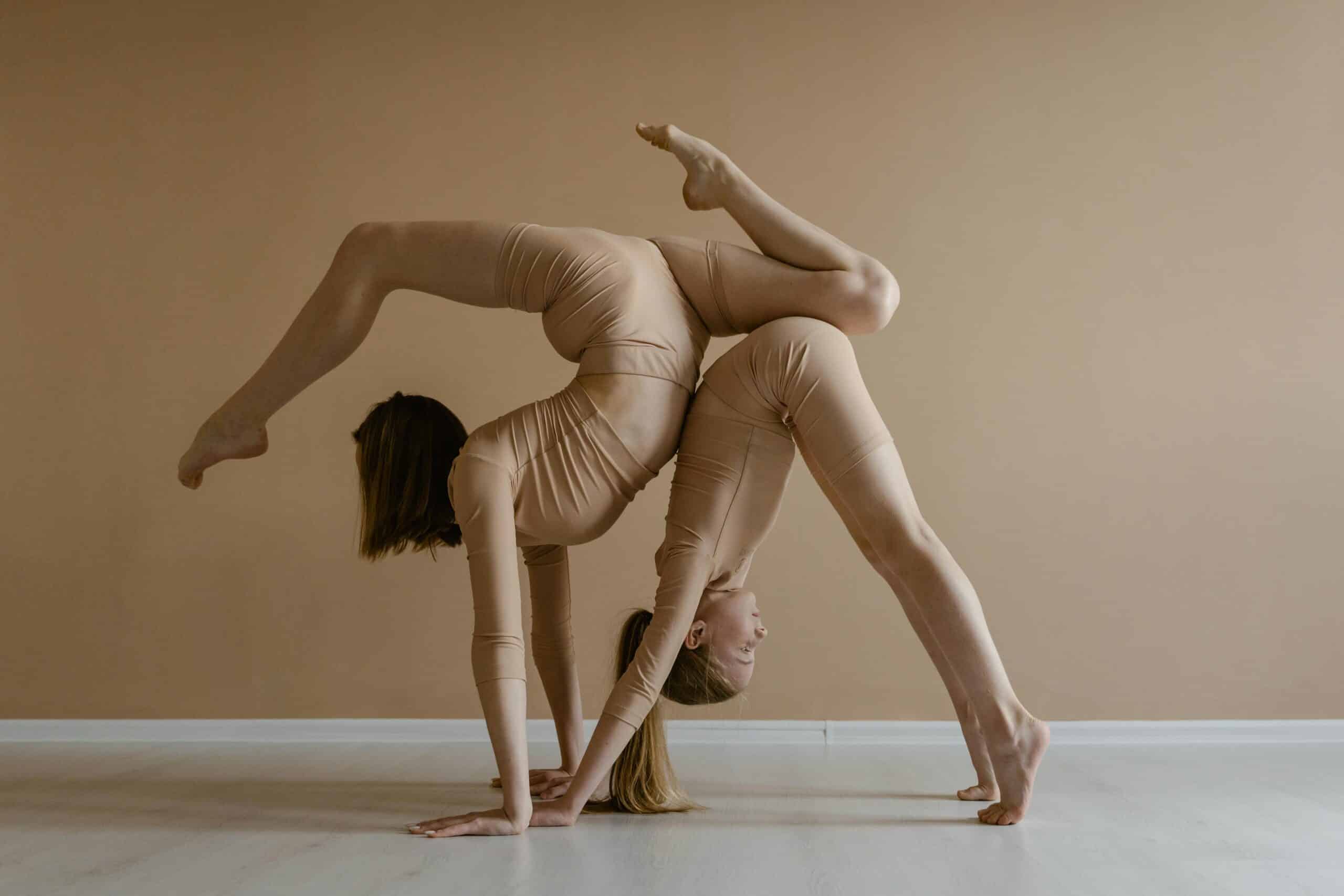
This isn’t perfection—it’s a dynamic, responsive approach that honors both your goals and your humanity. Some days lean more structured; others more spontaneous. The balance exists across time, not within every single moment.
Mastering the art of balance between flexibility and discipline transforms not just your productivity but your entire life experience. You’ll accomplish more while enjoying the journey more. You’ll build toward meaningful goals while remaining present to current moments. You’ll develop the resilience to weather storms and the wisdom to dance in the sunshine when it appears.
This balance is your personal equilibrium point—uniquely yours, constantly evolving, infinitely valuable. Start where you are, implement one practice at a time, and trust the process. The balanced, productive, fulfilling life you’re seeking isn’t found by choosing discipline or flexibility—it emerges when you master the art of dancing between both. 🎯

Toni Santos is a visual storyteller and sartorial artisan whose work revives the forgotten threads of historical fashion. With a deep fascination for garments lost to time, Toni weaves together art, memory, and material culture to illuminate the styles, symbols, and silent codes once stitched into humanity’s past.
His creative journey is rooted in a passion for clothing as narrative — from ceremonial robes of vanished empires to the subtle embroidery of medieval outcasts, from whispered meanings in Victorian accessories to the ritual adornments of ancient rites. Each piece Toni brings to life is more than aesthetic; it’s an echo of identity, power, belief, and transformation across centuries.
With a background in visual design and handcrafted techniques, Toni blends historical research with creative interpretation. His work reimagines the overlooked: the feathered cloaks, perfumed gloves, symbolic fastenings, and forbidden textiles that once defined entire cultures — now reborn as visual artifacts that speak across time.
As the visionary behind Vizovex, Toni shares stories, artworks, and curated collections that reconnect audiences with the deeper meaning of what we wear — and what clothing reveals when it is finally seen not just as fashion, but as forgotten language.
His work is a tribute to:
The poetry of garments lost in history’s folds
The cultural codes woven into ancient textiles
The beauty of attire as identity, memory, and myth
Whether you’re a fashion historian, a designer seeking timeless inspiration, or simply drawn to the mystery of what people once wore and why, Toni invites you to explore a world where forgotten fashions are revived — one stitch, one silhouette, one story at a time.