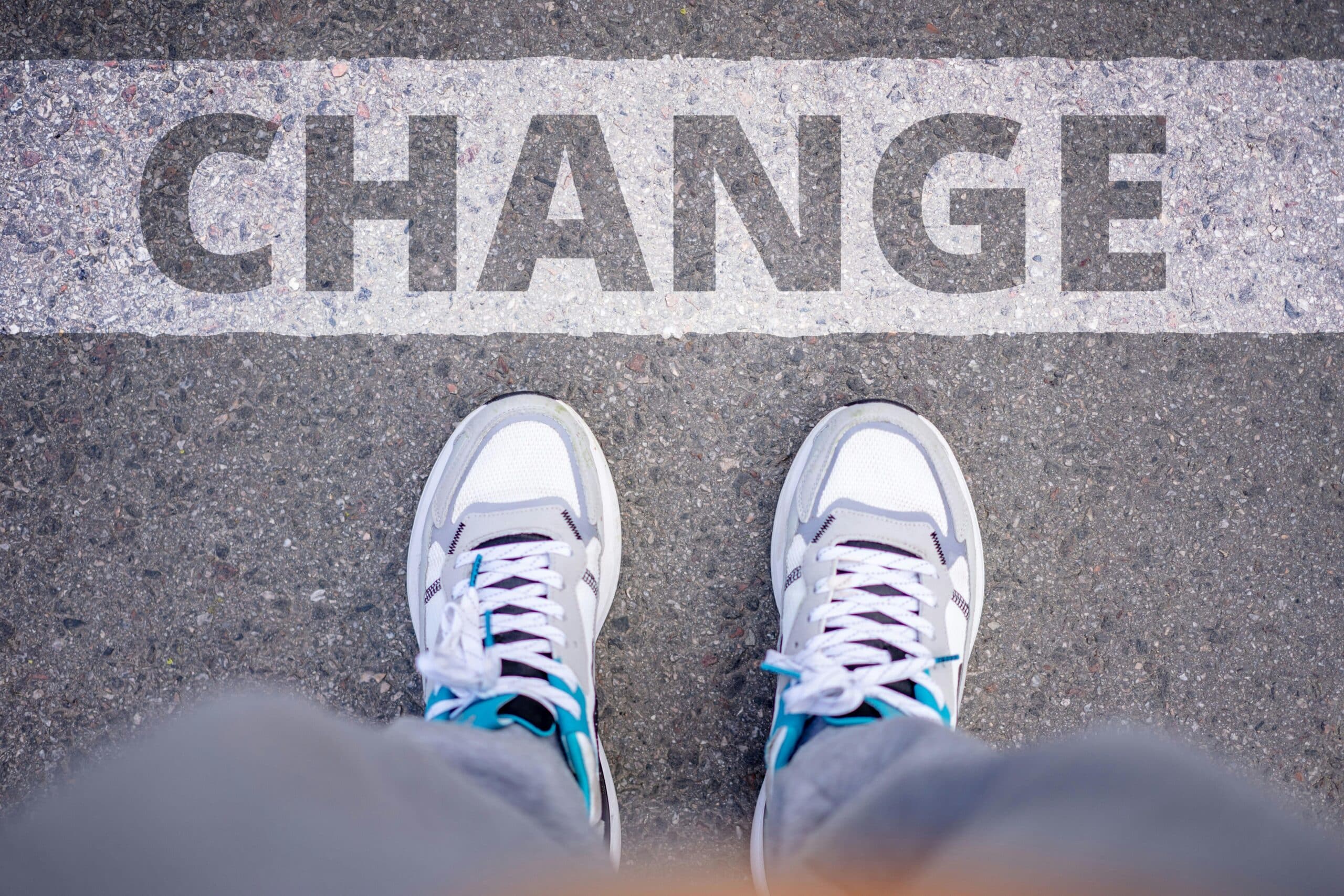
Change is the only constant in life, yet mastering it remains one of our greatest challenges. Whether we embrace it or resist it, transitions shape who we become.
Every day presents opportunities for transformation, from small adjustments in our morning routines to major life upheavals like career changes, relocations, or relationship shifts. The ability to navigate these transitions successfully while building sustainable habits determines not just our survival, but our capacity to thrive in an ever-evolving world.
Understanding how to harness change rather than fear it creates a foundation for personal growth that extends beyond temporary motivation. When we develop the skills to adapt our behaviors and reshape our patterns, we unlock potential we never knew existed. This journey isn’t about perfection—it’s about progress, resilience, and the courage to become the architects of our own evolution.
🌱 Understanding the Psychology Behind Habit Formation
Before we can transform our habits, we need to understand how they form in the first place. Our brains are incredibly efficient organs that constantly seek to conserve energy by automating repetitive behaviors. This neurological efficiency is what creates habits—both beneficial and detrimental.
The habit loop consists of three essential components: the cue, the routine, and the reward. A cue triggers your brain to initiate a behavior, the routine is the behavior itself, and the reward is what your brain receives for completing the action. Over time, this loop becomes increasingly automatic, requiring less conscious effort to execute.
Research from the European Journal of Social Psychology suggests that forming a new habit takes an average of 66 days, though this varies significantly depending on the complexity of the behavior and individual circumstances. Understanding this timeline helps set realistic expectations and prevents premature discouragement when immediate results don’t materialize.
The Neuroscience of Change
When we repeatedly perform an action, our brain creates neural pathways that make the behavior easier to execute over time. Think of it like walking through a forest—the first time is difficult, but with repeated trips, a clear path emerges. This neuroplasticity is both our greatest asset and our biggest challenge when attempting to change established patterns.
Breaking old habits requires not just willpower but strategic disruption of these neural pathways while simultaneously building new ones. This is why changing environments, altering routines, and creating new associations prove so effective in behavioral transformation.
🔄 Navigating Life’s Major Transitions with Grace
Life transitions come in countless forms—graduation, marriage, parenthood, career changes, divorce, retirement, or loss. Each transition carries its own emotional weight and requires different adaptation strategies. What remains consistent is the need for intentional navigation rather than passive reaction.
Major transitions often trigger what psychologists call “liminal space”—that uncomfortable period between what was and what will be. This space, while unsettling, offers unique opportunities for reinvention. During these periods, old identity markers fade, creating openings for new patterns to emerge with less resistance than usual.
The Transition Curve: What to Expect
Understanding the emotional trajectory of change helps normalize the experience. Most transitions follow a predictable pattern that includes initial shock or excitement, followed by resistance, gradual acceptance, and eventually integration. Recognizing which phase you’re in provides valuable context for your emotional responses.
During the resistance phase, it’s common to experience grief for what’s being left behind, even when the change is ultimately positive. Acknowledging this grief rather than suppressing it accelerates the healing process and allows for authentic forward movement.
💪 Building Resilience Through Intentional Habit Design
Resilience isn’t an innate trait—it’s a skill developed through consistent practice and intentional habit formation. The habits we cultivate during stable periods become the foundation we rely on during turbulent times. This makes proactive habit design one of the most valuable investments in your future wellbeing.
Start by identifying keystone habits—behaviors that create positive ripple effects across multiple areas of your life. Exercise, for example, often improves sleep quality, energy levels, mood, and decision-making capacity. By focusing on one keystone habit, you inadvertently improve several life domains simultaneously.
The Power of Micro-Habits
When facing significant life transitions, grand ambitions often backfire. Instead, focus on micro-habits—behaviors so small they seem almost trivial. Want to start meditating? Begin with two minutes. Want to read more? Commit to one page daily. These tiny commitments bypass resistance and create momentum.
The beauty of micro-habits lies in their sustainability and scalability. Once a two-minute meditation becomes automatic, expanding to five or ten minutes requires far less willpower. You’ve already overcome the biggest obstacle—getting started.
🎯 Strategic Approaches to Habit Transformation
Effective habit change requires more than motivation—it demands strategy. The following approaches have been validated through both scientific research and countless success stories from individuals who’ve successfully transformed their lives.
Implementation Intentions
Rather than vague goals like “I’ll exercise more,” create specific implementation intentions: “I will walk for 20 minutes every Monday, Wednesday, and Friday at 7 AM before breakfast.” This specificity removes decision-making from the equation and dramatically increases follow-through rates.
Research by psychologist Peter Gollwitzer demonstrates that implementation intentions can double or triple success rates for behavior change. The formula is simple: “When situation X arises, I will perform response Y.” This if-then planning creates automated responses to predictable situations.
Environment Design
Your environment shapes your behavior far more than willpower ever could. If you want to eat healthier, rearrange your kitchen so nutritious foods are visible and accessible while processed foods require more effort to reach. If you want to read more, place books in high-traffic areas and put your phone in a drawer.
James Clear, author of Atomic Habits, emphasizes making desired behaviors obvious, attractive, easy, and satisfying while making unwanted behaviors invisible, unattractive, difficult, and unsatisfying. This environmental engineering reduces reliance on willpower, which is a limited resource.
Habit Stacking
Leverage existing habits as triggers for new ones through habit stacking. After you pour your morning coffee (existing habit), you’ll write three things you’re grateful for (new habit). After you brush your teeth at night (existing habit), you’ll lay out tomorrow’s workout clothes (new habit).
This strategy capitalizes on established neural pathways, making new behaviors easier to remember and execute. The existing habit serves as both reminder and momentum for the new behavior.
🧘 Emotional Intelligence During Transitional Periods
Navigating change successfully requires not just behavioral strategies but emotional intelligence. The ability to recognize, understand, and manage your emotions—and those of others—becomes crucial when established routines crumble and uncertainty prevails.
During transitions, expect emotional volatility. What worked yesterday may not work today. The key is developing what psychologists call “emotional agility”—the capacity to be with your emotions without being controlled by them. This means acknowledging anxiety without letting it paralyze you, recognizing sadness without dwelling in it indefinitely.
Self-Compassion as a Change Tool
Research by Kristin Neff demonstrates that self-compassion—treating yourself with the same kindness you’d offer a good friend—is more effective for sustainable change than self-criticism. When you inevitably stumble (and you will), self-compassion allows you to learn from mistakes without the paralysis of shame.
Practice speaking to yourself with kindness: “This is hard, and it’s okay that I’m struggling. Everyone faces challenges when changing patterns. What can I learn from this experience?” This approach maintains motivation while building resilience.
📊 Tracking Progress Without Becoming Obsessed
Measurement provides valuable feedback, but excessive tracking can create anxiety and undermine intrinsic motivation. The goal is finding the sweet spot where you have enough data to recognize patterns without turning life into a spreadsheet.
Consider these tracking approaches based on your personality and goals:
- Simple checkmarks: Mark a calendar each day you complete your target behavior
- Journaling: Write brief reflections on what’s working and what isn’t
- Photo documentation: Take weekly progress photos for visual feedback
- Metric tracking: For quantifiable goals, track specific numbers weekly rather than daily
- Feeling inventories: Rate how you feel on a 1-10 scale across different life domains
The most effective tracking method is the one you’ll actually maintain. Complexity often becomes a barrier, so start simple and add sophistication only if it enhances rather than burdens your process.
🌟 Leveraging Community and Accountability
Humans are social creatures, and this reality can either support or undermine your change efforts. Surrounding yourself with people who embody the habits you’re trying to build creates powerful social proof and makes desired behaviors feel normal rather than exceptional.
Accountability partnerships work when structured properly. Find someone with similar goals and establish regular check-ins—weekly calls, shared progress updates, or mutual encouragement messages. The key is making it reciprocal rather than one-sided, creating genuine investment in each other’s success.
Navigating Unsupportive Relationships
Not everyone will celebrate your transformation. Sometimes people feel threatened by changes that highlight their own stagnation. While you can’t control others’ reactions, you can control your boundaries and commitments to yourself.
Communicate clearly about your goals and needs. If certain relationships consistently undermine your progress, you may need to create temporary distance while new habits solidify. This isn’t selfish—it’s self-preservation and ultimately serves your capacity to show up more fully for others long-term.
⚡ Sustaining Momentum When Motivation Fades
Motivation is unreliable. It ebbs and flows with circumstances, moods, and energy levels. Sustainable change comes from systems that function regardless of how you feel. This is where discipline diverges from motivation—discipline is doing what needs doing even when you don’t want to.
Build systems that reduce decision fatigue. Lay out workout clothes the night before. Prep healthy meals in advance. Schedule non-negotiable time blocks for priorities. These systems create defaults that make following through easier than not following through.
The Two-Day Rule
Allow yourself to miss one day, but never two consecutive days. This rule, popularized by habit researchers, provides flexibility while preventing the complete derailment that often follows a single slip. Missing once is a hiccup; missing twice begins a new pattern.
Life happens—illness, emergencies, unexpected obligations. The two-day rule acknowledges reality while maintaining the thread of commitment that keeps habits alive during challenging periods.
🔮 Adapting Strategies as You Evolve
What works at one stage of life may not work at another. The habits that served you as a single person might need adjustment when you become a parent. Career advancement may require different routines than what supported you earlier. Successful navigation of life’s transitions includes regular reassessment and adaptation.
Schedule quarterly reviews where you honestly evaluate what’s working and what isn’t. Are your current habits still aligned with your goals? Have your priorities shifted? Is there friction that could be eliminated through small adjustments?
This iterative approach treats habit formation as an ongoing experiment rather than a fixed destination. You’re constantly gathering data, making adjustments, and refining your approach based on results and changing circumstances.
🎨 Creating Your Personal Transformation Blueprint
Generic advice only goes so far. The most powerful transformation occurs when you design systems specifically tailored to your personality, circumstances, and goals. Consider these questions as you craft your personal blueprint:
- What time of day is my energy and willpower highest?
- Do I respond better to structure or flexibility?
- What environmental changes would make desired behaviors easier?
- Which relationships support my growth and which hinder it?
- What’s my natural tendency when facing obstacles—persistence or avoidance?
- How do I best process emotions during difficult periods?
Your answers inform strategy selection. Morning people should schedule crucial habits early. Those who rebel against rigid structure need flexibility built into their systems. Understanding yourself isn’t narcissism—it’s strategic self-awareness.
🚀 Embracing the Journey of Continuous Growth
Mastering change isn’t about reaching a final destination where life becomes easy and static. It’s about developing the capacity to navigate whatever transitions arise with increasing skill and decreasing anxiety. Each challenge you face and overcome builds confidence and competence for future obstacles.
The habits you cultivate today create the foundation for tomorrow’s opportunities. Your ability to adapt determines not just survival but the quality of your lived experience. When you view change as an invitation to evolve rather than a threat to endure, everything shifts.
Start where you are. Use what you have. Do what you can. Small, consistent actions compound into remarkable transformations over time. The person you’re becoming through this process of intentional change is infinitely more valuable than any specific outcome you achieve.
Remember that thriving through transitions isn’t about never struggling—it’s about developing the tools, resilience, and self-compassion to move through struggles without being defined by them. You’re not broken when you find change difficult. You’re human. And with each intentional step forward, you’re becoming a more capable, resilient, authentic version of yourself.
The art of change mastery is exactly that—an art, not a science. It requires patience, practice, experimentation, and acceptance of imperfection. Your journey will look different from everyone else’s, and that’s not just okay—it’s essential. Honor your unique path while learning from others. Celebrate small wins while maintaining perspective on larger goals. And most importantly, extend yourself grace during the messy, uncertain, beautiful process of transformation.

Toni Santos is a visual storyteller and sartorial artisan whose work revives the forgotten threads of historical fashion. With a deep fascination for garments lost to time, Toni weaves together art, memory, and material culture to illuminate the styles, symbols, and silent codes once stitched into humanity’s past.
His creative journey is rooted in a passion for clothing as narrative — from ceremonial robes of vanished empires to the subtle embroidery of medieval outcasts, from whispered meanings in Victorian accessories to the ritual adornments of ancient rites. Each piece Toni brings to life is more than aesthetic; it’s an echo of identity, power, belief, and transformation across centuries.
With a background in visual design and handcrafted techniques, Toni blends historical research with creative interpretation. His work reimagines the overlooked: the feathered cloaks, perfumed gloves, symbolic fastenings, and forbidden textiles that once defined entire cultures — now reborn as visual artifacts that speak across time.
As the visionary behind Vizovex, Toni shares stories, artworks, and curated collections that reconnect audiences with the deeper meaning of what we wear — and what clothing reveals when it is finally seen not just as fashion, but as forgotten language.
His work is a tribute to:
The poetry of garments lost in history’s folds
The cultural codes woven into ancient textiles
The beauty of attire as identity, memory, and myth
Whether you’re a fashion historian, a designer seeking timeless inspiration, or simply drawn to the mystery of what people once wore and why, Toni invites you to explore a world where forgotten fashions are revived — one stitch, one silhouette, one story at a time.