Mental toughness isn’t something you’re born with—it’s a skill you develop through intentional practice, strategic mindset shifts, and consistent effort over time.
In a world that constantly tests our limits, the ability to bounce back from setbacks, maintain focus under pressure, and persist through adversity has become more valuable than ever. Whether you’re an athlete pushing for peak performance, an entrepreneur navigating business challenges, or simply someone striving to become your best self, building mental resilience is the cornerstone of sustainable success and personal fulfillment.
The good news? Mental toughness isn’t reserved for elite performers or special individuals. It’s a trainable quality that anyone can develop with the right approach, dedication, and understanding of proven psychological principles. This comprehensive guide will walk you through the essential strategies, practical techniques, and actionable steps to forge an unbreakable mindset that carries you through life’s toughest challenges.
🧠 Understanding the Foundation of Mental Toughness
Before diving into specific techniques, it’s crucial to understand what mental toughness actually means. Far from being emotionless or robotic, true mental resilience involves acknowledging difficulties while maintaining the capacity to move forward productively.
Mental toughness comprises four core pillars: control, commitment, challenge, and confidence. Control refers to your ability to influence your emotions and reactions rather than being swept away by circumstances. Commitment means staying dedicated to your goals despite obstacles. Challenge involves viewing difficulties as opportunities for growth rather than threats. Confidence is the belief in your capability to handle whatever comes your way.
Research in sports psychology has consistently shown that mentally tough individuals don’t experience fewer difficulties—they simply respond to them differently. They’ve trained their minds to interpret stress, failure, and uncertainty through a lens that empowers rather than paralyzes them.
The Science Behind Resilience: Why Some People Bounce Back Faster
Neuroscience has revealed fascinating insights about resilience. Your brain possesses remarkable plasticity, meaning it can literally rewire itself based on your thoughts, behaviors, and experiences. When you repeatedly practice resilient thinking patterns, you strengthen neural pathways that make resilience your default response.
The prefrontal cortex, responsible for rational thinking and decision-making, can override the amygdala’s fear-based reactions when properly trained. This explains why experienced performers can remain calm under pressure while novices freeze—their brains have been conditioned differently through repeated exposure and intentional practice.
Additionally, resilient individuals tend to have healthier stress hormone regulation. While everyone experiences cortisol spikes during challenging situations, mentally tough people recover to baseline more quickly, preventing the chronic stress that damages both mental and physical health.
💪 Practical Strategies to Develop Unshakeable Mental Strength
Embrace Discomfort as Your Greatest Teacher
One of the most counterintuitive paths to mental toughness is deliberately seeking discomfort. Your comfort zone is a beautiful place, but nothing ever grows there. By regularly exposing yourself to controlled challenges—whether through cold showers, difficult conversations, physical training, or learning new skills—you expand your psychological capacity to handle stress.
Start small and progressively increase the difficulty. The key is consistency rather than intensity. A daily practice of doing something that makes you slightly uncomfortable builds the mental muscle memory that proves you can handle hard things. This accumulated evidence becomes the foundation of genuine confidence.
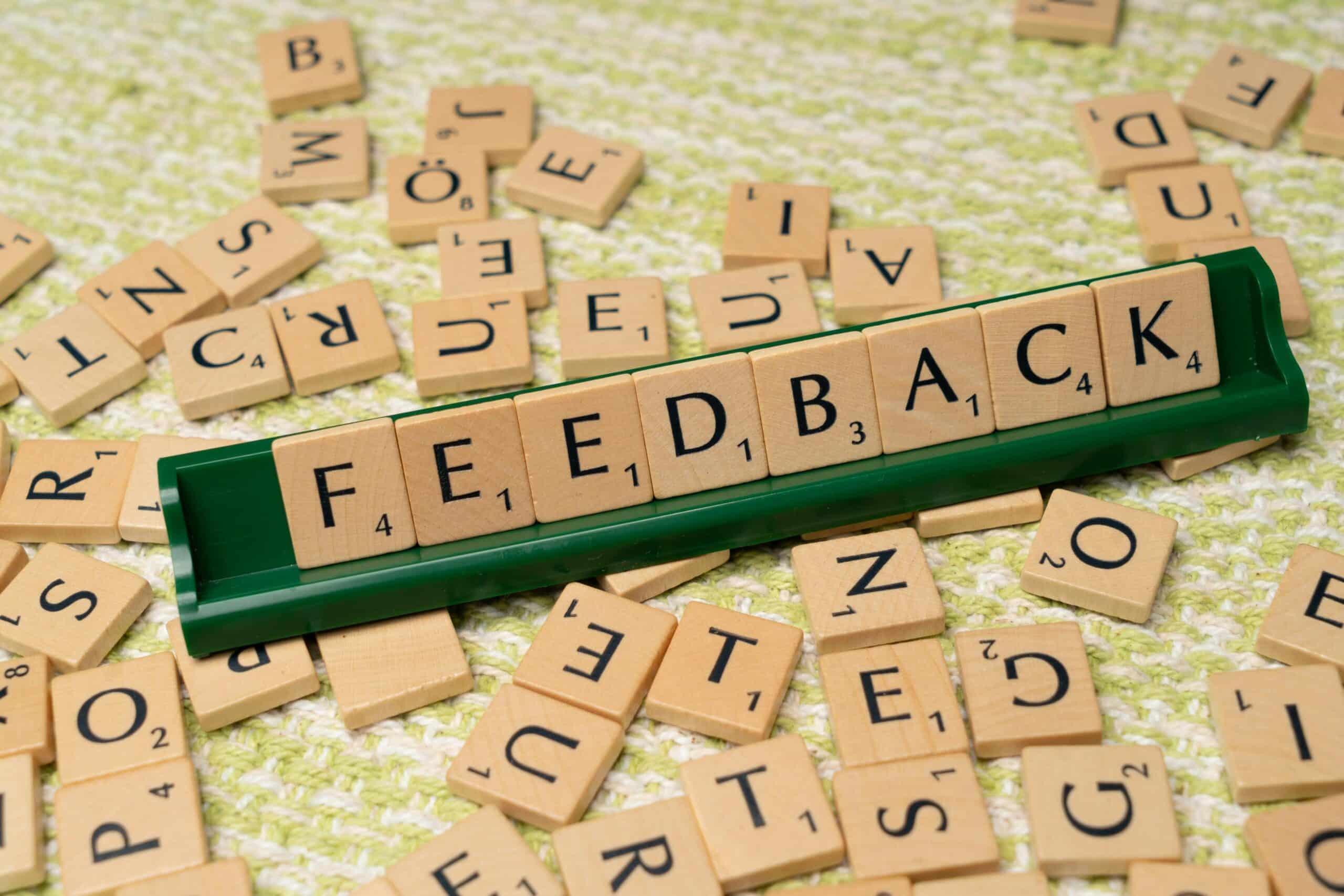
Reframe Failure as Feedback
Mentally resilient people have a radically different relationship with failure. Instead of viewing setbacks as reflections of their worth or capability, they see them as data points—valuable information about what works and what doesn’t.
This cognitive reframing isn’t about toxic positivity or denying disappointment. It’s about separating the emotional experience from the analytical learning opportunity. Allow yourself to feel frustrated or disappointed, then deliberately shift into curiosity: What can this teach me? What would I do differently next time? How does this failure bring me closer to eventual success?
Build Your Mental Endurance Through Deliberate Practice
Just as physical endurance requires progressive overload, mental toughness develops through gradually increasing psychological demands. Create a structured approach to challenging yourself mentally, whether through meditation practice, journaling exercises, or goal-setting frameworks that push your boundaries.
Meditation, particularly mindfulness practices, has been scientifically validated as one of the most effective tools for building mental resilience. It trains your attention, improves emotional regulation, and creates psychological distance between you and your thoughts—a critical skill for maintaining composure under pressure.
🎯 The Power of Purpose: Connecting Actions to Deeper Meaning
Research consistently shows that people with a strong sense of purpose demonstrate significantly higher levels of resilience. When challenges arise, those connected to a deeper “why” find reserves of strength that purely external motivations can’t provide.
Take time to clarify what truly matters to you. What impact do you want to make? What values guide your decisions? How do your current goals connect to your larger life vision? These aren’t merely philosophical questions—they’re practical tools that fuel persistence when motivation wanes.
Write down your core purpose and refer to it regularly, especially during difficult times. This practice creates psychological anchoring, reminding you that temporary discomfort serves longer-term significance. Viktor Frankl’s experiences in concentration camps taught humanity that those who maintain meaning can endure almost anything.
Creating Resilience Through Daily Habits and Routines
Mental toughness isn’t built in occasional heroic moments—it’s forged in daily disciplines. The habits you practice when stakes are low determine your capacity when pressure is high. Establishing consistent routines creates psychological stability and builds trust with yourself.
Morning Rituals That Set the Tone
How you begin your day significantly influences your mental state throughout it. Rather than immediately checking phones or emails, consider implementing a morning routine that centers you: physical movement, meditation, journaling, or reviewing your goals and intentions.
These practices aren’t about productivity hacking—they’re about establishing agency. By starting your day with intentional choices rather than reactive responses, you reinforce the neural pattern that you control your experience rather than being controlled by circumstances.
Physical Fitness as Mental Training
The connection between physical and mental resilience cannot be overstated. Regular exercise doesn’t just improve your body—it fundamentally transforms your psychology. When you push through physical discomfort during workouts, you’re simultaneously training mental perseverance.
Exercise also regulates stress hormones, improves sleep quality, enhances cognitive function, and boosts mood through endorphin release. These aren’t separate benefits from mental toughness—they’re integral components of it. A well-rested, physically capable person with balanced neurochemistry simply has more psychological resources available.
🛡️ Building Your Support System and Environment
Contrary to the lone-wolf mythology often associated with mental toughness, resilience frequently depends on strong social connections. Humans are fundamentally social creatures, and isolation typically weakens rather than strengthens psychological fortitude.
Cultivate relationships with people who challenge you to grow while supporting you through difficulties. This doesn’t mean surrounding yourself with yes-people who never question you, nor does it mean tolerating relationships that drain your energy. Seek individuals who hold high standards while offering genuine encouragement.
Your environment also matters tremendously. Design your physical and digital spaces to support resilience rather than undermine it. Minimize distractions, create systems that make positive behaviors easier, and eliminate unnecessary decision fatigue through thoughtful organization.
The Art of Self-Compassion in Building Toughness
Perhaps the most misunderstood aspect of mental toughness is the role of self-compassion. Many people believe that being hard on themselves creates discipline, but research reveals the opposite: self-criticism typically leads to avoidance, anxiety, and reduced performance.
Self-compassion—treating yourself with the same kindness you’d offer a struggling friend—actually increases resilience. It allows you to acknowledge difficulties without being consumed by them, learn from mistakes without shame spirals, and maintain perspective during setbacks.
This doesn’t mean lowering standards or avoiding accountability. It means separating your inherent worth from your temporary performance. You can hold yourself to high expectations while recognizing that struggling is part of growth, not evidence of inadequacy.
⚡ Developing Stress Tolerance and Emotional Regulation
Mental toughness ultimately comes down to how effectively you manage your internal state under external pressure. This requires developing sophisticated emotional regulation skills that most people never formally learn.
The STOP Technique for Emotional Management
When overwhelmed by stress or strong emotions, practice this simple framework: Stop what you’re doing. Take a breath (or several deep breaths). Observe what you’re experiencing physically and emotionally without judgment. Proceed intentionally with your chosen response.
This creates crucial space between stimulus and response—what Viktor Frankl called humanity’s greatest freedom. In that space lies your power to choose your reaction rather than being controlled by immediate impulses or emotions.
Building Stress Inoculation
Similar to vaccines that introduce small amounts of pathogens to build immunity, stress inoculation involves controlled exposure to challenges that build psychological resistance. Athletes use visualization of high-pressure scenarios. Public speakers practice in front of small audiences before large ones. Emergency responders train in simulated crises.
Identify the specific pressures you want to handle better, then create progressive exposure plans. If public speaking terrifies you, start by speaking up in small meetings, then present to larger groups, gradually building to higher-stakes situations. Each successful navigation strengthens your belief in your capability.
🔄 Maintaining Long-Term Resilience: Avoiding Burnout
True mental toughness includes knowing when to rest, recover, and reset. The glorification of relentless hustle often leads to burnout—the antithesis of sustainable resilience. Elite performers understand that recovery is when adaptation actually occurs.
Build deliberate recovery practices into your routine: adequate sleep, regular breaks, sabbaticals from intense work, activities that genuinely restore you rather than just distract. This isn’t weakness—it’s strategic performance optimization that ensures you can maintain high output over decades rather than months.
Monitor yourself for signs of chronic stress: persistent fatigue, cynicism, reduced performance despite effort, physical symptoms, emotional volatility. These aren’t character flaws—they’re signals that your current approach is unsustainable and requires adjustment.
Transforming Adversity Into Advantage
The ultimate expression of mental toughness isn’t merely surviving difficulties—it’s using them as catalysts for growth. Post-traumatic growth research shows that people often emerge from challenges with greater strength, deeper relationships, enhanced appreciation for life, and clearer priorities than before.
This doesn’t happen automatically. It requires intentional reflection, meaning-making, and integration of difficult experiences. Journaling about challenges, discussing them with trusted others, and identifying specific lessons learned helps transform adversity from something that happened to you into something that strengthened you.
Every obstacle you overcome becomes evidence in your personal database that you can handle hard things. This accumulated evidence is what separates those who crumble under pressure from those who thrive despite it. You’re not building abstract mental toughness—you’re building a specific, evidence-based belief in your capability.

🌟 Your Journey Starts Now
Building unstoppable mental toughness and resilience isn’t a destination—it’s a lifelong practice. There’s no graduation point where you’ve “arrived” and no longer need to work on your mindset. Even the most mentally tough individuals continue practicing these principles because they understand that maintenance matters.
Start where you are with what you have. You don’t need perfect conditions, unlimited time, or ideal circumstances. Choose one strategy from this guide and implement it today. Build on that foundation incrementally. Small, consistent actions compound into remarkable transformations over time.
Remember that setbacks are inevitable and don’t indicate failure in your resilience-building journey—they’re opportunities to practice the very skills you’re developing. Each time you choose courage over comfort, persistence over quitting, or growth over safety, you’re literally rewiring your brain for greater mental strength.
The world needs your unique contributions, and you’ll need mental toughness to bring them forward. Your goals, dreams, and potential are worth the effort required to forge an unbreakable mindset. The strength you seek already exists within you—these practices simply help you access, develop, and consistently express it.
Your inner strength is waiting to be unleashed. The only question is: will you commit to the journey of becoming mentally unstoppable? The answer begins with your next choice, your next action, your next moment of courage. Start building your resilience today, and watch how it transforms not just your performance, but your entire life experience. 💪

Toni Santos is a visual storyteller and sartorial artisan whose work revives the forgotten threads of historical fashion. With a deep fascination for garments lost to time, Toni weaves together art, memory, and material culture to illuminate the styles, symbols, and silent codes once stitched into humanity’s past.
His creative journey is rooted in a passion for clothing as narrative — from ceremonial robes of vanished empires to the subtle embroidery of medieval outcasts, from whispered meanings in Victorian accessories to the ritual adornments of ancient rites. Each piece Toni brings to life is more than aesthetic; it’s an echo of identity, power, belief, and transformation across centuries.
With a background in visual design and handcrafted techniques, Toni blends historical research with creative interpretation. His work reimagines the overlooked: the feathered cloaks, perfumed gloves, symbolic fastenings, and forbidden textiles that once defined entire cultures — now reborn as visual artifacts that speak across time.
As the visionary behind Vizovex, Toni shares stories, artworks, and curated collections that reconnect audiences with the deeper meaning of what we wear — and what clothing reveals when it is finally seen not just as fashion, but as forgotten language.
His work is a tribute to:
The poetry of garments lost in history’s folds
The cultural codes woven into ancient textiles
The beauty of attire as identity, memory, and myth
Whether you’re a fashion historian, a designer seeking timeless inspiration, or simply drawn to the mystery of what people once wore and why, Toni invites you to explore a world where forgotten fashions are revived — one stitch, one silhouette, one story at a time.